
Marine Paints
Advanced Protection for Marine and Offshore Structures
Introduction
Marine environments are among the harshest conditions for any material. Constant exposure to moisture, salt, ultraviolet radiation, and mechanical stress rapidly degrades metals, wood, and even concrete. In such demanding conditions, ordinary industrial coatings are simply not enough. This is why marine paints play a critical role in the maritime and offshore industries. These specialized coatings are engineered to protect vessels, platforms, and coastal structures from corrosion, fouling, and long-term environmental damage.
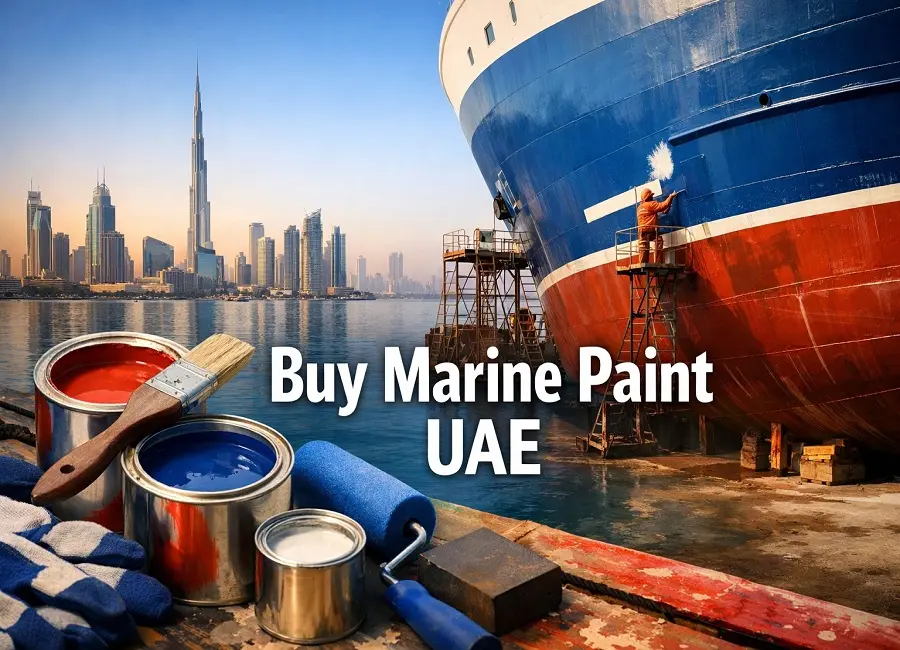
Marine paints are designed specifically for use in saltwater and high-humidity environments. Their formulation differs significantly from conventional paints, offering superior resistance to seawater, UV rays, and chemical exposure. They are widely used on ships, boats, offshore oil and gas platforms, ports, piers, and any structure that operates in or near marine conditions.

marine paints
Protection Against Corrosion
One of the most serious threats in marine environments is corrosion. Saltwater accelerates oxidation, causing steel and other metals to deteriorate at a rapid pace. High-quality marine paints create a durable barrier between the surface and the surrounding environment, preventing moisture and oxygen from reaching the substrate.
This protection dramatically extends the service life of marine assets and reduces the frequency of costly repairs. For vessels, offshore platforms, and port infrastructure, corrosion control is not only a matter of durability but also safety and operational reliability.
Anti-Fouling Performance
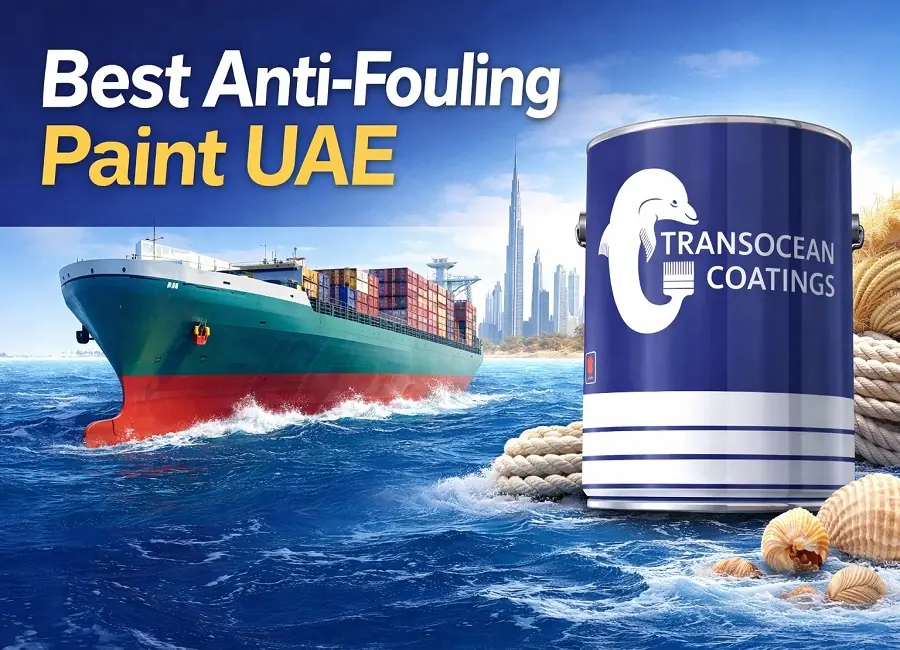
Another major challenge in marine environments is biological fouling. Algae, barnacles, and other organisms attach themselves to submerged surfaces, especially ship hulls. This buildup increases drag, reduces vessel speed, and raises fuel consumption.
Anti-fouling marine paints are specifically formulated to prevent the growth of these organisms. By keeping hulls clean, these coatings improve hydrodynamic performance and significantly lower fuel costs over time. Even small improvements in hull efficiency can lead to substantial savings across the operational life of a vessel.
Types of Marine Paints
Marine paints are available in several specialized categories, each serving a distinct role within a complete coating system:
- Anti-Corrosion Paints – Protect metal surfaces from rust and chemical attack.
- Anti-Fouling Paints – Prevent biological growth on submerged areas.
- Marine Epoxy Paints – Commonly used as primers and intermediate layers due to excellent adhesion and chemical resistance.
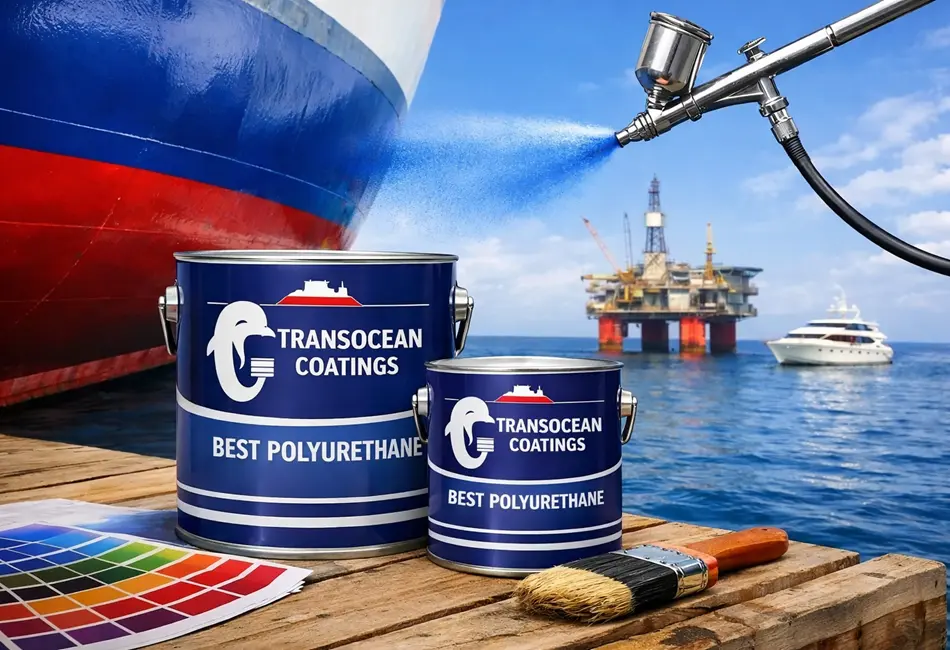
- Polyurethane Marine Paints – Often applied as topcoats, providing UV stability, color retention, and a smooth, durable finish.
- Protective Marine Coatings – Designed for extreme offshore and industrial environments.
Each type is engineered to perform under specific conditions, and selecting the correct combination is essential for long-term performance.
The Marine Coating System
A complete marine coating system usually consists of multiple layers. First, the surface must be properly prepared through cleaning, blasting, or sanding. Then a primer is applied to ensure strong adhesion. This is followed by intermediate protective layers, and finally a topcoat that provides both protection and aesthetic appeal.
Each layer plays a vital role. Any weakness in surface preparation or application can compromise the performance of the entire system. For this reason, marine coating projects require careful planning, technical knowledge, and precise execution.
Economic Benefits
The economic impact of using the right marine paints is significant. Properly coated structures require less maintenance, experience fewer failures, and remain operational for longer periods. In shipping, even a small reduction in hull resistance can translate into substantial fuel savings over the lifetime of a vessel.
For offshore platforms and port infrastructure, effective coatings reduce downtime and extend inspection intervals, improving overall project profitability. Over time, the initial investment in high-quality marine paints is easily offset by lower operational and maintenance costs.
Environmental Considerations
Modern marine paints also reflect growing environmental awareness. Traditional anti-fouling systems relied heavily on toxic compounds, raising concerns about marine ecosystems. Today, advanced formulations focus on controlled-release technologies and environmentally responsible biocides.
Some newer systems even use non-toxic, foul-release surfaces that prevent organism attachment through physical properties rather than chemical action. These innovations help balance performance with environmental protection.
Choosing the Right Marine Paint
Selecting the right marine paint is not a simple decision. It depends on factors such as the type of structure, operating conditions, exposure level, water temperature, and maintenance schedule. A vessel operating in tropical waters faces different challenges than one in cold climates.
Similarly, a permanently submerged structure requires a different system than a component exposed only to sea spray. Engineering expertise and careful planning are essential to ensure optimal performance.
Conclusion
In today’s marine and offshore industries, durability, efficiency, and cost control are more important than ever. Marine paints provide a proven and indispensable solution to these challenges. They protect valuable assets, enhance operational performance, and reduce long-term expenses.
Whether applied to a commercial ship, a harbor installation, or an offshore platform, marine coatings form the first line of defense against one of the most aggressive environments on Earth. For any project exposed to marine conditions, investing in the right marine paint system is not merely a technical choice—it is a strategic decision that directly impacts safety, performance, and profitability.