

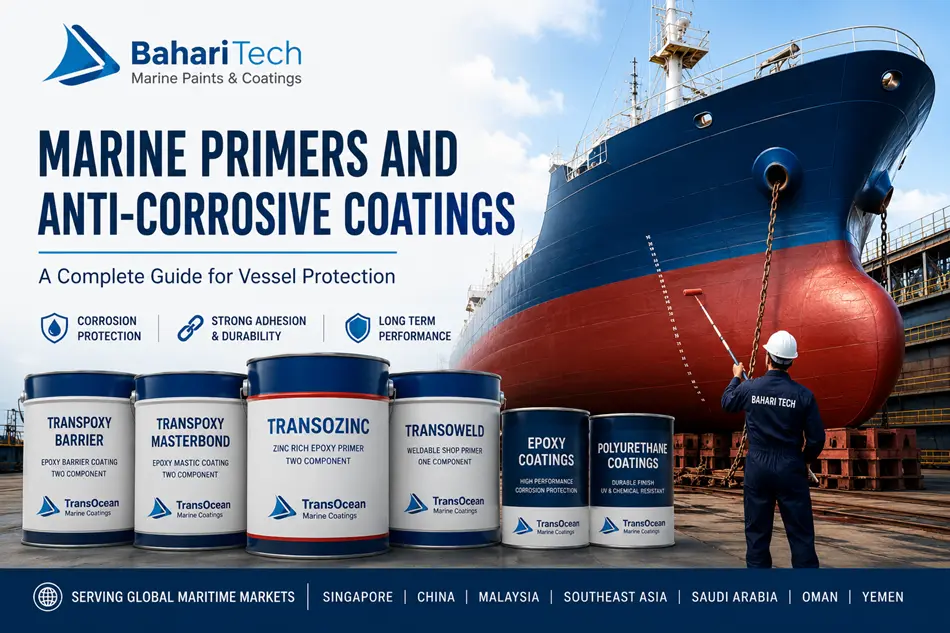
Marine Primers and Anti-Corrosive Coatings: A Complete Guide for Vessel Protection
Corrosion is one of the biggest threats to ships, offshore structures, and marine equipment. Continuous exposure to seawater, humidity, salt, and harsh weather conditions can quickly deteriorate steel surfaces if proper protection is not applied.
To combat these challenges, marine coating systems rely on primers and anti-corrosive coatings that form the foundation of long-term vessel protection. These coatings not only prevent corrosion but also improve durability, reduce maintenance costs, and extend the service life of marine assets.
For ship owners, shipyards, and offshore operators, selecting the right primer and protective coating system is a critical investment in operational reliability and asset preservation.
What Are Marine Primers?
Marine primers are the first layer applied directly onto prepared steel surfaces.
Their primary purpose is to:
- Improve coating adhesion
- Prevent corrosion
- Seal the substrate
- Create a foundation for subsequent coating layers
Without a high-quality primer, even the most advanced marine coating system can fail prematurely.
Marine primers are widely used on:
- Ship hulls
- Ballast tanks
- Cargo holds
- Deck structures
- Offshore platforms
- Port facilities
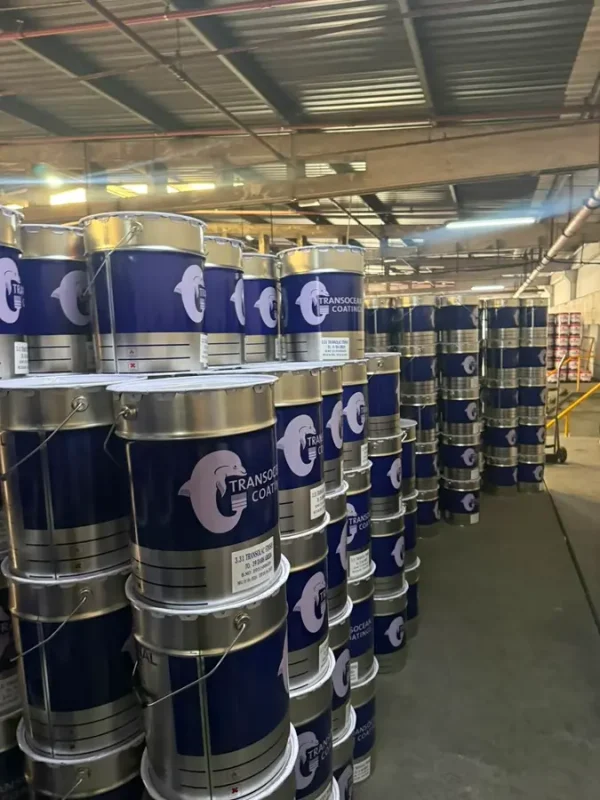
Marine Primers and Anti-Corrosive Coatings
Why Are Primers Important in Marine Environments?
Marine environments are extremely aggressive due to the constant presence of moisture and salt.
A properly selected primer provides:
Enhanced Adhesion
Primers create a strong bond between the steel substrate and subsequent coating layers.
Corrosion Resistance
They prevent moisture and oxygen from reaching the steel surface.
Improved Durability
A quality primer increases the overall lifespan of the coating system.
Reduced Maintenance Costs
Long-lasting coating systems reduce repair frequency and drydock expenses.
Types of Marine Primers
Epoxy Primers
Epoxy primers are among the most widely used marine primers due to their excellent adhesion and corrosion resistance.
Advantages include:
- High durability
- Chemical resistance
- Strong adhesion
- Long service life
Applications:
- Ballast tanks
- Cargo holds
- Underwater hull areas
- Offshore structures
Zinc-Rich Primers
Zinc-rich primers provide cathodic protection.
Even if the coating becomes damaged, zinc particles continue protecting the exposed steel surface.
Benefits include:
- Superior corrosion resistance
- Long-term steel protection
- Excellent performance in aggressive environments
Applications:
- New shipbuilding projects
- Offshore installations
- Heavy industrial structures
Shop Primers
Shop primers provide temporary corrosion protection during fabrication and construction stages.
These coatings are commonly applied in shipyards before steel components are assembled.
Understanding Anti-Corrosive Coatings
Anti-corrosive coatings are specialized protective systems designed to prevent steel deterioration caused by marine exposure.
These coatings act as barriers that block:
- Water
- Oxygen
- Salt
- Chemicals
- Contaminants
Modern anti-corrosive coating systems are engineered to withstand years of exposure in demanding marine environments.
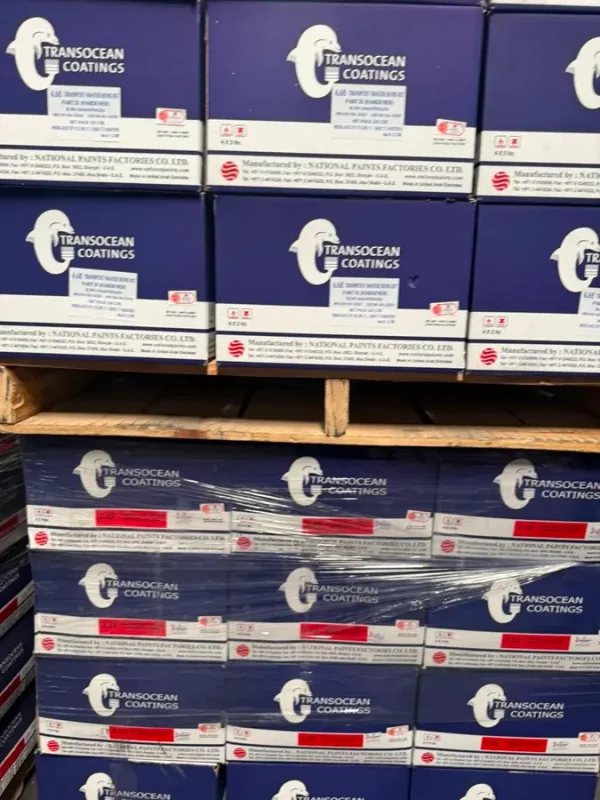
Marine Primers and Anti-Corrosive Coatings
Common Types of Anti-Corrosive Marine Coatings
Epoxy Coatings
Epoxy coatings remain the industry standard for corrosion protection.
Key benefits include:
- Outstanding corrosion resistance
- Excellent adhesion
- Chemical resistance
- Abrasion resistance
Surface-Tolerant Epoxy Mastics
These coatings are designed for maintenance situations where perfect surface preparation may not be possible.
Advantages:
- Excellent adhesion to aged surfaces
- Long-term protection
- Reduced maintenance downtime
Abrasion Resistant Coatings
High-wear areas such as cargo holds and decks require additional protection against impact and abrasion.
These coatings provide:
- Mechanical durability
- Impact resistance
- Extended service life
How Marine Coating Systems Work
A typical anti-corrosion coating system consists of multiple layers:
| Layer | Function |
|---|---|
| Primer | Adhesion and initial corrosion protection |
| Intermediate Coat | Barrier protection |
| Build Coat | Increased durability |
| Topcoat | UV and weather resistance |
Each layer contributes to the overall performance of the system.
Selecting the Right Marine Coating System
Choosing the correct coating system depends on several factors.
Vessel Type
Different vessel categories require different protection strategies.
Operating Environment
Tropical regions such as Singapore, Malaysia, Indonesia, and other Southeast Asian markets often expose vessels to high humidity and aggressive fouling conditions.
Maintenance Interval
Longer drydock intervals require more advanced coating technologies.
Regulatory Compliance
Marine coatings must meet international standards regarding safety and environmental performance.
Marine Coatings for Southeast Asia and Middle Eastern Markets
Marine assets operating in Singapore, China, Malaysia, Indonesia, Thailand, Vietnam, Saudi Arabia, Oman, Yemen, and other regional maritime hubs face unique environmental challenges.
High temperatures, elevated humidity levels, heavy vessel traffic, and salt-rich marine environments increase the need for advanced corrosion protection systems.
Bahari Tech provides marine coating solutions designed to support ship owners, shipyards, offshore operators, and marine contractors across these important maritime markets.
Our coating solutions help customers:
- Reduce corrosion-related maintenance costs
- Improve vessel reliability
- Extend asset lifespan
- Enhance operational efficiency
- Meet international coating standards
Benefits of High-Performance Marine Coatings
Investing in quality marine coatings provides numerous advantages:
- Extended vessel lifespan
- Reduced corrosion damage
- Lower maintenance costs
- Improved fuel efficiency
- Longer drydock intervals
- Better asset value
- Increased operational reliability
Common Applications of Marine Primers and Anti-Corrosive Coatings
Marine primers and anti-corrosion coatings are used throughout the maritime industry to protect valuable assets from environmental deterioration.
Commercial Vessels
Commercial ships operate continuously in harsh marine environments and require reliable coating systems to protect hulls, decks, ballast tanks, and cargo holds.
Offshore Platforms
Offshore oil and gas structures are constantly exposed to saltwater, humidity, and extreme weather conditions. Heavy-duty anti-corrosive coatings are essential for maintaining structural integrity and reducing maintenance requirements.
Port Infrastructure
Marine coatings are widely used on:
- Steel piers
- Loading terminals
- Cranes
- Storage facilities
- Marine bridges
These structures require long-term protection against corrosion caused by seawater and atmospheric exposure.
Industrial Marine Facilities
Shipyards, marine terminals, and industrial coastal facilities depend on protective coatings to extend equipment lifespan and improve operational reliability.
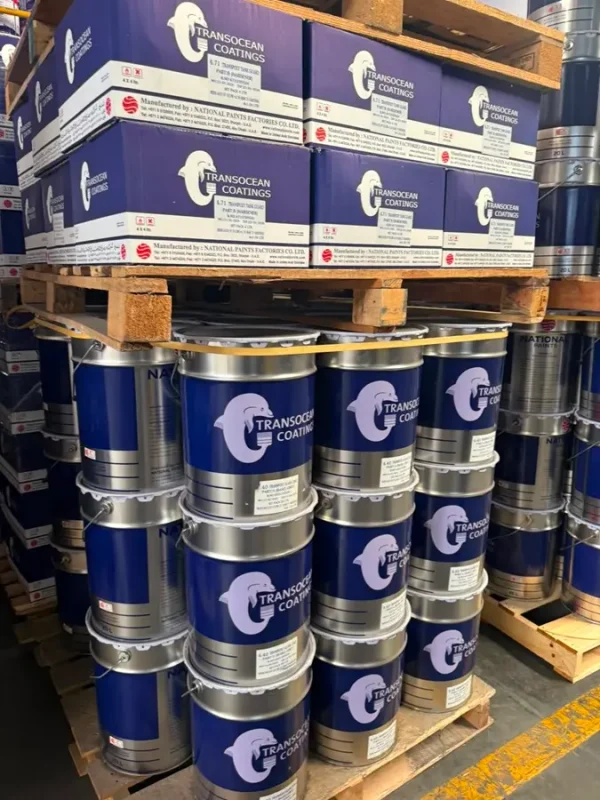
Marine Primers and Anti-Corrosive Coatings
Challenges of Corrosion Protection in Tropical Marine Environments
Ships and offshore assets operating in tropical regions face unique environmental challenges.
Countries such as Singapore, Malaysia, Indonesia, Thailand, Vietnam, and the Philippines experience:
- High humidity
- Elevated temperatures
- Intense UV exposure
- Rapid marine growth
- High salinity levels
These factors accelerate corrosion and increase maintenance requirements.
As a result, marine operators in Southeast Asia often rely on advanced epoxy coatings, zinc-rich primers, and antifouling systems to maintain vessel performance and asset protection.
Marine Coating Requirements in the Middle East
The maritime sectors of Saudi Arabia, Oman, Yemen, and the Gulf region operate under demanding environmental conditions.
Key challenges include:
- High temperatures
- Strong UV radiation
- Salt-laden coastal air
- Offshore energy operations
- Heavy industrial activity
Protective coating systems used in these regions must provide superior resistance against corrosion, abrasion, and weathering while maintaining long-term durability.
High-performance epoxy and polyurethane systems are commonly selected for these demanding applications.
Comparing Marine Coating Technologies
| Coating Technology | Main Benefit | Typical Application |
|---|---|---|
| Epoxy Primer | Corrosion protection and adhesion | Hulls, tanks, structures |
| Zinc-Rich Primer | Cathodic protection | Offshore and industrial steel |
| Epoxy Mastic | Maintenance coating | Repair and refurbishment projects |
| Polyurethane Finish | UV and weather resistance | Topsides and superstructures |
| Abrasion Resistant Coating | Mechanical protection | Cargo holds and decks |
| Antifouling Coating | Marine growth prevention | Underwater hull sections |
Understanding these technologies helps ship owners select the most effective protection strategy for their assets.
How High-Performance Coatings Reduce Total Ownership Costs
Many vessel owners focus primarily on the purchase price of coatings. However, the true value of a coating system is measured over its entire service life.
Premium coating systems can deliver:
- Lower maintenance costs
- Fewer repair operations
- Extended drydock intervals
- Reduced steel replacement
- Improved operational uptime
- Longer asset lifespan
In many cases, investing in higher-quality coatings results in substantial long-term savings compared to lower-cost alternatives.
Why Professional Coating Selection Matters
Selecting the wrong coating system can result in:
- Premature coating failure
- Increased corrosion damage
- Higher maintenance expenses
- Reduced operational efficiency
Professional coating selection takes into account:
- Vessel type
- Operating environment
- Cargo characteristics
- Maintenance schedules
- Regulatory requirements
This ensures optimal protection and maximum return on investment.
Future Trends in Marine Protective Coatings
The marine coating industry continues to evolve through technological innovation.
Future developments are expected to focus on:
- Environmentally friendly formulations
- Low-VOC coating technologies
- Enhanced corrosion resistance
- Longer maintenance intervals
- Smart coating monitoring systems
- Advanced antifouling solutions
These innovations are helping ship owners achieve better performance while supporting sustainability goals and international environmental regulations.
Bahari Tech Marine Coating Solutions Across International Maritime Markets
Bahari Tech supplies high-performance marine paints, anti-corrosion coatings, epoxy coatings, polyurethane coatings, antifouling systems, and industrial protective solutions to customers across major maritime and offshore markets worldwide.
Our products and technical solutions support ship owners, shipyards, offshore operators, marine contractors, and industrial facilities in key maritime regions including Singapore, China, Malaysia, Indonesia, Thailand, Vietnam, the Philippines, Saudi Arabia, Oman, Yemen, the United Arab Emirates, and other strategic shipping hubs throughout Southeast Asia and the Middle East.
These regions represent some of the world’s busiest commercial shipping routes, offshore energy sectors, and marine infrastructure projects. Operating in tropical climates, high-humidity environments, and salt-rich coastal conditions requires advanced marine coating systems capable of delivering long-term protection against corrosion, fouling, abrasion, and environmental degradation.
Bahari Tech provides coating solutions for:
- Commercial vessels
- Cargo ships
- Tankers
- Offshore platforms
- Ballast tanks
- Cargo holds
- Port infrastructure
- Marine terminals
- Industrial steel structures
- Offshore energy facilities
Whether your operations are located in Singapore, Shanghai, Kuala Lumpur, Jakarta, Bangkok, Ho Chi Minh City, Manila, Jeddah, Muscat, Aden, Dubai, or other international maritime centers, Bahari Tech can provide reliable coating solutions designed to meet demanding marine and industrial requirements.
Our commitment to quality, technical expertise, and long-term asset protection helps customers reduce maintenance costs, improve operational efficiency, extend asset lifespan, and maintain compliance with international marine coating standards.
Contact Bahari Tech today to learn more about our marine coating products and discover how we support customers throughout Southeast Asia, China, the Gulf region, the Middle East, and global maritime markets.
Looking for high-quality marine paints, anti-corrosion coatings,
epoxy systems, polyurethane coatings, or antifouling solutions
for your vessel, offshore project, or industrial facility?
Bahari Tech supplies professional marine coating products
to customers across Singapore, China, Malaysia, Southeast Asia,
Saudi Arabia, Oman, Yemen, the UAE,
and other international maritime markets.
Contact Bahari Tech today to request a quotation,
check product availability, discuss export options,
or receive expert technical support for your next marine coating project.
Frequently Asked Questions
What is the difference between a marine primer and a topcoat?
A marine primer is applied directly to the prepared surface to improve adhesion and provide corrosion protection, while a topcoat serves as the final protective layer that offers UV resistance, weather protection, and an attractive finish.
Which coating is best for ballast tanks?
High-performance epoxy coatings are commonly used for ballast tanks because they provide excellent resistance to seawater, moisture, and corrosion.
How long do marine coating systems typically last?
The lifespan depends on operating conditions, coating quality, and maintenance practices. Premium marine coating systems can provide protection for several years before major maintenance is required.
Why are epoxy coatings widely used in the marine industry?
Epoxy coatings offer outstanding adhesion, corrosion resistance, chemical resistance, and durability, making them one of the most trusted solutions for marine protection.
Are marine coatings suitable for offshore platforms?
Yes. Marine coatings are widely used on offshore oil and gas platforms, marine terminals, and coastal industrial facilities to protect steel structures from corrosion and environmental damage.
What factors should be considered when selecting a marine coating system?
Important factors include vessel type, operating environment, maintenance intervals, cargo characteristics, regulatory requirements, and expected service life.
Do marine coatings improve fuel efficiency?
Yes. Properly maintained marine coatings and antifouling systems help keep hull surfaces smooth, reducing drag and improving fuel efficiency.
Can marine coatings be used in tropical climates?
Absolutely. High-performance marine coatings are specifically designed to perform in challenging environments such as Singapore, Malaysia, Indonesia, Thailand, Vietnam, Saudi Arabia, Oman, and other regions with high humidity and elevated temperatures.
How often should vessels be inspected for coating damage?
Regular inspections are recommended throughout the vessel’s operational life to identify coating defects early and prevent corrosion from spreading.
Where can I buy marine coatings for international projects?
Bahari Tech supplies marine paints, anti-corrosion coatings, epoxy systems, and industrial protective coatings for customers across the UAE, Singapore, China, Malaysia, Southeast Asia, Saudi Arabia, Oman, Yemen, and other international maritime markets.
Marine primers and anti-corrosive coatings form the backbone of modern vessel protection systems. By preventing corrosion, improving durability, and reducing maintenance costs, these coatings play a vital role in the long-term success of ships and offshore structures.
Whether operating in the UAE, Singapore, China, Malaysia, Saudi Arabia, Oman, Yemen, or other major maritime markets, selecting the right marine coating system is essential for ensuring asset protection, operational efficiency, and long-term performance.