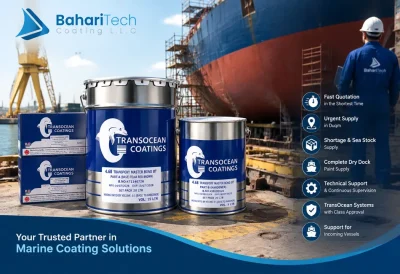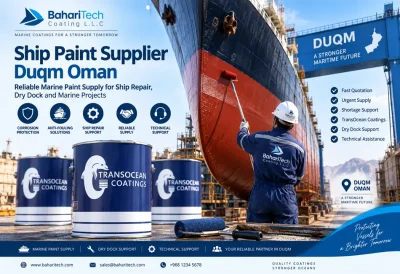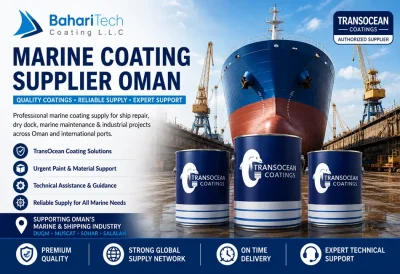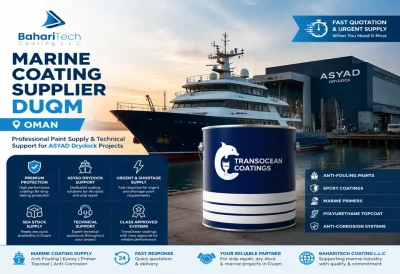


What Are Marine Paints and Why Are They Essential for Ships?
Ships and marine structures operate in some of the harshest environments on Earth. Constant exposure to seawater, humidity, salt, sunlight, mechanical abrasion, and biological organisms creates conditions that can rapidly deteriorate steel surfaces and compromise structural integrity.
To protect vessels from these challenges, marine paints and coatings play a critical role. Marine coatings are not simply decorative finishes; they are highly engineered protective systems designed to prevent corrosion, reduce maintenance costs, improve vessel efficiency, and extend the operational lifespan of ships.
In modern shipping, marine paints have become one of the most important investments in vessel maintenance and asset protection.
What Are Marine Paints?
Marine paints are specialized protective coatings developed specifically for vessels, offshore platforms, port facilities, and other structures operating in marine environments.
Unlike conventional industrial paints, marine coatings are formulated to withstand:
- Continuous contact with seawater
- High salinity levels
- Extreme weather conditions
- UV radiation
- Mechanical impacts and abrasion
- Chemical exposure
- Marine organism growth
A complete marine coating system usually consists of several layers working together to create a protective barrier between the steel substrate and the surrounding environment.
These layers typically include:
- Surface preparation
- Primer coat
- Intermediate protective coats
- Finishing coat
- Antifouling coating (for underwater areas)
Each layer serves a specific purpose and contributes to the overall performance of the coating system.
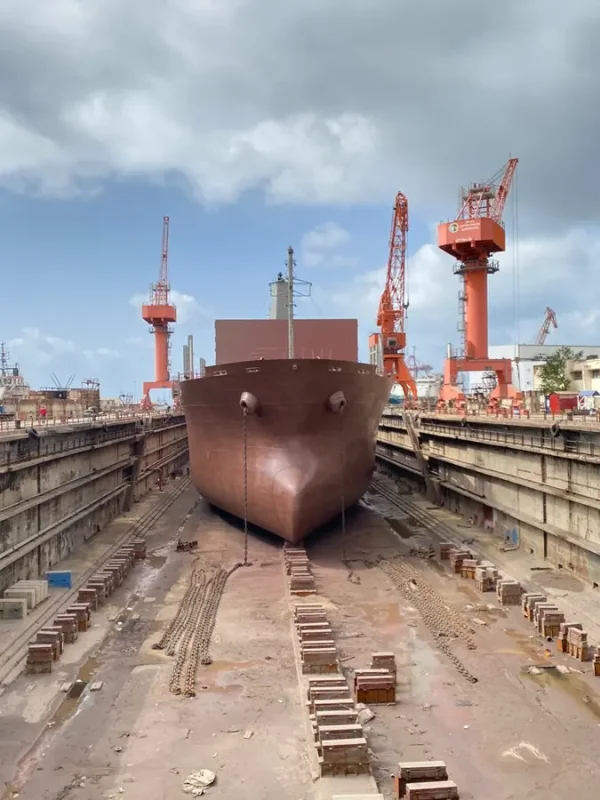
Marine Paints
Why Is Corrosion a Major Problem for Ships?
Corrosion is the natural process by which steel reacts with oxygen and moisture, gradually transforming into rust.
Marine environments accelerate this process because they contain three elements that promote corrosion:
- Water
- Oxygen
- Salt
When these factors combine, corrosion rates increase significantly compared to inland environments.
Without proper protection, corrosion can lead to:
- Structural weakening
- Increased maintenance costs
- Reduced vessel lifespan
- Safety risks
- Operational downtime
- Higher fuel consumption
For shipping companies, corrosion control represents one of the largest maintenance expenses throughout a vessel’s service life.
Types of Corrosion Found in Marine Environments
Uniform Corrosion
This is the most common form of corrosion, where rust develops evenly across exposed steel surfaces.
It is typically caused by prolonged exposure to moisture and oxygen.
Chemical Corrosion
Certain cargoes and industrial materials may create aggressive chemical conditions.
For example, coal cargoes containing sulfur compounds can react with moisture to form sulfuric acid, leading to severe corrosion inside cargo holds and storage areas.
Microbiologically Influenced Corrosion (MIC)
Marine environments can also experience biological corrosion.
Certain microorganisms, such as Sulfate Reducing Bacteria (SRB), produce corrosive compounds that attack steel surfaces.
These bacteria are commonly found in:
- Ballast tanks
- Sediment deposits
- Submerged structures
- Mud accumulations
MIC can create localized corrosion pits that penetrate deeply into steel surfaces.
How Marine Paint Systems Protect Ships
Marine coating systems act as protective barriers that isolate steel from corrosive elements.
A properly designed coating system performs several functions:
Corrosion Protection
The primary function of marine coatings is preventing contact between steel and corrosive agents.
This dramatically slows the corrosion process and extends asset life.
Water Resistance
Marine coatings create a waterproof barrier that prevents moisture penetration.
Chemical Resistance
Many marine coatings are designed to resist oils, fuels, chemicals, and cargo contaminants.
Mechanical Protection
Ships are constantly exposed to impacts, abrasion, cargo handling equipment, and harsh operating conditions.
Protective coatings help reduce surface damage.
UV Protection
Above-water structures are continuously exposed to sunlight.
Specialized topcoats protect underlying layers from UV degradation and color fading.
The Importance of Surface Preparation
Even the highest-quality marine coating can fail if surface preparation is inadequate.
Surface preparation is often considered the most critical step in the coating process.
Common preparation methods include:
Abrasive Blasting
Removes rust, mill scale, and contaminants while creating a suitable profile for coating adhesion.
High-Pressure Water Jetting
Widely used during maintenance operations because it effectively cleans surfaces while generating less waste than abrasive blasting.
Mechanical Cleaning
Used when access or operational limitations prevent more extensive preparation methods.
Industry experience consistently shows that better surface preparation results in longer coating life and improved performance.
Marine Paint Categories
Primers
Primers are the first protective layer applied directly to the prepared steel surface.
Their primary functions include:
- Promoting adhesion
- Providing corrosion resistance
- Creating a foundation for subsequent coatings
Epoxy Coatings
Epoxy coatings are among the most widely used marine protective systems.
Advantages include:
- Excellent adhesion
- High chemical resistance
- Outstanding corrosion protection
- Long-term durability
They are commonly used in ballast tanks, cargo holds, decks, and underwater hull areas.
Polyurethane Finishes
Polyurethane coatings provide:
- Superior appearance
- UV resistance
- Color retention
- Weather protection
These coatings are typically used as finishing layers above the waterline.
Abrasion Resistant Coatings
Designed for high-wear areas such as:
- Cargo holds
- Decks
- Exterior hull sections
These coatings withstand mechanical impacts and continuous abrasion.
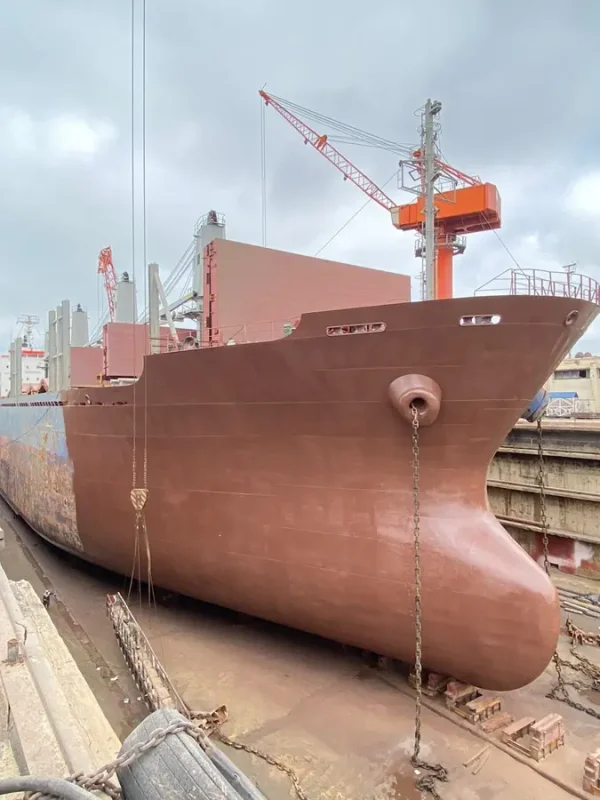
What Are Marine Paints and Why Are They Essential for Ships?
Marine Paints and Fuel Efficiency
One of the often-overlooked benefits of marine coatings is improved fuel efficiency.
A smooth hull surface reduces hydrodynamic drag, allowing vessels to move more efficiently through water.
When marine growth accumulates on the hull, resistance increases significantly.
This leads to:
- Higher fuel consumption
- Increased emissions
- Reduced vessel speed
- Higher operating costs
Modern marine coating systems help maintain smoother surfaces for longer periods, improving overall vessel performance.
Environmental Considerations
The marine industry is increasingly focused on sustainability and environmental compliance.
Modern marine coatings are developed to:
- Reduce volatile organic compound (VOC) emissions
- Improve durability
- Extend maintenance intervals
- Lower environmental impact
Advancements in coating technology continue to improve performance while meeting stricter international regulations.
Comparison of Common Marine Coatings
| Coating Type | Primary Purpose | Key Advantages | Typical Applications |
|---|---|---|---|
| Primer Coatings | Surface preparation and corrosion prevention | Strong adhesion and foundation for other coatings | Hulls, decks, ballast tanks |
| Epoxy Coatings | Heavy-duty corrosion protection | Excellent chemical and abrasion resistance | Cargo holds, ballast tanks, underwater structures |
| Polyurethane Coatings | Weather and UV protection | Color retention and attractive finish | Superstructures, decks, topsides |
| Abrasion Resistant Coatings | Protection against mechanical wear | High impact and abrasion resistance | Cargo holds, working decks |
| Antifouling Coatings | Prevention of marine growth | Improved fuel efficiency and reduced maintenance | Underwater hull surfaces |
Benefits of Using High-Performance Marine Paint Systems
Investing in a professional marine coating system provides significant operational and economic advantages:
- Extended vessel service life
- Reduced corrosion-related repairs
- Lower maintenance costs
- Improved fuel efficiency
- Enhanced vessel appearance
- Compliance with international maritime standards
- Increased asset value
- Reduced drydock frequency
A well-maintained coating system can save ship owners substantial amounts of money over the lifetime of a vessel while improving operational reliability.
How Often Should Marine Coatings Be Reapplied?
The lifespan of a marine coating system depends on several factors including:
- Vessel type
- Trading routes
- Water temperature
- Salinity levels
- Maintenance practices
- Coating quality
As a general guideline:
| Coating Area | Typical Service Life |
|---|---|
| Shop Primers | Temporary protection during construction |
| Epoxy Systems | 5–15 years |
| Polyurethane Finishes | 5–10 years |
| Antifouling Coatings | 18–60 months depending on system type |
Regular inspections are recommended to identify coating damage before corrosion develops.
Marine paints are far more than decorative finishes. They represent one of the most critical protective systems used throughout the maritime industry. By protecting steel structures against corrosion, mechanical damage, and biological fouling, marine coatings contribute directly to vessel safety, efficiency, sustainability, and long-term profitability.
Whether for new construction projects or maintenance applications, selecting the right marine coating system remains a fundamental component of successful vessel management.
Types of Marine Paints
Modern marine coating systems consist of various paint technologies, each designed to address specific operational and environmental challenges.
Epoxy Marine Coatings
Epoxy coatings are among the most widely used marine protective systems. They provide excellent adhesion to steel surfaces and offer outstanding resistance against water penetration, chemicals, and corrosion.
Common applications include:
- Ballast tanks
- Cargo holds
- Underwater hull sections
- Offshore structures
- Deck areas
Because of their durability and long service life, epoxy coatings are considered the backbone of most marine coating systems.
Polyurethane Marine Coatings
Polyurethane coatings are commonly used as finishing coats in marine environments. These coatings offer excellent gloss retention, UV resistance, and weather protection.
Benefits include:
- Superior appearance
- Long-term color stability
- Resistance to sunlight exposure
- Easy cleaning and maintenance
They are typically applied on vessel superstructures and topside areas.
Zinc-Rich Primers
Zinc-rich primers provide cathodic protection to steel substrates. Even if the coating is damaged, zinc particles continue protecting the exposed steel from corrosion.
These coatings are widely used in:
- New shipbuilding projects
- Offshore platforms
- Heavy industrial structures
Abrasion Resistant Coatings
Certain areas of a vessel experience continuous mechanical wear from cargo handling, equipment operation, and crew activities.
Abrasion-resistant coatings are specifically formulated to withstand:
- Impact damage
- Mechanical wear
- Cargo abrasion
- Heavy traffic
These coatings are commonly found in cargo holds, decks, and loading zones.
Antifouling Coatings
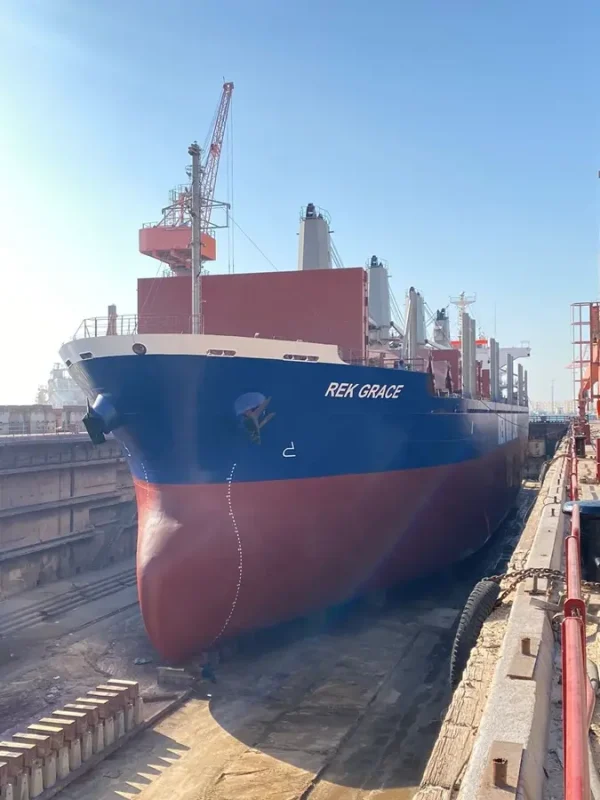
Antifouling coatings are applied below the waterline to prevent marine organisms from attaching to the hull surface.
They help reduce:
- Hull roughness
- Fuel consumption
- Maintenance requirements
- Drydock frequency
Modern antifouling technologies significantly improve vessel efficiency while supporting environmental compliance.
Marine Engineering
How to Choose the Right Marine Paint
Selecting the proper marine coating system depends on several operational factors.
Consider the Operating Environment
Vessels operating in tropical waters often experience faster fouling growth than ships operating in colder climates.
Similarly, offshore structures may require heavier corrosion protection than coastal vessels.
Identify the Protected Area
Different vessel areas require different coating technologies.
| Vessel Area | Recommended Coating Type |
|---|---|
| Ballast Tanks | High Performance Epoxy |
| Cargo Holds | Abrasion Resistant Epoxy |
| Exterior Hull | Anticorrosive + Antifouling System |
| Deck Areas | Epoxy + Polyurethane Finish |
| Superstructures | Polyurethane Finish |
| Offshore Platforms | Heavy Duty Epoxy Systems |
Evaluate Maintenance Intervals
Owners seeking longer drydock intervals should consider advanced antifouling technologies and premium epoxy systems that provide extended service life.
Consider Regulatory Compliance
Modern marine coating systems must comply with international standards relating to environmental protection, corrosion control, and fire safety.
Why High-Quality Marine Coatings Reduce Operational Costs
Many ship owners initially focus on coating purchase costs. However, the true value of a marine coating system lies in its long-term performance.
A premium coating system can provide:
- Reduced steel replacement costs
- Fewer repair operations
- Lower maintenance budgets
- Improved fuel economy
- Extended drydock intervals
- Increased vessel availability
Over the lifespan of a vessel, these savings often exceed the initial coating investment many times over.
Common Causes of Marine Coating Failure
Understanding coating failures helps ship operators improve maintenance strategies.
Poor Surface Preparation
Inadequate cleaning and preparation often lead to premature coating failure.
Incorrect Application
Applying coatings outside specified temperature or humidity limits can negatively affect coating performance.
Mechanical Damage
Impacts, abrasion, and cargo handling operations can compromise protective layers.
UV Degradation
Long-term sunlight exposure may gradually degrade certain coating systems if suitable topcoats are not used.
Chemical Exposure
Aggressive chemicals can attack coatings that are not specifically designed for chemical resistance.
Regular inspections and preventive maintenance are essential to maximize coating lifespan.
The Future of Marine Coatings
The marine coatings industry continues to evolve through innovation and technological advancement.
Future developments are expected to focus on:
- Environmentally friendly formulations
- Reduced VOC emissions
- Longer coating lifespans
- Advanced antifouling technologies
- Improved fuel-saving coatings
- Smart coatings with monitoring capabilities
As sustainability becomes increasingly important within the maritime industry, coating technologies will continue to play a key role in improving operational efficiency and environmental performance.
Related Marine Coating Solutions
For vessel owners seeking advanced corrosion protection and long-term performance, marine coating systems may include:
- Epoxy Primers
- Zinc-Rich Primers
- Surface-Tolerant Epoxy Mastics
- Polyurethane Finishes
- Abrasion Resistant Coatings
- Antifouling Systems
- Ballast Tank Coatings
- Cargo Hold Coatings
Selecting the appropriate combination of these products ensures optimal protection for every area of a vessel.
Contact Bahari Tech
Looking for professional marine coating solutions for commercial vessels, offshore structures, or maintenance projects?
Bahari Tech provides high-performance marine coatings designed to protect assets against corrosion, fouling, abrasion, and harsh marine environments.
Contact our technical team to receive expert guidance on selecting the most suitable coating system for your specific operational requirements.
Marine paints are essential components of modern vessel protection strategies. They safeguard ships against corrosion, environmental exposure, biological fouling, and mechanical damage while improving operational efficiency and reducing maintenance costs.
A properly designed marine coating system, combined with high-quality surface preparation and professional application, can significantly extend the lifespan of marine assets and provide substantial long-term economic benefits.
For ship owners, operators, and maintenance professionals, investing in high-performance marine coatings is not simply a maintenance decision—it is a critical investment in vessel reliability, safety, and operational success.
Marine Coating Solutions for Southeast Asia and the Middle East
As global maritime trade continues to grow, ship owners, offshore operators, and marine contractors require reliable coating solutions that can withstand harsh operating conditions in some of the world’s busiest shipping regions.
Bahari Tech supplies high-performance marine coatings and protective solutions to customers across major maritime markets, including Singapore, China, Malaysia, Indonesia, Thailand, Vietnam, the Philippines, Saudi Arabia, Oman, Yemen, and other strategic shipping and offshore locations throughout Southeast Asia and the Middle East.
These regions are home to some of the world’s most important ports, shipyards, offshore energy facilities, and commercial shipping routes. Vessels operating in tropical climates and high-salinity waters require advanced marine coating systems capable of delivering long-term corrosion protection, fouling resistance, and operational reliability.
Our marine coating solutions are suitable for:
- Commercial vessels
- Cargo ships
- Oil and gas tankers
- Offshore platforms
- Ballast tanks
- Cargo holds
- Marine infrastructure
- Port facilities
- Industrial steel structures
Whether your operations are based in Singapore, Shanghai, Kuala Lumpur, Jakarta, Ho Chi Minh City, Manila, Jeddah, Muscat, or Aden, Bahari Tech can support your marine protection requirements with coating systems designed to meet international maritime standards.
By combining advanced marine coating technologies with technical expertise, Bahari Tech helps vessel owners and marine operators reduce maintenance costs, improve fuel efficiency, extend asset lifespan, and protect valuable marine infrastructure across regional and international markets.
Contact Bahari Tech today to learn more about our marine coating products and discover how we support customers throughout Southeast Asia, China, the Gulf region, and international maritime industries.
Frequently Asked Questions (FAQ)
What is the purpose of marine paint?
Marine paint protects ships and marine structures from corrosion, moisture, saltwater exposure, UV radiation, abrasion, and biological fouling.
Why is corrosion more aggressive in seawater?
Seawater contains dissolved salts that accelerate electrochemical reactions on steel surfaces, causing corrosion to occur much faster than in normal atmospheric conditions.
What is the difference between marine paint and regular paint?
Marine coatings are specifically engineered to withstand harsh marine environments. Standard paints typically lack the corrosion resistance, chemical resistance, and durability required for ship applications.
What is an antifouling coating?
Antifouling coatings prevent the attachment and growth of marine organisms such as algae, slime, and barnacles on underwater hull surfaces.
How do marine coatings reduce fuel consumption?
By keeping the hull surface smooth and free from fouling, marine coatings reduce water resistance and drag, allowing vessels to operate more efficiently and consume less fuel.
Are marine coatings environmentally friendly?
Modern marine coatings are increasingly designed to comply with international environmental regulations by reducing VOC emissions and improving durability.
What is the most commonly used marine coating system?
A typical marine coating system includes a primer, one or more epoxy intermediate coats, and a polyurethane finish coat. Underwater sections usually receive an antifouling coating as the final layer.
Why is surface preparation important before painting?
Proper surface preparation ensures strong coating adhesion and significantly improves the lifespan and performance of the coating system.
Can marine coatings be applied during maintenance operations?
Yes. Modern surface-tolerant epoxy coatings are specifically developed for maintenance and repair situations where ideal surface preparation conditions may not always be achievable.
How can ship owners select the right marine coating system?
The selection depends on vessel type, operating environment, maintenance intervals, cargo characteristics, and performance requirements. Consulting coating specialists is recommended for optimal results.