

Ship Corrosion and Prevention Methods
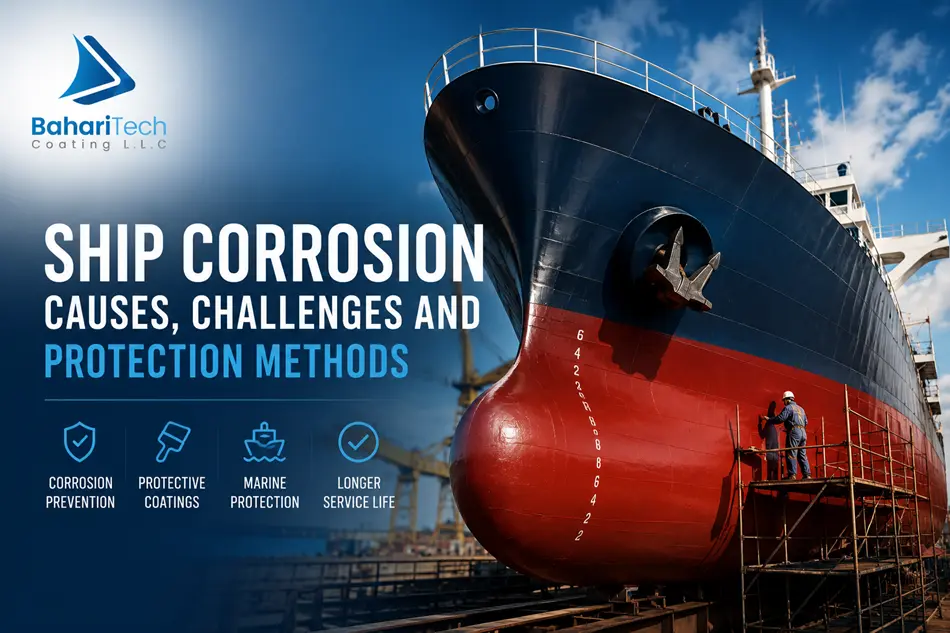
Ship Corrosion: Causes, Challenges and Protection Methods
Corrosion is one of the most significant challenges facing the maritime industry. Every year, ship owners, offshore operators, and marine maintenance companies spend billions of dollars repairing corrosion damage and protecting steel structures from deterioration.
Ships operate in one of the harshest environments on Earth. Continuous exposure to seawater, oxygen, humidity, sunlight, chemicals, and marine organisms creates ideal conditions for corrosion to develop and spread rapidly.
Without proper protection, corrosion can compromise structural integrity, increase maintenance costs, reduce vessel efficiency, and shorten the lifespan of valuable marine assets.
Understanding the causes of ship corrosion and implementing effective protection methods are therefore essential for safe and cost-effective vessel operation.
What Is Ship Corrosion?
Ship corrosion is the gradual deterioration of metal surfaces caused by chemical or electrochemical reactions with the surrounding environment.
Most commercial vessels are primarily constructed from steel. When steel comes into contact with oxygen and moisture, it naturally begins to oxidize and form rust.
This process occurs continuously and can only be slowed or controlled through proper corrosion protection strategies.
In marine environments, corrosion develops much faster than in normal atmospheric conditions because seawater acts as an excellent electrolyte, accelerating electrochemical reactions.
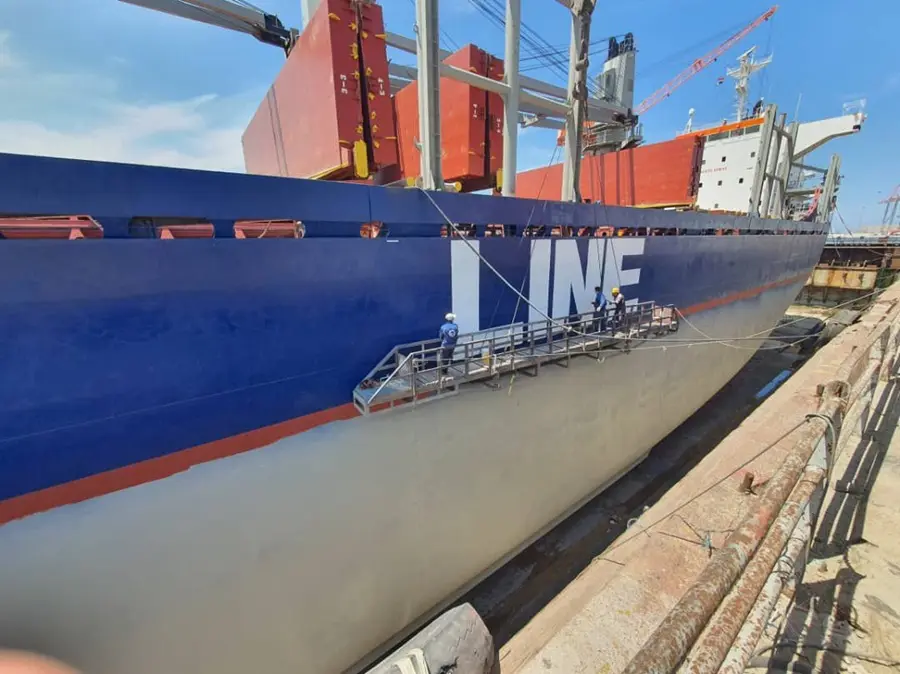
Ship Corrosion
Why Is Corrosion More Severe in Marine Environments?
Marine environments contain several factors that significantly increase corrosion rates.
Saltwater Exposure
Salt dissolved in seawater increases electrical conductivity and accelerates electrochemical corrosion processes.
This is one of the primary reasons ships experience much faster corrosion than structures located inland.
High Humidity Levels
Even areas above the waterline are constantly exposed to moisture-rich air.
Persistent humidity keeps steel surfaces wet for extended periods, promoting corrosion development.
Oxygen Availability
Oxygen is a critical component of the corrosion process.
Marine environments continuously supply oxygen through both water and air, creating ideal conditions for rust formation.
Temperature Variations
Changing temperatures can cause condensation on steel surfaces, further increasing moisture exposure and corrosion risk.
Types of Corrosion Found on Ships
Different forms of corrosion can affect various parts of a vessel.
Uniform Corrosion
Uniform corrosion occurs evenly across a steel surface.
Although it is relatively predictable, it can gradually reduce steel thickness and structural strength if left untreated.
Common locations include:
- Hull plating
- Deck surfaces
- Exterior structures
Pitting Corrosion
Pitting corrosion is a localized form of attack that creates small but deep cavities in steel surfaces.
Although pits may appear insignificant, they can penetrate deeply into the metal and cause serious structural damage.
Common locations include:
- Ballast tanks
- Cargo tanks
- Underwater hull sections
Galvanic Corrosion
Galvanic corrosion occurs when two dissimilar metals come into electrical contact in the presence of an electrolyte such as seawater.
One metal becomes anodic and corrodes more rapidly while the other remains protected.
This type of corrosion is frequently observed around:
- Propeller systems
- Fasteners
- Metal connections
Crevice Corrosion
Crevice corrosion develops in narrow spaces where stagnant water becomes trapped.
Typical locations include:
- Bolted connections
- Gaskets
- Pipe supports
- Welded joints
Microbiologically Influenced Corrosion (MIC)
Certain microorganisms can accelerate corrosion through biological processes.
Sulfate Reducing Bacteria (SRB) are among the most common contributors.
These bacteria often develop in:
- Ballast tanks
- Sediment deposits
- Mud accumulations
- Submerged structures
MIC frequently produces deep crater-shaped corrosion damage that can be difficult to detect during routine inspections.
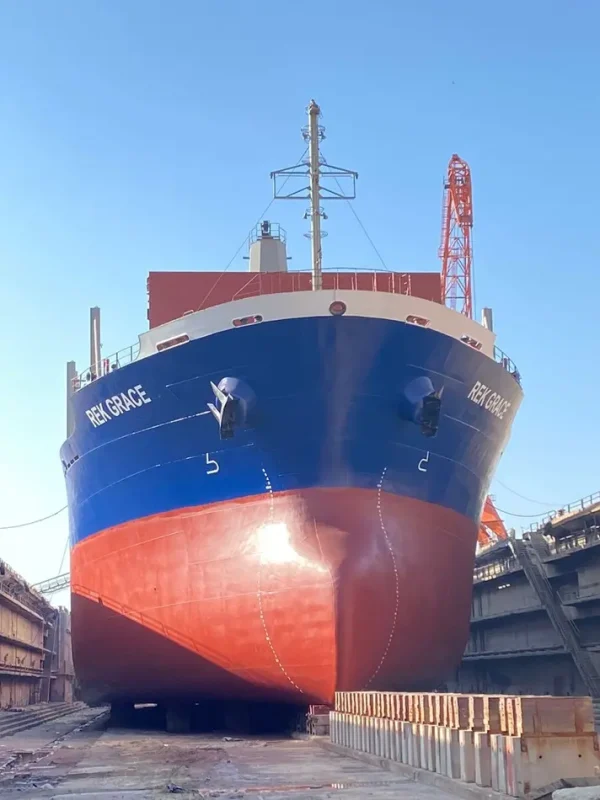
Ship Corrosion and Prevention Methods
Economic Impact of Ship Corrosion
Corrosion represents one of the largest maintenance expenses throughout a vessel’s service life.
The consequences include:
- Increased repair costs
- Higher maintenance budgets
- Unplanned downtime
- Reduced operational efficiency
- Increased drydock requirements
- Premature steel replacement
- Safety risks
For large commercial vessels, corrosion-related maintenance can account for a substantial portion of annual operating expenses.
Areas Most Vulnerable to Corrosion
Certain sections of a vessel experience more severe corrosion than others.
| Ship Area | Corrosion Risk Level |
|---|---|
| Ballast Tanks | Very High |
| Cargo Holds | High |
| Underwater Hull | Very High |
| Deck Areas | High |
| Superstructures | Medium |
| Engine Room Spaces | Medium |
| Offshore Equipment | Very High |
Regular inspection of these critical areas is essential for maintaining vessel safety and reliability.
Effective Methods for Preventing Ship Corrosion
High-Performance Protective Coatings
Protective coatings remain the most widely used corrosion prevention method in the marine industry.
Modern coating systems create a physical barrier between steel and corrosive elements.
Benefits include:
- Long-term protection
- Reduced maintenance costs
- Improved durability
- Enhanced operational performance
Surface Preparation
Successful coating performance begins with proper surface preparation.
Methods commonly used include:
- Abrasive blasting
- High-pressure water jetting
- Mechanical cleaning
Industry experience consistently demonstrates that better surface preparation results in longer coating life.
Cathodic Protection Systems
Cathodic protection reduces corrosion by controlling electrochemical reactions.
Two common approaches include:
Sacrificial Anodes
Zinc or aluminum anodes corrode instead of the protected steel structure.
Impressed Current Systems
Electrical current is supplied to protect the vessel from corrosion.
These systems are commonly used on large commercial vessels and offshore structures.
Regular Inspection Programs
Routine inspections allow operators to identify coating damage before significant corrosion develops.
Inspection programs should include:
- Visual assessments
- Thickness measurements
- Coating condition surveys
- Corrosion mapping
Preventive maintenance is significantly less expensive than major structural repairs.
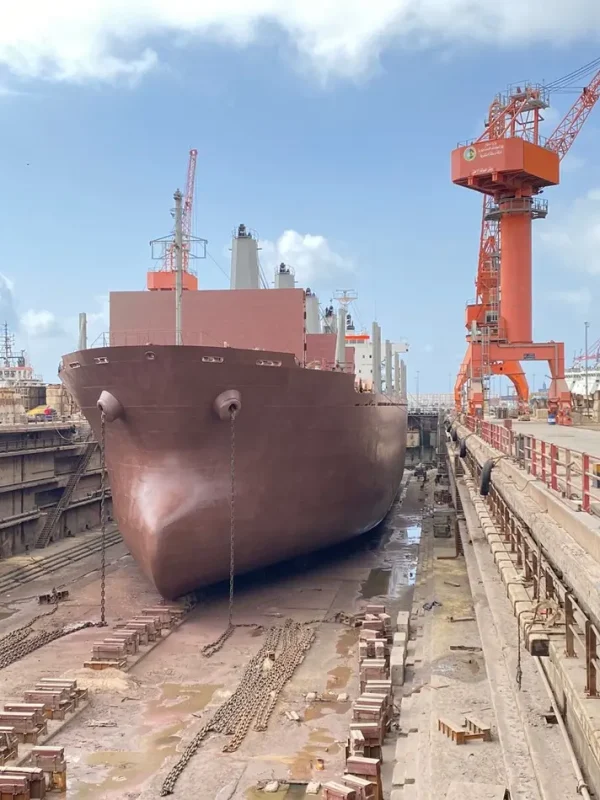
Ship Corrosion and Prevention Methods
The Role of Anti-Corrosion Coatings
Anti-corrosion coatings are specially formulated to resist moisture penetration, chemical attack, and environmental degradation.
Modern anti-corrosion coating systems often include:
| Layer | Function |
|---|---|
| Primer | Adhesion and initial corrosion protection |
| Intermediate Coat | Barrier protection and durability |
| Topcoat | UV and weather resistance |
When properly applied and maintained, these systems can protect steel structures for many years.
Common Causes of Coating Failure
Even high-quality coatings can fail if best practices are not followed.
Common causes include:
Inadequate Surface Preparation
Contaminants, rust, and poor surface profiles reduce coating adhesion.
Improper Application Conditions
Temperature and humidity outside specified limits can negatively affect coating performance.
Mechanical Damage
Impacts, abrasion, and cargo operations can damage protective layers.
Poor Maintenance Practices
Delaying repairs allows corrosion to spread beneath damaged coatings.
Future Trends in Corrosion Protection
The maritime industry continues to invest heavily in advanced corrosion prevention technologies.
Emerging developments include:
- Low-VOC coating systems
- Smart coatings with monitoring capabilities
- Improved epoxy technologies
- Advanced surface-tolerant coatings
- Longer-lasting protective systems
- Sustainable corrosion-control solutions
These innovations aim to reduce maintenance costs while improving environmental performance.
How Corrosion Affects Vessel Performance
Many ship owners view corrosion primarily as a maintenance issue. However, the effects of corrosion extend far beyond surface damage.
As corrosion progresses, steel structures gradually lose thickness and strength. This deterioration can affect both the safety and operational performance of a vessel.
The consequences may include:
- Reduced structural integrity
- Increased repair and maintenance costs
- More frequent drydock visits
- Reduced cargo capacity
- Increased fuel consumption
- Higher operational risks
- Shortened vessel lifespan
For commercial vessels operating in competitive markets, even small increases in maintenance expenses can have a significant impact on profitability.
Corrosion Challenges in Ballast Tanks
Ballast tanks are among the most challenging environments for corrosion protection.
These tanks are continuously exposed to alternating wet and dry conditions, oxygen-rich seawater, and sediment accumulation.
Several factors contribute to accelerated corrosion inside ballast tanks:
- Saltwater exposure
- Condensation
- Poor ventilation
- Sediment deposits
- Microbial activity
Because ballast tanks are difficult to access and inspect, corrosion damage can remain undetected for extended periods.
This is why international standards place particular emphasis on high-performance coating systems for ballast tank protection.
Corrosion Challenges in Cargo Holds
Cargo holds are another critical area where corrosion protection is essential.
Different cargoes can create highly aggressive environments.
Examples include:
- Coal cargoes containing sulfur compounds
- Fertilizers
- Minerals
- Bulk chemicals
- Salt products
When moisture combines with certain cargo residues, corrosive compounds can form and attack steel surfaces.
Cargo hold coatings must therefore provide both corrosion resistance and mechanical durability.
Comparing Corrosion Protection Methods
| Protection Method | Advantages | Limitations |
|---|---|---|
| Protective Coatings | Cost-effective, long-term protection | Requires proper surface preparation |
| Cathodic Protection | Excellent underwater protection | Requires monitoring and maintenance |
| Corrosion Resistant Alloys | High durability | Expensive installation costs |
| Regular Maintenance Programs | Early detection of problems | Requires ongoing resources |
| Surface Preparation Technologies | Improves coating performance | Additional preparation costs |
The most successful corrosion management strategies typically combine several of these methods rather than relying on a single solution.
Best Practices for Long-Term Corrosion Control
Successful corrosion prevention begins during vessel construction and continues throughout the entire service life of the ship.
Recommended best practices include:
Perform Regular Inspections
Routine inspections help identify coating damage before significant corrosion develops.
Repair Damaged Coatings Quickly
Small coating defects can rapidly develop into major corrosion problems if left untreated.
Maintain Cathodic Protection Systems
Anodes and impressed current systems should be inspected regularly to ensure proper operation.
Use High-Quality Protective Coatings
Premium coating systems often provide significantly longer service life and lower lifetime maintenance costs.
Follow Manufacturer Specifications
Surface preparation, application procedures, and curing conditions must always follow manufacturer recommendations.
Why Anti-Corrosion Coatings Remain the Industry Standard
Although multiple corrosion prevention technologies exist, protective coatings continue to be the primary defense against marine corrosion.
Modern anti-corrosion coatings provide:
- Excellent barrier protection
- Resistance to moisture penetration
- Chemical resistance
- Abrasion resistance
- Long-term durability
- Cost-effective maintenance
As coating technology continues to evolve, today’s marine coatings deliver significantly better performance than systems available only a few decades ago.
For ship owners seeking to maximize asset life and minimize maintenance expenses, high-performance protective coatings remain one of the most effective investments available.
⚓ Protect Your Marine Assets with the Right Coating Solutions
At Bahari Tech, we provide advanced
marine coating solutions designed to protect ships,
offshore structures, cargo holds, ballast tanks,
and other marine assets against corrosion,
abrasion, and harsh environmental conditions.
Whether you are involved in new shipbuilding projects,
vessel maintenance, drydock operations, or offshore installations,
our technical team can help you select the most suitable coating system
for your specific requirements.
Contact Bahari Tech today to learn more about our marine coating solutions
and discover how we can help protect your assets for the long term.
Marine Coating Solutions for Singapore and International Maritime Markets
Singapore is one of the world’s leading maritime hubs, home to major shipping companies, shipyards, offshore operators, and marine service providers. The country’s strategic location and busy shipping routes make corrosion protection and vessel maintenance critical priorities for ship owners and operators.
At Bahari Tech, we support customers across international maritime markets, including Singapore, by providing high-performance marine coatings and protective solutions designed for demanding marine environments.
Our coating solutions are suitable for:
- Commercial vessels
- Cargo ships
- Tankers
- Offshore platforms
- Ballast tanks
- Cargo holds
- Port and marine infrastructure
With a focus on corrosion protection, durability, and long-term performance, Bahari Tech helps marine operators reduce maintenance costs, extend asset life, and improve operational reliability.
Whether your project is located in Singapore or other international maritime markets, our team can assist in selecting the right coating system for your specific operational requirements.
Frequently Asked Questions (FAQ)
What causes corrosion on ships?
Corrosion occurs when steel reacts with oxygen and moisture. In marine environments, saltwater significantly accelerates this process.
Which ship areas are most vulnerable to corrosion?
Ballast tanks, cargo holds, underwater hull sections, deck areas, and offshore equipment typically experience the highest corrosion rates.
How can corrosion be prevented on ships?
Effective prevention methods include protective coatings, cathodic protection systems, proper surface preparation, and regular maintenance inspections.
What is the most effective corrosion protection method?
A combination of high-performance protective coatings and cathodic protection generally provides the most comprehensive defense against corrosion.
Why is surface preparation important?
Proper surface preparation improves coating adhesion and significantly increases the lifespan of protective coating systems.
What are anti-corrosion coatings?
Anti-corrosion coatings are specialized protective systems designed to prevent moisture, oxygen, and contaminants from reaching steel surfaces.
Ship corrosion remains one of the greatest operational and maintenance challenges in the maritime industry. Exposure to seawater, oxygen, humidity, and harsh environmental conditions continuously threatens the integrity of marine structures.
Fortunately, modern corrosion protection strategies—including advanced coating systems, cathodic protection technologies, and proactive maintenance programs—allow vessel owners to significantly reduce corrosion-related risks and costs.
Investing in effective corrosion prevention is not simply a maintenance decision; it is a long-term strategy for improving vessel safety, reliability, operational efficiency, and asset longevity.
Protect Your Marine Assets with Bahari Tech
Corrosion remains one of the most costly challenges in the maritime industry. Choosing the right protective coating system can significantly extend the lifespan of vessels, reduce maintenance expenses, and improve operational efficiency.
At Bahari Tech, we provide advanced marine coating solutions designed to protect ships, offshore structures, cargo holds, ballast tanks, and other marine assets against corrosion, abrasion, and harsh environmental conditions.
Our products and technical solutions support clients across major maritime markets, including Singapore, China, Malaysia, Indonesia, Thailand, Vietnam, the Philippines, Saudi Arabia, Oman, Yemen, and other strategic shipping and offshore regions throughout Southeast Asia and the Middle East.
Whether you are involved in shipbuilding projects, vessel maintenance, drydock operations, offshore energy facilities, port infrastructure, or industrial marine applications, our technical team can help you select the most suitable coating system for your operational requirements.
With a commitment to quality, reliability, and long-term asset protection, Bahari Tech works closely with ship owners, marine contractors, shipyards, and offshore operators to deliver high-performance coating solutions that meet international standards.
Contact Bahari Tech today to learn more about our marine coating products and discover how we can help protect your assets and support your operations across Southeast Asia, the Middle East, and global maritime markets.