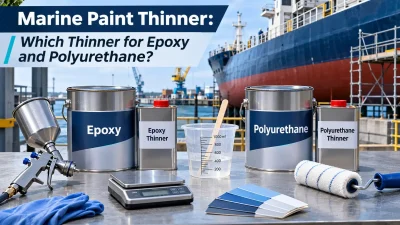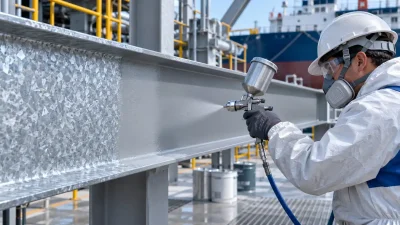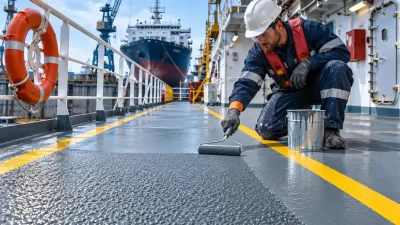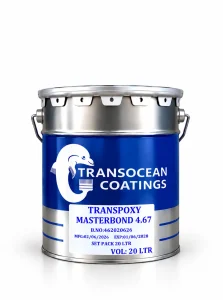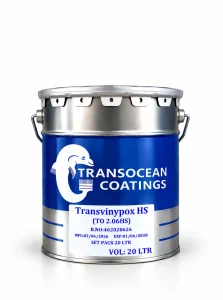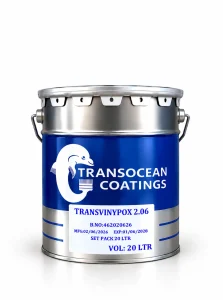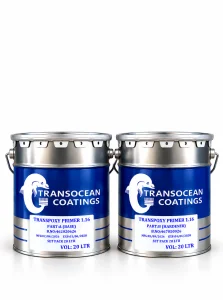


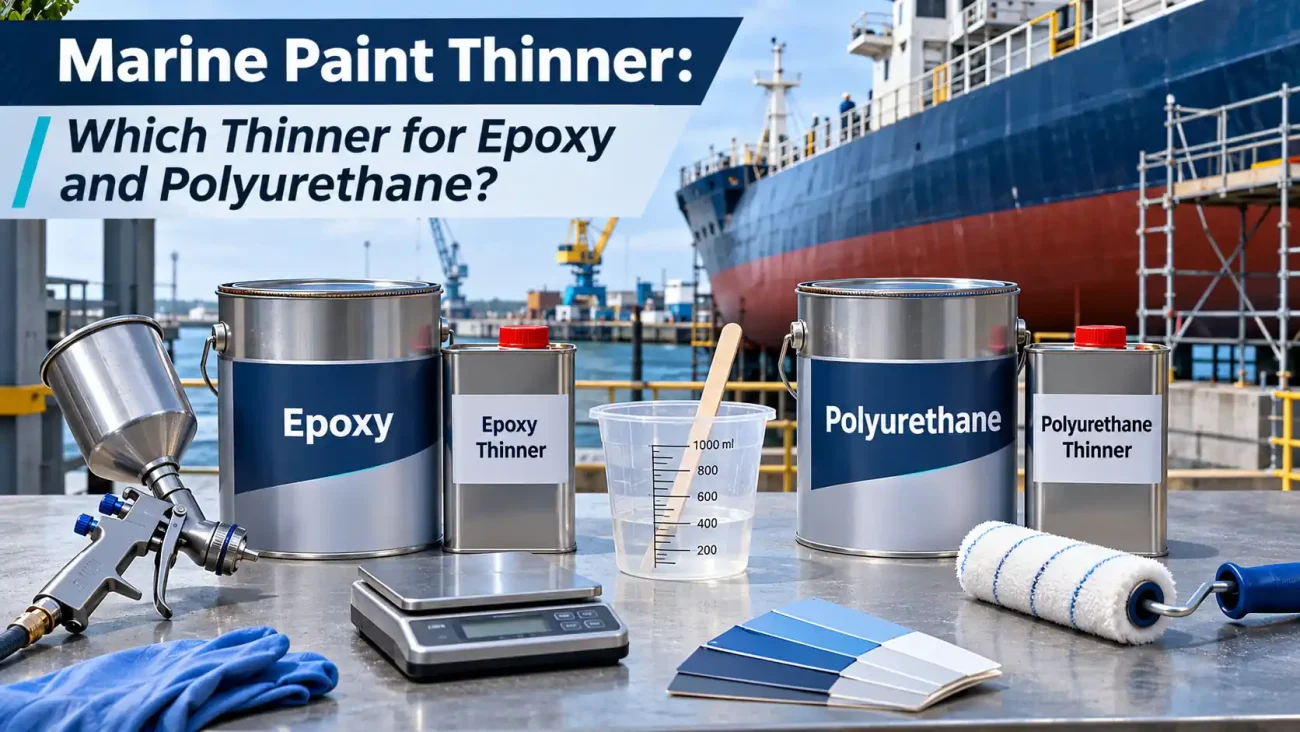
The tin is open, the gun is ready and the paint is too thick. Someone reaches for whatever solvent is on the shelf. This is exactly how a good coating job goes wrong, and the choice of marine paint thinner is a bigger decision than it looks.
This guide is for shipyard buyers, applicators and procurement staff in the UAE and Oman. It explains which marine paint thinner suits epoxy and which suits polyurethane, why they are not interchangeable, and how heat in Dubai or Duqm changes the way you work. We give no mixing ratios, because the ratio is always on the paint maker’s data sheet.
What is marine paint thinner and what does it do?
A thinner is a solvent blend that lowers the viscosity of a paint so it can be sprayed, brushed or rolled. A marine paint thinner is the grade that the coating maker has matched to its own marine products.
It is not a cleaning fluid and it is not a universal solvent. The word “thinner” covers many blends. The paint thinner overview shows how widely they vary in composition and use.
A thinner does three jobs:
- It makes the paint flow through the spray tip or off the brush.
- It controls how fast the solvent leaves the wet film.
- It helps the paint wet the surface and level into a smooth film.
Each job depends on the solvent blend. That is why the right marine paint thinner is specific to the paint, not to the project.
Epoxy thinner vs PU thinner: why they are different
Epoxy and polyurethane are two different chemistries. Our marine epoxy vs polyurethane guide explains the coatings. Here we only need the part that matters for the thinner.
Both are usually two-pack paints. A base and a hardener react together to form the film. The solvent that carries them must not interfere with that reaction.
- Epoxy. A two-pack epoxy needs the thinner that the manufacturer lists for that epoxy. The solvent balance is chosen to keep the epoxy stable while it cures.
- Polyurethane. Polyurethane finishes are especially sensitive. The solvent must be suitable for the hardener, and it is made for that purpose. A product such as Transocean PU Thinner 6.04 is a thinner and diluent intended for paint use, and its product page lists the safety handling for solvents.
So the epoxy thinner vs PU thinner question has a simple answer. They are not the same product, and each should be used only with the paints its maker names. If you are unsure, ask for written confirmation before you open a tin.
The golden rule: use the marine paint thinner the maker specifies
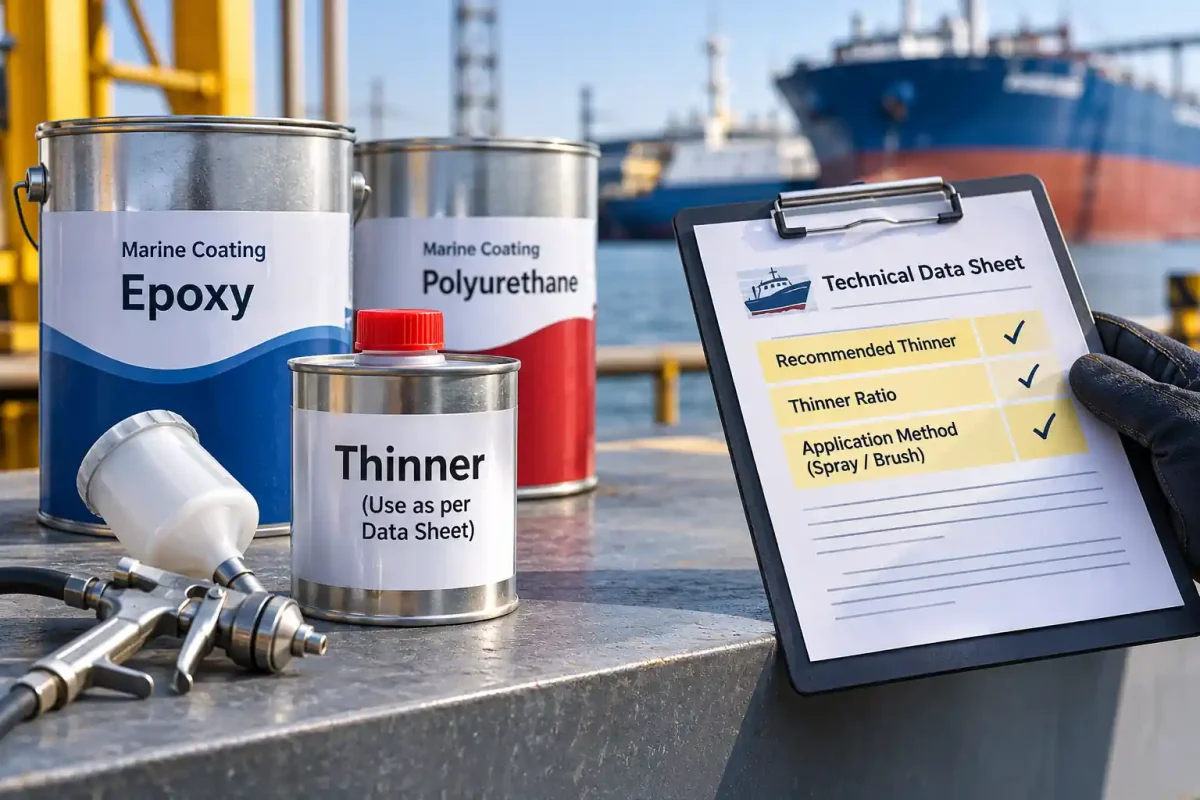
One rule beats every other tip in this guide: use the thinner the paint maker specifies. The data sheet names the thinner, the allowed amount and the application method. Our guide on how to read a marine coating technical data sheet shows where to find these lines fast.
Check three things before you add any marine paint thinner to a coating:
- Which thinner the data sheet names for this exact product.
- How much thinner it allows, and whether the figure changes for spray or brush.
- Whether the pack is new, because old material may behave differently.
Do not copy a ratio from a forum or from a different product. A marine paint thinner ratio is part of the paint design. Guessing it is a quality risk, not a saving.
How much thinner to add to marine paint
How much thinner to add to marine paint is the question buyers ask most. The honest answer is: only what the data sheet allows.
Here is why no fixed rule for marine paint thinner exists:
- Each paint has its own solids content and viscosity.
- Spray usually needs a different amount than brush or roller.
- Temperature changes the viscosity of the paint in the tin.
Too much thinner thins the film and weakens its protection. It also lowers the solids that build the coat, and it can cause runs and sags. Too little makes the paint hard to spray and leaves a rough, orange-peel texture.
Measure the thinner by volume, add it slowly and stir well. Do not thin the paint after you mix the two components unless the data sheet says so. Always record the amount you added on the job sheet, so an inspector can trace a problem later.
Can I use acetone or generic thinner on marine paint?
Many yards keep acetone or a cheap general-purpose thinner for cleaning guns and tools. It is tempting to use it for thinning too. This is a shortcut that often costs more than it saves.
Can I use acetone to thin epoxy paint? Not as a rule. Acetone leaves the film very fast. In hot air it can dry the surface before the paint has levelled, and it is not the solvent that the paint maker tested for its epoxy or polyurethane.
Common problems when the wrong marine paint thinner goes into a two-pack paint:
- Poor or slow cure. The film stays soft or tacky.
- Blushing. A hazy or waxy surface. Our amine blush on epoxy coatings guide covers causes and fixes.
- Loss of gloss. A polyurethane topcoat looks dull or cloudy.
- Weak adhesion. The next coat does not bond and can peel.
- Pot life problems. The mix may gel sooner or behave unpredictably.
Some of these only show after the paint looks dry. By then the only cure is to remove the coat and start again.
How Gulf heat changes marine paint thinner choice
The Gulf adds its own difficulties. Surface steel in the sun can be much hotter than the air, and solvent flashes off quickly.
Fast flash-off can cause dry spray, poor flow and trapped solvent under a skin that has already closed. Heat also shortens the pot life of a two-pack mix. Our tips for painting in hot and humid weather in the UAE cover the wider routine.
For marine paint thinner use in hot weather, keep these points in mind:
- Keep paint and thinner in the shade. Do not leave tins in direct sun.
- Ask the manufacturer whether a slower grade of the same thinner is available for hot work.
- Mix small batches that you can apply inside the pot life.
- Do not add extra thinner to “fix” a mix that is going off. A gelled mix is finished.
Storage matters too. Old paint and thinner can both change over time, so read our note on marine paint shelf life in hot climates.
Spray vs brush: how the method changes thinning
The application method changes how thin the paint needs to be, but it does not change the thinner type. The data sheet usually lists a different allowance for each method.
- Airless spray. Often needs less thinning, because the high pressure atomises the paint.
- Conventional air spray. Usually needs more, because the paint must flow through a smaller fluid path.
- Brush and roller. Used for stripe coats and small areas. The paint is normally kept thicker so it stays on the surface.
Check the data sheet line for your method, and do not apply the spray figure to a brush job. When in doubt, test on a sample panel and look at the result before you start on the hull.
How to buy the right thinner for epoxy and polyurethane
For epoxy and polyurethane systems, buy the thinner together with the paint and from the same source. This keeps the pairing clear and reduces the chance of a wrong substitution at the yard.
Before you order, confirm:
- The product name and article number of both the paint and the thinner.
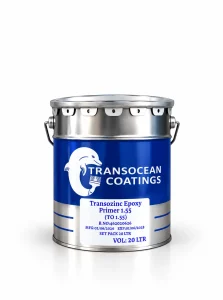
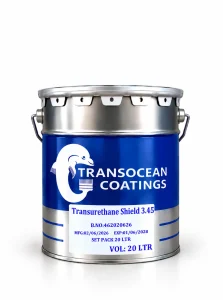
- That the thinner is the one listed for the system, for example a two-pack epoxy primer or a polyurethane finish.
- The safety data sheet, because thinners are flammable solvents and need correct storage and handling.
Wear suitable respiratory protection when you handle any marine paint thinner or solvent, and work in a ventilated area. Never use a marine paint thinner near sparks, flames or hot work.
Frequently asked questions
Can I use acetone to thin epoxy paint?
No, do not treat acetone as a shortcut. It evaporates very fast, especially in Gulf heat, and it is not the thinner a paint maker specifies for its two-pack epoxy. It can upset flow, curing and adhesion. Use only the thinner named on the data sheet.
Can I use PU thinner on epoxy paint?
Not unless the data sheet of that epoxy allows it. Epoxy and polyurethane systems are formulated with different solvent balances, so each has its own recommended thinner. Mixing them up can cause poor flow and cure problems. Ask the paint maker to confirm before you use one thinner across both.
How much marine paint thinner should I add?
Add only the amount given on the technical data sheet, measured by volume, and no more. The figure depends on the product and on spray or brush application. Extra thinner lowers film build and can hurt cure. If the data sheet gives a range, start at the low end and adjust.
Can generic paint thinner be used on marine coatings?
It is risky. General-purpose thinners differ in solvent blend and quality, and a two-pack marine coating can react badly to them. The result may be poor cure, loss of gloss or weak adhesion. Use the thinner that the paint manufacturer lists for the product, not a generic substitute.
Does heat change which thinner I should use?
Heat does not change the thinner type, but it can change the grade. Some makers offer slower thinners for hot weather, because solvent leaves the film quickly in the Gulf sun. Ask the manufacturer which grade it recommends for your site temperature, and never swap to another type on your own.
What happens if I use the wrong thinner?
The most common signs are slow or incomplete cure, a hazy or blushed film, low gloss, poor flow and weak adhesion between coats. Some problems appear days later, after the paint has looked fine. The repair usually means removing the coat, so use the specified thinner from the start.
Get a thinner quote for your epoxy or polyurethane job
Need the right thinner for your polyurethane work? Review Transocean PU Thinner 6.04 and request a quote on the product page. Tell us the paint system, the application method and the site so we can help you match it to the manufacturer’s data sheet. You can also contact our team with your questions.