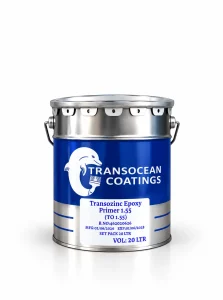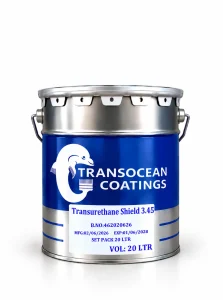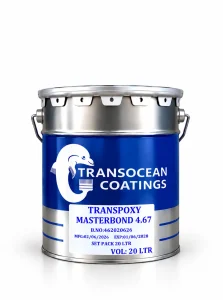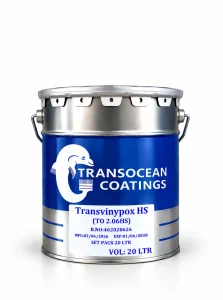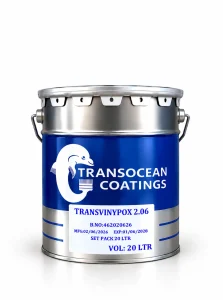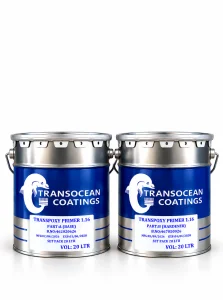


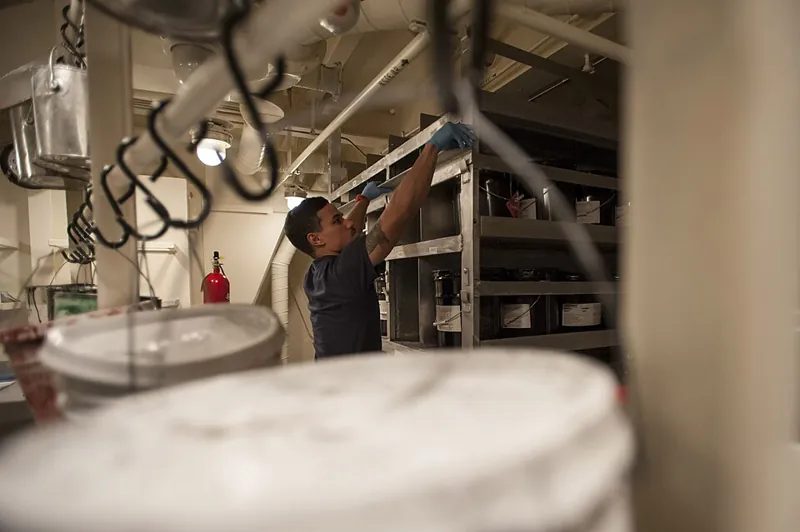
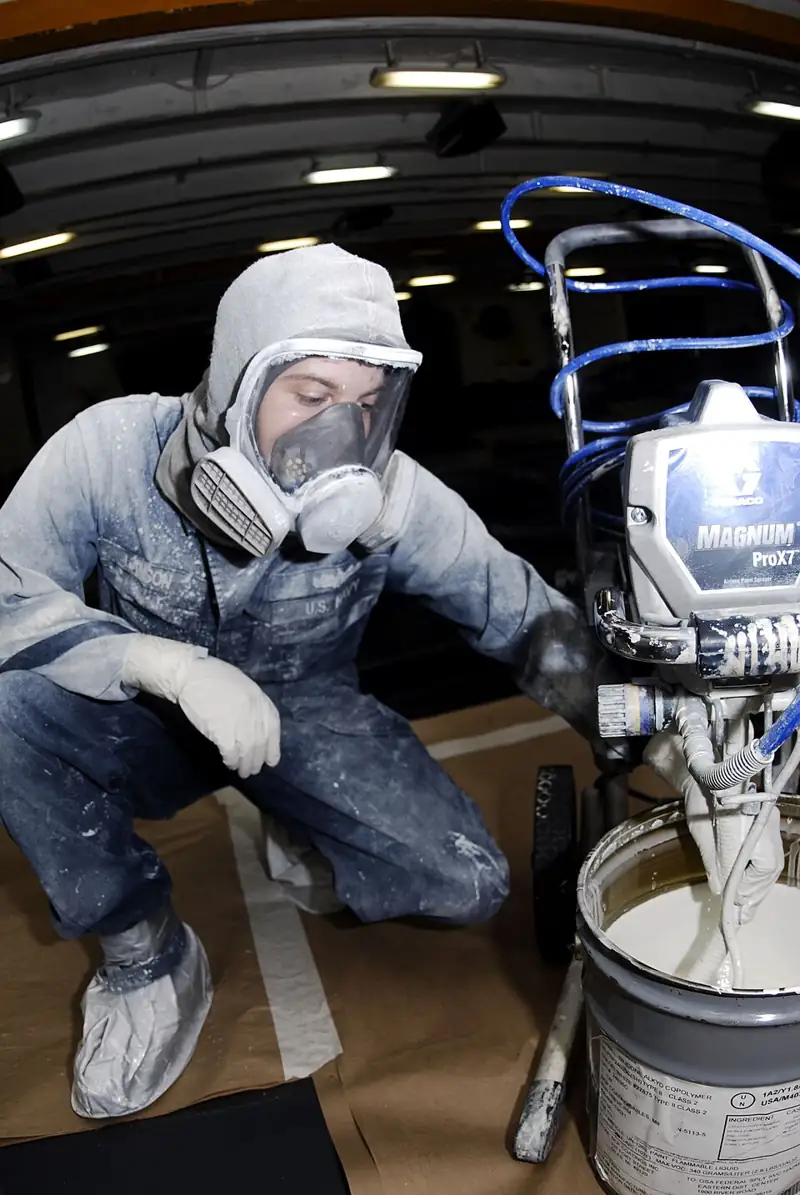
Summer in Dubai, Abu Dhabi and Duqm is tough on steel, and it is just as tough on the paint cans sitting in your store. Heat can age a coating before the lid is ever opened.
This guide explains marine paint shelf life in hot climates. It covers storage temperature, two-pack epoxy shelf life, signs of spoilage and simple checks to run before use, always based on the product data sheet.
What marine paint shelf life really means in hot climates
Marine paint shelf life is the period during which a sealed can stays fit for use. The paint maker sets it by testing the product in original, unopened packaging stored within a stated temperature range.
Heat is the main enemy. It speeds up slow chemical changes inside the can. Solvents can escape through poor seals, resins can thicken, and pigments can settle into a hard cake that is difficult to stir.
In the Gulf, a closed container or an unshaded yard can reach very high temperatures in summer. That is why marine paint shelf life on the label is only a starting point. The real figure depends on how you store the paint.
7 tips to protect marine paint shelf life
Use these seven tips as a storage checklist. Each one supports the others, and the product data sheet is always the final authority.
1. Read the shelf life and storage limits in the data sheet
The first step to protect marine paint shelf life is to read the data sheet. It lists the storage temperature range, the shelf life for each component and the conditions it applies to. Our guide to the marine coating technical data sheet shows where to find these lines.
- Note the shelf life for the base and the hardener separately.
- Write the manufacture date and the use-by date on a stock sheet.
- Keep a copy of the data sheet in the store.
If the figures are unclear, ask the paint maker before the paint is stored, not after it fails.
2. Control the paint storage temperature
Paint storage temperature is the most important control for marine paint shelf life. Many data sheets ask for a cool, dry and shaded store, and some give a maximum temperature. Confirm the range for each product you hold.
- Use an air-conditioned or well-ventilated room where possible.
- Never store cans in direct sun or in an unventilated metal container.
- Keep paint away from heaters, engines and hot pipework.
- Treat the stated range as a limit, not a target.
- Fit a max-min thermometer and log the readings.
A simple log proves that the paint was kept within the range. It also helps if you need to discuss a doubtful batch with the paint maker.
3. Plan paint storage in the UAE for the whole year
Paint storage in the UAE means protecting marine paint shelf life all year, not just in the cool months. A store that feels fine in winter can pass the safe limit by June. Check the room at the hottest time of the afternoon, not at the start of the day.
Coastal humidity adds a second risk. Damp air rusts can lids and may let moisture into the paint.
- Raise the cans off the floor on pallets or shelves.
- Check lids and rims for rust every month.
- Keep the store clean, dry and well lit.
4. Handle two-pack epoxy shelf life with care
Two-pack epoxy shelf life needs extra attention, and you must check it for both components. The base and the hardener are separate products, and each one ages in a different way. Hardeners can react with moisture and carbon dioxide in the air, which may cloud the liquid or form a crust.
- Close lids tightly after any opening.
- Never swap lids between cans.
- Keep base and hardener from the same batch together.
- Do not mix partial kits from different products.
Mixed paint cannot be stored. Once the base and hardener are combined, the pot life clock starts, and unused paint must be discarded. Plan quantities with our guide to marine paint consumption so you do not over-mix.
5. Rotate stock: first in, first out
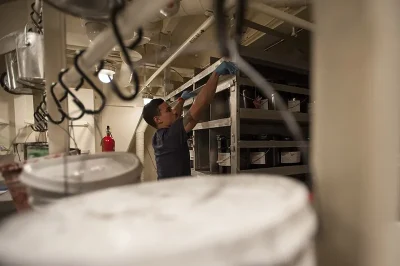
First in, first out is the easiest way to protect marine paint shelf life in a busy store. Put the newest stock behind the oldest and use the oldest batch first. Many losses come from paint that was forgotten at the back of a shelf.
- Label each pallet with the delivery date and use-by date.
- Check the stock list at the start of each month.
- Flag cans that are close to the end of their shelf life.
- Use or return near-expiry paint before ordering more.
Buying only what a project needs also helps. A reliable marine paint supplier in the UAE can deliver in stages, so large orders do not sit in a hot warehouse.
6. Inspect each can before use
The date on the label is only part of the story, because marine paint shelf life also depends on how the can was kept. Before you use stored paint, inspect it. Open one can at a time and look for these signs:
- A hard skin or lumps that will not stir out.
- A gel or very thick paint that cannot be poured.
- A strong change in smell or colour.
- A rusty, swollen or leaking can.
- Pigment that has settled into a hard cake.
A little settling is normal. Stir the paint with a clean paddle until it is smooth and uniform. If it will not mix, or if the sample looks different from a fresh can, set it aside and call the paint maker.
7. Treat expired paint use as a risk decision
Once marine paint shelf life has ended, expired paint use is a risk decision, not a guess. A can past its date may look normal and still fail in service. A poor cure on a ballast tank or hull costs far more than the paint you saved.
If you need to consider expired paint use, follow these steps:
- Ask the paint maker whether a re-test or an extension is possible.
- Run the checks they specify, such as viscosity and a small test patch.
- Keep the results in writing with the batch number.
- Do not use the paint on critical areas without written approval.
When in doubt, replace the paint. Reading about shelf life in general terms helps explain why the date matters, but your own data sheet always comes first.
Buying and receiving paint: a short checklist
Good storage starts at purchase. Ask for the manufacture date on delivery, and reject cans with damaged or rusty packaging. Match order sizes to the project schedule, so marine paint shelf life is used on the job and not in the store.
Here is a short checklist for buyers:
- Confirm the batch and manufacture date at delivery.
- Check cans are sealed, clean and upright.
- Move paint into the cool store within hours.
- Record the use-by date in the stock list.
- Stage large orders where you can.
Frequently asked questions
How long is the marine paint shelf life?
It depends on the product, so always read the data sheet. Many marine paints state a shelf life of about one to two years in sealed, original cans. The clock starts at the manufacture date, and hot storage can shorten it. Check the batch label before you buy.
What is the best paint storage temperature?
Follow the range printed in the product data sheet. Many marine paints ask for cool, dry, shaded storage well below the peak summer temperature of the UAE. Keep cans off bare concrete and away from direct sun, and never store them next to heat sources.
What is the two-pack epoxy shelf life?
Each component has its own shelf life, given in the data sheet for the base and the hardener. The hardener often reacts with moisture and carbon dioxide, so keep lids tight. Never mix a base and hardener from different batches or different products.
Can I use expired paint?
Not on a critical surface unless the paint maker confirms it in writing. Expired paint may still look normal, yet it can cure poorly. If the paint maker agrees to a re-test, run the checks they specify and record the results before you apply any coat.
How can I tell if marine paint has gone bad?
Look for a hard skin, lumps that will not stir out, a gel, a strong change in smell or a rusty can. Stir the paint fully, then strain a small sample. If it will not mix to a smooth, uniform liquid, do not use it.
How should I store paint in the UAE summer?
Use a ventilated, shaded, air-conditioned store if you can. Keep cans upright, sealed and off the floor, and rotate stock so the oldest batch is used first. Record the storage temperature each day so you can show the paint was kept within the data sheet range.
Need help with paint stock planning?
Need help planning paint stock for a UAE or Oman project? Contact our team for advice on TransOcean products, batch dates and staged delivery. You can also download product data sheets to check storage limits and marine paint shelf life.