

Every liquid cargo is different, and the tank lining has to cope with all of them. Choosing cargo tank coatings chemical tanker operators can trust is one of the biggest technical decisions in a ship’s life. A wrong choice can mean cargo contamination, lining failure and costly off-hire time.
This guide compares the two linings you meet most often: epoxy (including phenolic epoxy) and zinc silicate. It explains where each works, where each struggles, and seven checks to run before you decide. Always confirm final product choice against the paint maker’s data sheet and cargo list.
What cargo tank coatings do on a chemical tanker
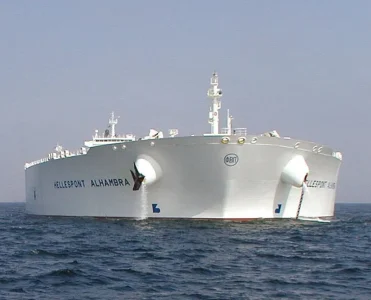
Chemical tankers carry many different liquids, from solvents and vegetable oils to acids and caustic solutions. Their cargo tanks are normally either stainless steel or carbon steel with a protective lining. The lining has three jobs: protect the steel from corrosion, resist the cargo, and keep the cargo clean.
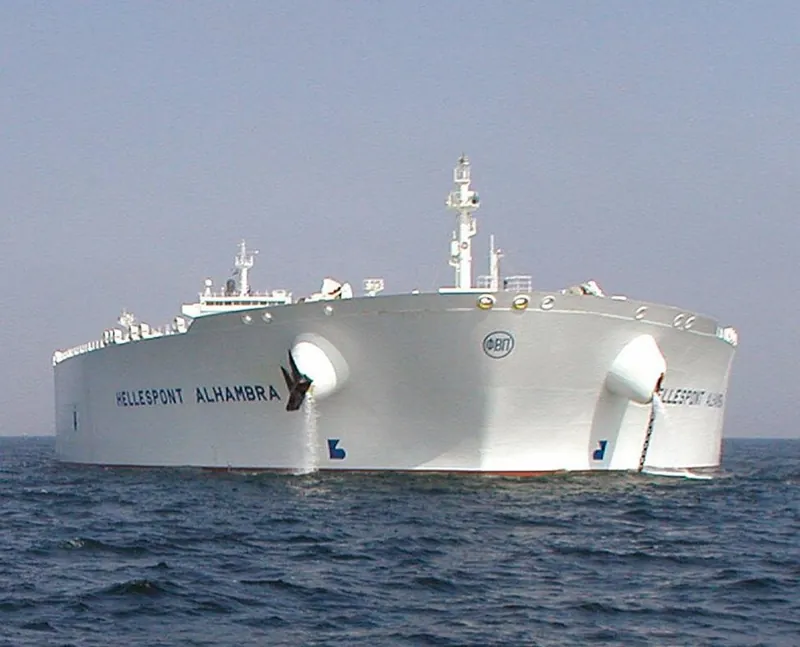
The cargoes are controlled by international rules. MARPOL Annex II and the IBC Code set how noxious liquid substances are carried and who may carry them. The coating does not change those rules, but it decides which cargoes a tank can handle in practice. You can read a short overview of the ship type in this page on the chemical tanker.
Cargo tank coatings chemical tanker fleets use are different from ballast tank coatings. A ballast tank sees seawater. A cargo tank sees the cargo, tank washing, heat and sometimes steam. Our guide to ballast tank coatings covers the seawater side.
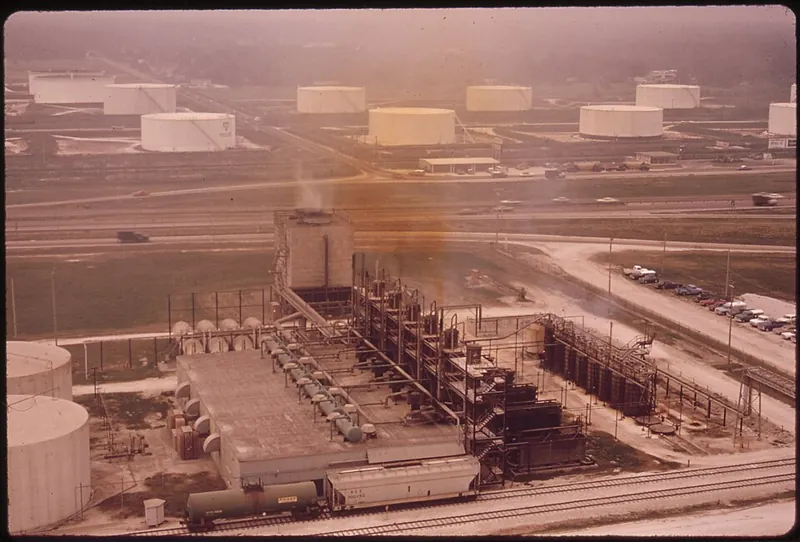
Cargo tank coatings chemical tanker owners use: two main families
Two lining families cover most cargo tank coatings chemical tanker builders specify. Each one has a clear strength, and each one has limits. Understanding both is the first step to a sound cargo tank coating selection.
Epoxy and phenolic epoxy tank linings
Among cargo tank coatings chemical tanker owners compare, epoxy linings are two-pack coatings: a base and a hardener. Phenolic epoxy and novolac epoxy are tougher versions made for stronger chemical contact. They form a smooth, dense film that is usually easy to wash.
- Wide chemical resistance, which suits mixed cargo trades.
- Smooth surface that helps tank cleaning and cargo purity.
- Good barrier against water and many solvents, depending on grade.
The trade-off is cure. Many tank lining epoxy and phenolic systems need controlled temperature, several coats and a defined cure time before cargo contact. Skipping this step is a common cause of early lining damage. Our marine epoxy coatings guide explains the chemistry in more detail.
Zinc silicate tank coating
Among cargo tank coatings chemical tanker yards apply, zinc silicate is an inorganic, zinc-rich coating. It cures by reacting with moisture in the air. The result is a hard, abrasion-resistant film that tolerates heat and many solvents.
- Strong resistance to many solvents and non-aqueous cargoes.
- Hard film that resists abrasion and tank cleaning equipment.
- Good heat tolerance, useful for heated cargoes.
The limits are just as clear. A zinc silicate tank coating does not like strong acids or alkalis, because zinc reacts with them. The surface is slightly porous, and zinc can affect some sensitive cargoes. Check the pH range and the cargo list before you commit.
Epoxy vs zinc silicate: side-by-side comparison
This table gives a quick comparison of the cargo tank coatings chemical tanker owners usually shortlist. Treat it as a first filter, not a final answer. Each product has its own data sheet and resistance list.
| Point | Epoxy and phenolic epoxy | Zinc silicate |
|---|---|---|
| Type | Organic, two-pack (epoxy, phenolic epoxy, novolac epoxy) | Inorganic, zinc-rich (ethyl silicate or water-based) |
| Best known for | Wide chemical resistance, smooth easy-clean film | Solvent resistance, hardness, heat tolerance |
| Cargo range | Many solvents, vegetable oils, and some acids and alkalis, by grade | Many non-aqueous cargoes and solvents, within a limited pH range |
| Weak points | Needs cure time, sometimes warm cure; can be brittle or soften with some solvents | Attacked by strong acids and alkalis; porous surface; zinc may affect some cargoes |
| Cleaning | Smooth surface, usually easier to wash | Needs careful washing between cargoes |
| Application | Multi-coat, controlled film thickness and overcoat intervals | Thin film, needs good blasting and enough humidity to cure |
For cargo tank coatings chemical tanker trades follow a simple pattern. Where cargoes are varied and include acids or alkalis, epoxy and phenolic epoxy linings are normally the safer family. Where cargoes are mainly solvents and non-aqueous liquids, zinc silicate can be a strong, durable choice.
7 checks for cargo tank coating selection
Use these seven checks for cargo tank coatings chemical tanker projects as a decision list. Each one narrows the choice before you talk to the paint maker.
1. Match every cargo to the chemical resistance list
Good cargo tank coatings chemical tanker selection starts with the full list of cargoes the ship expects to carry over the next five to ten years, not just the next voyage. Compare every cargo with the paint maker’s chemical resistance table. Look at the contact time and the temperature, as well as the product name. Some cargoes are fine for a short voyage but not for long contact.
2. Check the pH range and water exposure
Zinc silicate suits a limited pH range. Strong acids and alkalis are the usual dividing line. Water in the cargo, or water used in tank washing, also matters for zinc coatings. If the trade includes caustic soda or strong acids, epoxy or phenolic epoxy is normally the starting point.
3. Protect cargo purity
Some cargoes are sensitive to traces of metal or colour. Zinc can react with certain cargoes, and a porous film can hold traces of a past cargo. For high-purity cargoes, check how the lining affects quality and what the cargo owner accepts. A smooth epoxy film is often easier to keep clean.
4. Plan for tank cleaning and cargo changeovers
A chemical tanker changes cargo often. The lining must survive repeated washing and fast changeovers. Plan the cargo sequence with the coating in mind, because a bad sequence can leave cargo traces in the surface. Keep a tank log that records each cargo and each wash.
5. Build the cure time into the docking plan
Cure time is where plans go wrong. Epoxy and phenolic epoxy linings can need days of cure and sometimes warm conditions before loading. Zinc silicate cures faster but needs enough humidity. Put the cure period into the dry-dock schedule from the start, and plan it with your yard. For repair planning at coastal yards, see our note on ship repair coatings at Duqm.
6. Control surface preparation and application
Cargo tank coatings chemical tanker owners buy still fail when preparation or application is poor, whatever the product. Blast to the grade in the data sheet, remove salts and dust, and keep the steel above the dew point. Apply to the specified thickness, and measure it. Our guides to the marine coating specification and dry film thickness explain what to write down and measure.
7. Inspect and repair early
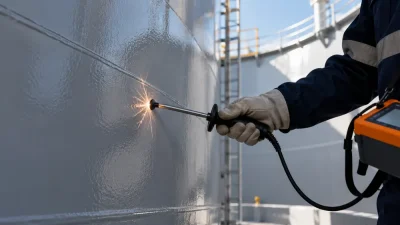
Cargo tank coatings chemical tanker crews rely on are only as good as the last inspection. Check tanks at every dry dock, look for blisters, cracks and mechanical damage, and repair them early. Record the findings, so the next decision uses real data. Test the repaired film with a holiday tester, as covered in our holiday testing guide.
Where Transozinc Silicate 158 fits
Zinc silicate also plays a role elsewhere on a ship. Transozinc Silicate 158 (TO 1.58) is a moisture-curing inorganic zinc silicate. The product page lists good resistance to many solvents and chemicals. It also lists abrasion resistance and recoating with Transpoxy, Transoprene and Transvinyl products.
That does not make it the right lining for every cargo. For cargo tank coatings chemical tanker use, the answer depends on the cargo, the pH range and the final data sheet. Our technical team can check the data sheet against your cargo list before any decision. For other areas, see our guides to cargo hold coatings and the types of tank paints and their applications.
Frequently asked questions
Which coating is better for a chemical tanker cargo tank, epoxy or zinc silicate?
Neither is better for every cargo. Epoxy and phenolic epoxy linings suit a wider range of chemicals, including many acids and alkalis. Zinc silicate suits solvents and many non-aqueous cargoes. Always check the paint maker’s cargo resistance list for each product you plan to carry.
Can zinc silicate be used for acids and alkalis?
Usually not. Zinc silicate is an inorganic, zinc-rich coating, and zinc reacts with strong acids and strong alkalis. Its resistance is normally limited to a neutral or near-neutral pH range stated in the data sheet. For aggressive acid or caustic cargoes, owners normally look at epoxy or phenolic epoxy linings instead.
Why do chemical tankers use coated tanks instead of stainless steel?
Coated carbon steel tanks cost less than stainless steel tanks, and a good lining protects the steel and the cargo. Stainless steel tanks resist a wider range of cargoes and clean easily, but they cost more to build. Many chemical tankers have both types, chosen by trade pattern.
Is zinc silicate easy to clean between cargoes?
It is harder than a smooth epoxy film. Zinc silicate has a slightly porous surface that can hold traces of a previous cargo. Careful tank washing, a defined cargo sequence and the cargo list from the paint maker reduce the risk of contamination when cargoes change.
How long must an epoxy cargo tank lining cure before loading?
It depends on the product, the film thickness and the temperature. Some epoxy and phenolic epoxy linings need several days of cure, and some need warm conditions or forced curing before cargo contact. Follow the data sheet and the coating inspector’s release, never a general rule.
What surface preparation do cargo tank coatings need?
Abrasive blasting to a clean steel standard, usually Sa 2.5 under ISO 8501-1, with a suitable roughness profile. Remove dust, salts and oil before coating. Control humidity and keep the steel above the dew point. The data sheet states the exact grade and profile for each product.
Need help with cargo tank coating selection?
Planning a tank lining job and need to match cargo tank coatings chemical tanker cargoes require? Contact our team with your cargo list, tank condition and docking dates. We can review the data sheets with you. You can also download TransOcean documents and read the application guidance first.