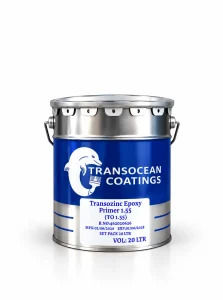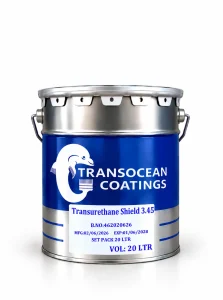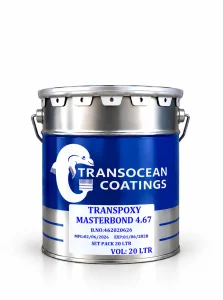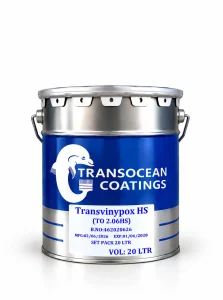



A marine coating specification is the document that decides whether a paint job succeeds. A vague one leads to disputes, rework and early rust. A clear one gives the yard, the supplier and the inspector the same rules.
This guide is for superintendents, purchasing managers and contractors in the UAE and Oman. It lists what a paint specification must include, with checks you can measure on site.
Contents
- What a marine coating specification is
- 1. Scope and standards: ISO 12944 and IMO PSPC
- 2. Surface preparation requirements
- 3. The coating system and products
- 4. Dry film thickness and how it is accepted
- 5. Application conditions and methods
- 6. Inspection, hold points and records
- 7. Repairs, handover and documents
- Common mistakes in a paint specification
- Frequently asked questions
What a marine coating specification is
A marine coating specification is a written set of requirements for how steel is prepared, painted and checked. It is not a product list. It is a method, with limits that can be measured.
The same document is read by three people. The buyer uses it to compare quotes. The painter uses it to plan the work. The inspector uses it to accept or reject each step. If one of them cannot tell what a clause means, the clause needs rewriting.
A good paint specification is short, ordered by job sequence, and specific. Replace “good surface preparation” with a grade, a profile range and a cleanliness limit. You can see how the layers work together in our guide to the marine coating system.
1. Scope and standards: ISO 12944 and IMO PSPC
Start with what is covered. List the vessel or structure, the areas (hull, deck, tanks, superstructure), and the expected service. Then name the standards that apply.
- ISO 12944: a series on corrosion protection of steel structures by paint systems. It defines corrosivity categories and durability ranges, so you can match a system to the environment.
- IMO PSPC: the Performance Standard for Protective Coatings, adopted by the International Maritime Organization. It sets rules for coatings in ballast tanks of new ships, with a target life of 15 years.
- Owner or class rules: the classification society and the owner may add their own requirements.
Say which document wins if two clauses disagree. Also state the expected life of the coating. This helps you judge whether a cheaper system is a real saving. For the background on ship-wide protection, see our page on protective coatings for ships.
If the job includes ballast spaces, the marine coating specification must follow the PSPC steps in detail. Our page on ballast tank coatings explains where these tanks need the most care. Read the standards themselves before you copy any clause. The text can change between editions, so always cite the edition.
2. Surface preparation requirements
Most coating failures start with the surface. Your paint specification must state the target, not just “blast clean”.
- Method: abrasive blasting, power tools or water jetting, depending on the area.
- Cleanliness grade: for example Sa 2½ under ISO 8501-1 for blasted steel.
- Surface profile: a roughness range suited to the primer, measured as in ISO 8503.
- Soluble salts and dust: a limit for salts on the surface, and a dust rating before painting.
- Edges and welds: grind sharp edges and remove weld spatter before blasting.
- Pre-existing coating: define what stays, what is removed and how the edges are feathered.

Give a time limit between blasting and priming. In humid coastal air, steel can flash rust within hours. Our article on surface preparation in coating projects goes deeper on this step.
3. The coating system and products
This is the part most people think of first. Name each coat, its generic type, its purpose and the product.
- Primer: bonds to steel and adds corrosion protection.
- Intermediate coat: builds film thickness and barrier strength.
- Topcoat: protects against sun and weather, or against the cargo in a tank.
- Stripe coat: an extra coat on edges, welds and corners, applied by brush or roller.
Use the manufacturer data sheet as part of the paint specification. It gives mixing ratios, pot life, thinning limits and recoat intervals. If a clause says “or equivalent”, define how equivalence is proved. Compare the options in our overview of types of tank paints and their applications.
Do not mix products from different makers inside one system unless the suppliers approve in writing. Every approved product should be listed with its batch number at delivery.
4. Dry film thickness and how it is accepted
Film thickness is where a marine coating specification becomes measurable. State the nominal dry film thickness (NDFT) for each coat and for the full system. Add the maximum thickness too, because too much paint can crack or trap solvent.
Then state the acceptance rule. One common rule is the “90/10” rule used in the IMO PSPC. Most readings must meet the nominal value, and a small share may fall lower, but never below a set minimum. Write the exact rule you use, and the instrument and method, such as ISO 19840 for rough blasted surfaces.
- How many readings per area or per square metre
- Gauge calibration before use
- Who records the readings and where
- What happens when a reading is low or high
Our guide to marine coating DFT explains the gauges and the readings step by step. Remember that wet film readings help during painting, but only dry film readings count for acceptance.
5. Application conditions and methods
Even the best paint fails when applied in the wrong weather. Your marine coating specification should set the limits for the air, the steel and the moisture.
- Steel temperature: typically at least 3 °C above the dew point.
- Relative humidity: a maximum value, as set on the data sheet or by the standard.
- Temperature range: both a minimum and a maximum, as the heat in Dubai or Duqm can shorten pot life.
- Method: airless spray, brush or roller for stripe coats.
- Recoat interval: minimum and maximum times between coats.
- Ventilation and dehumidification: required inside tanks and closed spaces.
Dew point is the temperature where water starts to condense on a surface. You can read more on dew point. Ask the contractor to log these readings every shift, and keep the logs with the job file.
6. Inspection, hold points and records
An inspection plan turns the paint specification into action. List each hold point, which is a step where work stops until the inspector signs.
- After blasting: grade, profile, salts and dust
- Before each coat: weather readings and surface condition
- After each coat: visual check and film thickness
- After stripe coats: coverage on edges and welds
- Final: full dry film survey, holiday or pinhole checks where needed
Define who inspects: the yard, the owner, the paint supplier, or an independent inspector. Name the qualification you expect, and the reports each person must file. Corrosion is the slow process you are trying to stop, and a good inspection plan catches the first sign of it early. For background, see Wikipedia on corrosion.
7. Repairs, handover and documents
No job is perfect, so say how defects are fixed. Describe how to repair damage, low film and pinholes, and what must be re-inspected after each repair.
The handover pack should include:
- The agreed paint specification, with any changes signed
- Product data sheets and batch records
- Surface preparation and weather logs
- Film thickness readings and the final inspection report
- Photos of key stages
- The warranty terms and the maintenance plan
For the ballast spaces on new ships, the PSPC also asks for a Coating Technical File that travels with the vessel. Even where it is not required, a similar file helps the next drydock. You can find technical sheets for our products on the documents and downloads page.
Common mistakes in a paint specification
- Copying an old specification. The vessel, area and service may have changed.
- Using vague words. “Good”, “clean” and “suitable” cannot be measured.
- Missing hold points. Without them, problems stay hidden under the next coat.
- Ignoring weather limits. Humid or hot conditions need a clear plan.
- No acceptance rule for film thickness. Disputes follow at handover.
- Leaving out records. If it is not written down, it cannot be proved.
A strong marine coating specification removes each of these points before the work starts. Our team can review your draft against the supplier data sheets.
Frequently asked questions
What is a marine coating specification?
A marine coating specification is the written document that tells the painter and the inspector what to do. It states the standard, surface preparation, paint system, film thickness, application limits, inspection steps and records. It turns a paint purchase into a controlled job.
What should a paint specification for a ship include?
It should include the scope and areas, the standards used, surface preparation grades, the coating system and products, dry film thickness, application conditions, inspection hold points, repairs and the final documents. Each item needs a clear limit that an inspector can measure.
What is the difference between ISO 12944 and IMO PSPC?
ISO 12944 is a general standard for corrosion protection of steel structures by paint systems. IMO PSPC is a mandatory rule for coatings in the ballast tanks of new ships. Use ISO 12944 for structures and general work, and PSPC where the ship type requires it.
What dry film thickness should a coating specification state?
The specification should state a nominal dry film thickness for the full system and for each coat, plus the rule for accepting readings. The value comes from the product data sheet, the corrosion risk and the target life. Do not copy a number from another project.
Who writes the coating specification?
It is usually written by the owner, the superintendent or a coating consultant, with input from the paint supplier. The yard or contractor then confirms it can meet each clause. A short review meeting before work starts removes most unclear points.
How do you check that a coating specification was followed?
Inspectors check each step against the specification. They measure surface cleanliness, profile, air and steel temperature, humidity and film thickness, and they sign each hold point. These records are collected in the final inspection report and kept for the vessel.
Can the same specification be used for every vessel?
No. A template is a good start, but every vessel or structure has different areas, service and drydock time. Adjust the paint system, film thickness and inspection plan for each job, and keep the same clear structure so nothing is missed.
Need help with your coating specification?
Bahari Tech supplies marine and industrial paints in the UAE and Oman, with data sheets and technical support. Contact us to review your marine coating specification or to get a quote for the right coating system.