
Anti-Corrosion Coatings UAE
pipelines, tanks, marine equipment, and industrial facilities from rust, oxidation, chemical
damage, humidity, and salt exposure. Due to the UAE’s coastal climate, high temperatures,
strong UV radiation, and industrial environments, corrosion protection is a critical requirement
for long-term asset performance.
Businesses across Dubai, Abu Dhabi, Sharjah, Ajman, Ras Al Khaimah, and other emirates use
protective coating systems to extend the service life of equipment, reduce maintenance costs,
improve safety, and prevent structural damage.
What Are Anti-Corrosion Coatings?
Anti-corrosion coatings are protective layers applied to metal or concrete surfaces to prevent
damage caused by moisture, oxygen, salt, chemicals, and environmental contaminants. These
coatings act as a barrier between the surface and corrosive elements.
A properly selected coating system can protect industrial assets for many years, especially
when combined with correct surface preparation and professional application.
Why Anti-Corrosion Coatings Are Important in the UAE
The UAE environment creates several corrosion risks. Coastal air contains salt particles,
humidity levels can be high, and outdoor structures are exposed to strong sunlight and extreme
heat. In industrial zones, chemicals and pollutants can further accelerate corrosion.
- High humidity
- Salt-laden coastal air
- Extreme heat
- Strong UV exposure
- Chemical contact
- Industrial pollution
- Sand and dust abrasion
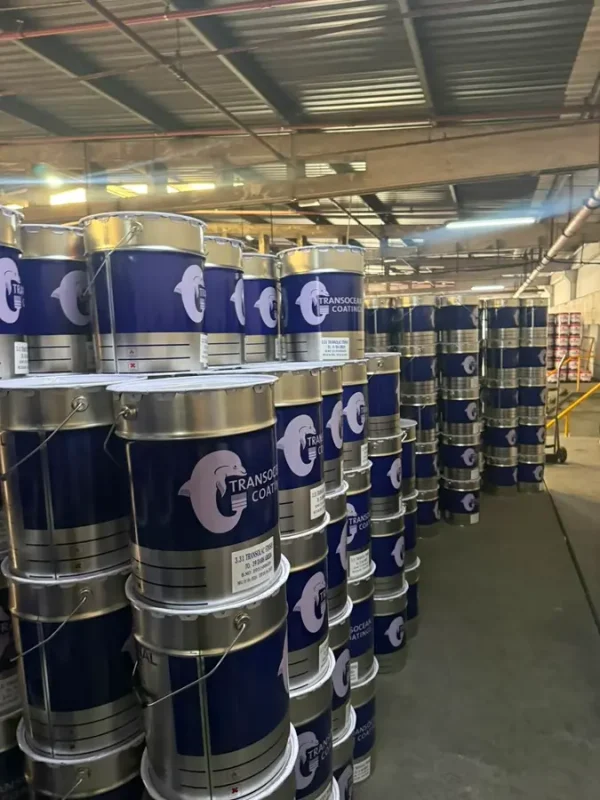
Marine Primers and Anti-Corrosive Coatings
Main Benefits of Anti-Corrosion Coatings
1. Longer Asset Life
Protective coatings help extend the lifespan of steel, pipelines, tanks, equipment, and
structures by preventing rust and corrosion.
2. Reduced Maintenance Costs
Preventing corrosion is usually more cost-effective than repairing or replacing damaged
equipment.
3. Improved Safety
Corrosion can weaken structures and equipment. Anti-corrosion coatings help maintain
strength, reliability, and safety.
4. Chemical Resistance
Many industrial coatings are designed to resist acids, alkalis, oils, fuels, solvents, and other
chemicals.
5. Better Appearance
Protective coatings also improve surface appearance by preventing rust stains, discoloration,
and surface deterioration.
Types of Anti-Corrosion Coatings in the UAE
| Coating Type | Best Application | Main Benefit |
|---|---|---|
| Epoxy Coatings | Pipelines, tanks, steel structures | Excellent chemical and moisture resistance |
| Polyurethane Coatings | Outdoor structures and topcoats | UV resistance and color retention |
| Zinc-Rich Primers | Structural steel and marine assets | Sacrificial corrosion protection |
| Acrylic Coatings | Commercial and light industrial use | Weather resistance and easy application |
| Ceramic Coatings | High-temperature equipment | Heat and wear resistance |
| Vinyl Ester Coatings | Chemical plants and tanks | Superior chemical resistance |
Epoxy Anti-Corrosion Coatings
Epoxy coatings are among the most popular industrial protective coatings in the UAE. They are
known for excellent adhesion, high build thickness, moisture resistance, and strong chemical
protection.
- Oil and gas pipelines
- Storage tanks
- Industrial flooring
- Steel structures
- Water treatment plants
- Marine equipment
Polyurethane Protective Coatings
Polyurethane coatings are commonly used as topcoats because they provide excellent UV
resistance, gloss retention, weather resistance, and durability. In the UAE, polyurethane
coatings are often applied over epoxy primers to create a complete protective system.
Zinc-Rich Primers
Zinc-rich primers provide galvanic protection to steel. The zinc acts as a sacrificial layer,
helping protect the steel even if the coating surface is slightly damaged.
These primers are widely used for bridges, offshore structures, steel frames, refineries,
industrial plants, and marine facilities.
Industries That Use Anti-Corrosion Coatings in the UAE
Oil and Gas
The oil and gas sector requires advanced corrosion protection for pipelines, refineries,
offshore platforms, storage tanks, and pressure vessels.
Marine Industry
Ships, ports, docks, offshore rigs, and marine equipment are constantly exposed to saltwater
and require high-performance marine coatings.
Construction
Anti-corrosion coatings protect structural steel, bridges, parking areas, commercial buildings,
and infrastructure projects.
Water Treatment
Water treatment plants use protective coatings for tanks, pipes, pumps, reservoirs, and
processing equipment.
Manufacturing
Factories and industrial plants use corrosion-resistant coatings to protect machinery,
equipment, steel frames, and production areas.
Common Coating System Structure
| Layer | Purpose |
|---|---|
| Surface Preparation | Removes rust, oil, dust, and contaminants |
| Primer | Improves adhesion and corrosion resistance |
| Intermediate Coat | Builds thickness and adds protection |
| Topcoat | Provides UV resistance, color, and weather protection |
Surface Preparation Before Coating
Surface preparation is one of the most important steps in anti-corrosion coating application.
Even the best coating can fail if the surface is not properly cleaned and prepared.
- Abrasive blasting
- Sandblasting
- Shot blasting
- Grinding
- Degreasing
- Chemical cleaning
- Rust removal
How to Choose the Right Anti-Corrosion Coating
Choosing the correct coating system depends on the operating environment, surface type,
temperature, chemical exposure, and expected service life.
- Identify the substrate material.
- Evaluate environmental exposure.
- Check chemical resistance requirements.
- Consider UV and weather exposure.
- Review temperature conditions.
- Select the correct primer and topcoat system.
- Ensure professional application and inspection.
Anti-Corrosion Coatings for Offshore and Marine Applications
Offshore and marine structures in the UAE face some of the harshest corrosion conditions.
Continuous exposure to seawater, humidity, salt spray, waves, and sunlight requires strong
protective coating systems.
A common marine coating system may include a zinc-rich primer, high-build epoxy intermediate
coat, and polyurethane topcoat.
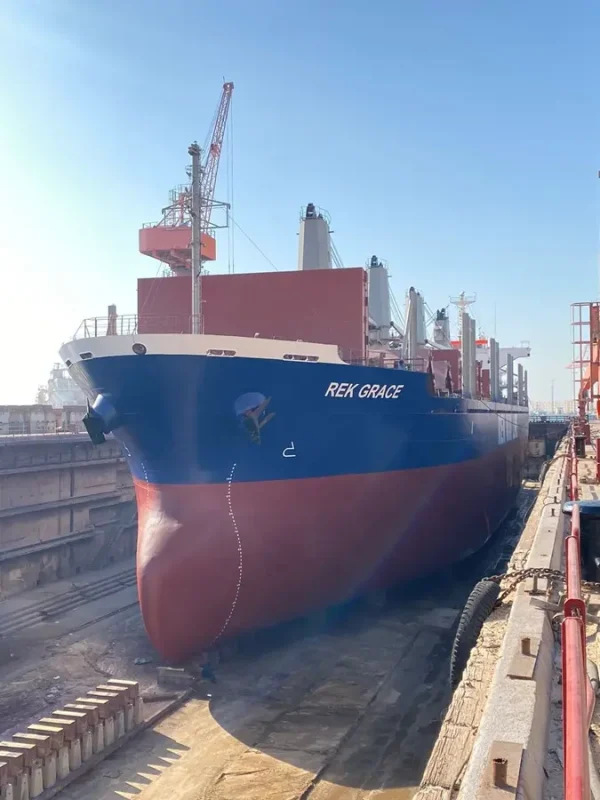
What Are Antifouling Coatings and Why Are They Important for Ships?
Maintenance of Anti-Corrosion Coatings
Regular inspection and maintenance help maximize coating lifespan. Damaged areas should be
repaired quickly to prevent corrosion from spreading beneath the coating layer.
- Inspect coatings regularly
- Check for cracks, peeling, and blistering
- Measure coating thickness
- Clean salt, dust, and contaminants
- Repair damaged areas immediately
- Recoat when needed
Signs That a Coating Needs Repair or Replacement
- Rust spots
- Blistering
- Peeling
- Cracking
- Color fading
- Chalking
- Delamination
Why Choose Professional Anti-Corrosion Coating Services in the UAE?
Professional coating contractors understand the UAE climate, industrial requirements, surface
preparation standards, and application methods. Working with experienced specialists ensures
better coating performance, longer protection, and reduced long-term maintenance costs.
Conclusion
Anti-corrosion coatings in the UAE are essential for protecting industrial, marine,
construction, oil and gas, and infrastructure assets from severe environmental damage.
Choosing the right coating system can extend equipment life, improve safety, reduce downtime,
and lower maintenance expenses.
For best results, businesses should select high-quality coatings, prepare surfaces properly,
apply the system professionally, and maintain coated assets through regular inspections.
Frequently Asked Questions
What is the best anti-corrosion coating for UAE weather?
Epoxy coatings with polyurethane topcoats are commonly used because they offer strong
resistance to humidity, salt exposure, chemicals, and UV radiation.
How long do anti-corrosion coatings last?
Depending on the coating system, surface preparation, application quality, and environment,
anti-corrosion coatings can last from 10 to more than 25 years.
Where are anti-corrosion coatings used?
They are used on pipelines, tanks, steel structures, ships, offshore platforms, bridges,
industrial equipment, water treatment facilities, and factories.
Why is surface preparation important?
Surface preparation removes rust, dust, oil, and contaminants, helping the coating bond
properly and perform longer.
Can anti-corrosion coatings resist chemicals?
Yes. Epoxy, vinyl ester, and specialized industrial coatings are designed to resist chemicals,
fuels, oils, acids, and alkalis.
Are anti-corrosion coatings suitable for marine environments?
Yes. Marine-grade anti-corrosion coatings are specifically designed to protect assets exposed
to seawater, salt spray, and humidity.
How often should coated surfaces be inspected?
Industrial and marine coatings should generally be inspected at least once a year, or more
frequently in severe environments.