
Anti-Corrosion Marine Coatings
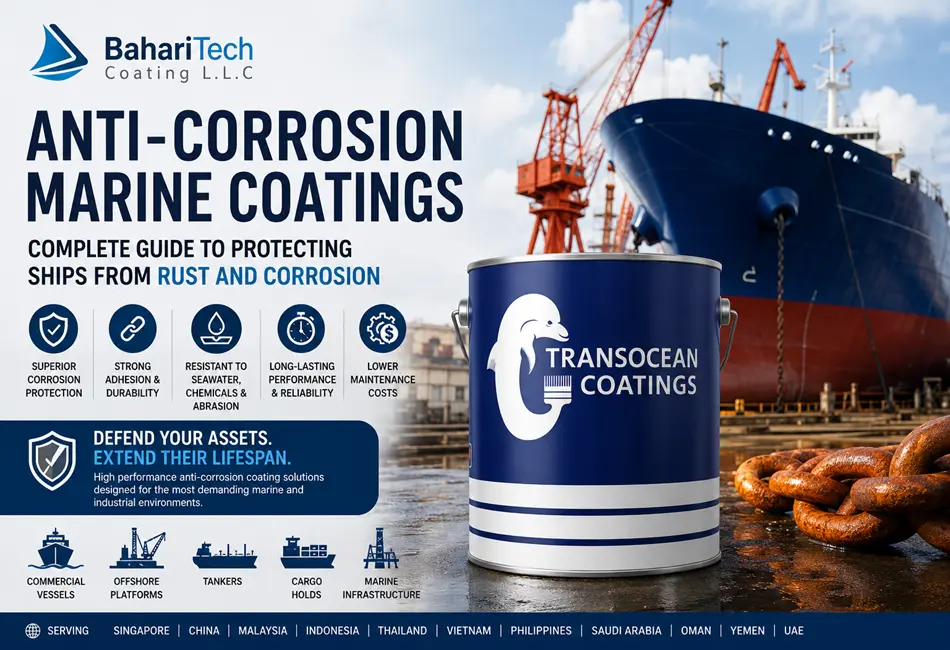
Anti-Corrosion Marine Coatings are one of the most important factors in extending the service life of marine equipment, vessels, and offshore structures. Marine environments expose metal surfaces to constant moisture, saltwater, intense UV radiation, temperature fluctuations, and continuous contact with corrosive elements. Using high-quality anti-corrosion coatings not only reduces maintenance and repair costs but also enhances operational safety and ensures long-term performance.
At BahariTech, we have years of experience in supplying, selecting, and applying premium Marine Coatings and Industrial Coatings. We provide tailored coating solutions based on the specific requirements of each project. Our experience working with marine industries, ports, oil & gas facilities, and industrial projects enables us to recommend the most suitable coating systems according to environmental conditions, international standards, and project budgets.
In this guide, we will explore anti-corrosion marine coatings in detail, including their types, advantages, selection criteria, application process, common mistakes, costs, and expert recommendations to help you make the best decision for protecting your marine assets.
What Are Anti-Corrosion Marine Coatings?
Anti-Corrosion Marine Coatings are protective coating systems specifically designed to prevent metal corrosion in harsh marine environments. These coatings create a durable barrier between the metal substrate and corrosive elements such as seawater, oxygen, salt, and industrial chemicals.
A complete marine coating system typically consists of multiple layers, including a primer, an intermediate coat, and a topcoat. Each layer serves a specific purpose, working together to provide maximum resistance against corrosion, abrasion, impact, and extreme weather conditions.
Why Do Marine Structures Need Anti-Corrosion Coatings?
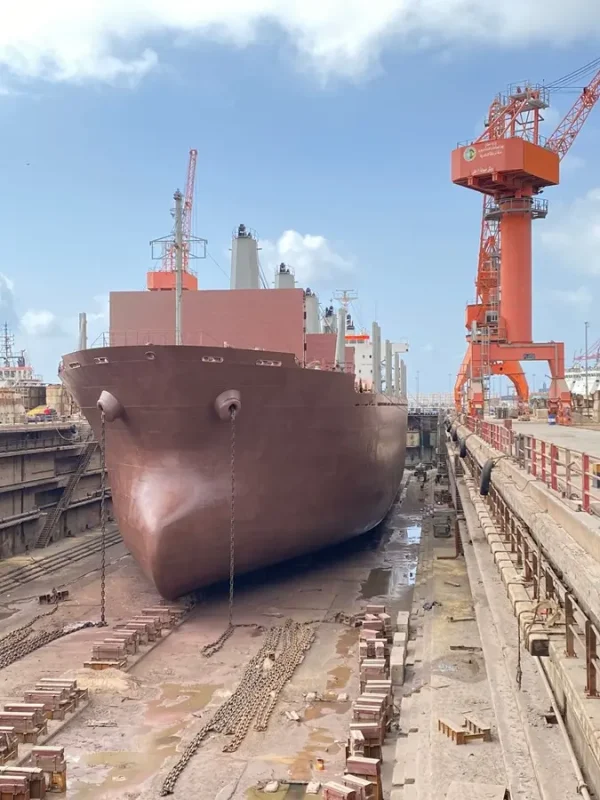
Marine environments are among the most aggressive conditions for metal structures. High chloride concentrations, continuous humidity, and fluctuating temperatures accelerate corrosion, causing unprotected steel to rust rapidly and lose its structural integrity.
Repairing damaged marine equipment is often significantly more expensive than investing in a professional protective coating system. Therefore, selecting the right Marine Paint should be viewed as a long-term investment rather than a short-term expense.
Main Causes of Marine Corrosion
- Saltwater and chloride ions
- High humidity
- Ultraviolet (UV) radiation
- Oxygen exposure
- Industrial chemicals
- Mechanical impact and abrasion
- Temperature fluctuations
Anti-Corrosion Marine Coatings
Benefits of Anti-Corrosion Marine Coatings
| Benefit | Description |
|---|---|
| Corrosion Protection | Minimizes direct exposure of metal surfaces to corrosive elements. |
| Extended Equipment Life | Significantly increases the lifespan of marine structures. |
| Lower Maintenance Costs | Reduces routine maintenance and repair expenses. |
| Chemical Resistance | Provides excellent resistance to chemicals, fuels, and petroleum products. |
| UV Resistance | Maintains coating performance and appearance under sunlight. |
| Professional Finish | Improves the appearance and durability of marine assets. |
Types of Anti-Corrosion Marine Coatings
Epoxy Marine Coatings
Epoxy coatings are among the most widely used marine protective systems. They provide outstanding adhesion, excellent mechanical strength, and superior resistance to seawater, making them ideal for storage tanks, ship decks, offshore platforms, docks, and industrial facilities.
At BahariTech, we have successfully supplied and implemented epoxy coating systems for numerous marine and industrial projects. These systems consistently deliver exceptional durability and long-term corrosion protection under demanding environmental conditions.
Polyurethane Marine Coatings
Polyurethane coatings are commonly applied as the finishing layer of marine coating systems. They offer outstanding UV resistance, weatherability, gloss retention, and color stability while providing an attractive, durable surface finish.
Combining an epoxy primer with a polyurethane topcoat is considered one of the most effective protective coating systems for marine applications.
Zinc Rich Primers
Zinc-rich primers provide cathodic protection by sacrificing zinc particles to protect the underlying steel. These primers are widely used on offshore structures, steel bridges, ports, and marine infrastructure.
In highly corrosive environments, applying a Zinc Rich Primer as the first coating layer significantly enhances the overall performance and service life of the coating system.
Anti-Fouling Coatings
Anti-fouling coatings not only protect against corrosion but also prevent the growth of algae, barnacles, and other marine organisms on vessel hulls. Reducing marine growth lowers drag, improves fuel efficiency, and enhances vessel performance.
Comparison of Marine Coating Systems
| Coating Type | Corrosion Resistance | UV Resistance | Primary Application |
|---|---|---|---|
| Epoxy | ★★★★★ | ★★★☆☆ | Primer & Intermediate Coat |
| Polyurethane | ★★★★☆ | ★★★★★ | Topcoat |
| Zinc Rich Primer | ★★★★★ | ★★☆☆☆ | Steel Primer |
| Anti-Fouling | ★★★★☆ | ★★★★☆ | Ship Hull Protection |
How to Choose the Best Anti-Corrosion Marine Coatings
Selecting the right marine coating system requires more than comparing prices. Factors such as substrate type, environmental exposure, immersion conditions, project specifications, and expected service life all influence the optimal coating solution.
At BahariTech, our coating specialists evaluate every project carefully before recommending a coating system. This professional approach ensures maximum protection, minimizes maintenance costs, and extends the operational lifespan of your assets.
Key Selection Criteria
- Type of metal substrate
- Corrosivity level of the environment
- Continuous or intermittent water immersion
- Required chemical resistance
- Project budget
- Desired service life
- Applicable international standards
Application Process for Anti-Corrosion Marine Coatings
- Complete surface inspection
- Removal of rust, contaminants, and old coatings
- Abrasive blasting according to international standards
- Surface profile measurement
- Primer application
- Intermediate coat application
- Topcoat application
- Dry Film Thickness (DFT) inspection
- Final quality inspection
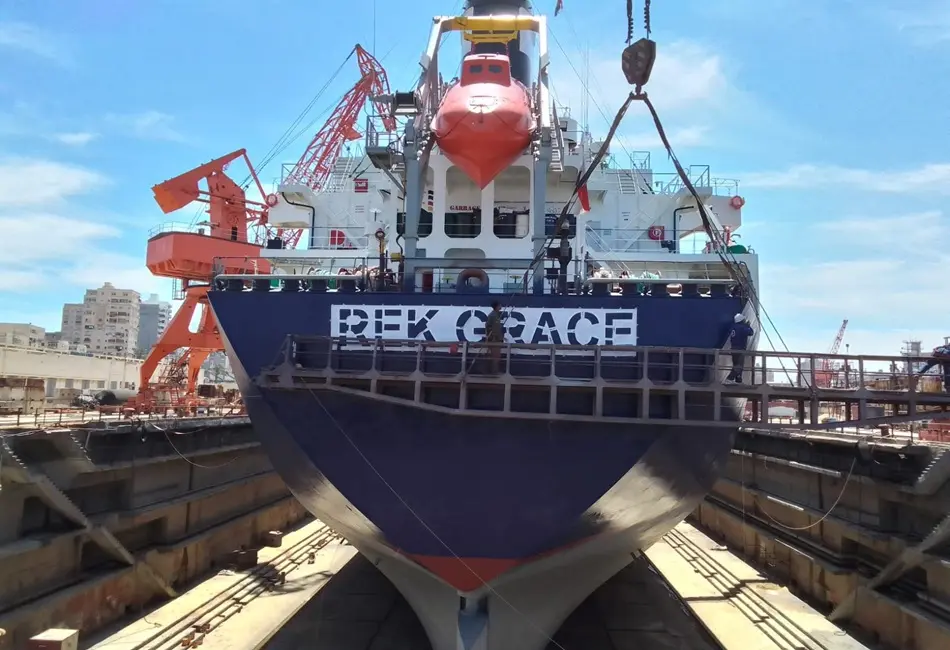
Every step of the coating process is critical to long-term performance. Even the highest-quality Marine Paint cannot achieve its full protective capability without proper surface preparation. At BahariTech, we follow internationally recognized coating standards and rigorous quality control procedures to ensure long-lasting protection for every project.
Anti-Corrosion Marine Coatings
Key Standards for Anti-Corrosion Marine Coatings
To achieve maximum coating performance, marine protective systems should comply with internationally recognized standards. Adhering to these standards improves coating durability, project quality, and long-term reliability.
| Standard | Application |
|---|---|
| ISO 12944 | Corrosion protection of steel structures. |
| IMO PSPC | Performance standard for protective coatings in ship ballast tanks. |
| SSPC | Surface preparation standards. |
| NACE | Industrial corrosion control and prevention. |
Selecting premium products from trusted manufacturers such as TransOcean and ensuring professional application are essential for achieving these international standards. At BahariTech, we have successfully planned, supplied, and executed numerous coating projects in accordance with global industry requirements, delivering reliable, long-lasting protection and superior coating performance for our clients.
Common Mistakes When Selecting and Applying Anti-Corrosion Marine Coatings
Even the highest-quality marine coating system can fail prematurely if it is selected or applied incorrectly. Many coating failures are not caused by the product itself but by poor surface preparation, unsuitable environmental conditions, or incorrect application procedures.
At BahariTech, we follow internationally recognized coating standards and proven inspection procedures to minimize application risks. Our experience has shown that proper planning and quality control significantly improve coating performance and reduce long-term maintenance costs.
Most Common Mistakes
- Choosing coatings based only on price instead of performance.
- Inadequate surface preparation before painting.
- Applying coatings outside the recommended temperature or humidity range.
- Ignoring the required Dry Film Thickness (DFT).
- Using incompatible primer and topcoat systems.
- Skipping inspection and quality control during application.
- Delaying maintenance after coating damage appears.
Factors Affecting the Cost of Anti-Corrosion Marine Coatings
The cost of a marine coating system depends on much more than the price of the paint itself. Surface condition, coating specification, application method, labor, and project size all influence the overall investment.
| Cost Factor | Impact on Budget |
|---|---|
| Surface preparation | High |
| Coating type | High |
| Number of coating layers | Medium |
| Project size | Medium |
| Inspection & testing | Medium |
| Environmental conditions | Variable |
Investing in premium coating systems often results in lower lifecycle costs because maintenance intervals become longer and unexpected repairs are significantly reduced.
How to Extend the Service Life of Marine Coatings
A professionally applied coating system can protect marine assets for many years when combined with regular inspections and preventive maintenance. Proper maintenance reduces repair costs while preserving structural integrity.
Best Practices
- Inspect coated surfaces regularly.
- Repair coating damage immediately.
- Wash salt deposits from exposed surfaces.
- Use compatible repair materials.
- Follow the manufacturer’s maintenance recommendations.
- Schedule periodic professional inspections.
How to Select the Right Marine Coating System
Choosing the correct coating system starts with understanding the operating environment. Offshore platforms, cargo vessels, storage tanks, and port structures all require different coating specifications based on their exposure to seawater, chemicals, and weather conditions.
| Application | Recommended Coating System |
|---|---|
| Ship Hull | Zinc Primer + Epoxy + Anti-Fouling |
| Deck Areas | Epoxy + Polyurethane |
| Storage Tanks | High-Build Epoxy |
| Steel Structures | Zinc Rich Primer + Epoxy + Polyurethane |
| Offshore Platforms | Heavy-Duty Multi-Coat System |
Why Choose BahariTech?
BahariTech is committed to delivering reliable marine and industrial coating solutions that meet international quality standards. We work closely with contractors, ship owners, industrial facilities, and engineering companies to recommend coating systems that provide long-term protection and maximum value.
Our team has successfully supplied and supported numerous marine and industrial coating projects across different sectors. We focus on selecting the right products, ensuring technical compliance, and helping clients achieve durable, cost-effective corrosion protection.
What You Can Expect
- Professional technical consultation.
- High-quality marine and industrial coatings.
- Reliable coating system recommendations.
- Support for commercial and industrial projects.
- Competitive solutions tailored to project requirements.
- Commitment to international coating standards.
Contact BahariTech for Professional Marine Coating Solutions
Protecting marine assets begins with selecting the right coating system. Whether you require anti-corrosion coatings for vessels, offshore structures, ports, or industrial facilities, BahariTech provides expert guidance and high-performance coating solutions designed for demanding marine environments.
Our specialists are ready to help you identify the most suitable products for your project, reduce long-term maintenance costs, and maximize the service life of your valuable assets through proven coating technologies.
Frequently Asked Questions
What are Anti-Corrosion Marine Coatings?
They are specialized protective coating systems designed to prevent corrosion on metal structures exposed to marine environments, saltwater, and harsh weather conditions.
Which marine coating offers the best corrosion protection?
High-performance epoxy coating systems combined with zinc-rich primers are widely considered the most effective solution for severe marine environments.
How long do marine coating systems last?
Depending on the coating specification, surface preparation, and operating environment, professional marine coating systems can provide protection for 10–25 years.
Why is surface preparation important?
Proper surface preparation ensures maximum coating adhesion and significantly improves long-term corrosion resistance.
Can damaged marine coatings be repaired?
Yes. Localized damage can often be repaired using compatible coating systems after proper surface preparation and inspection.
How do I choose the right marine coating?
The correct choice depends on the operating environment, substrate material, exposure conditions, expected service life, and project specifications.