

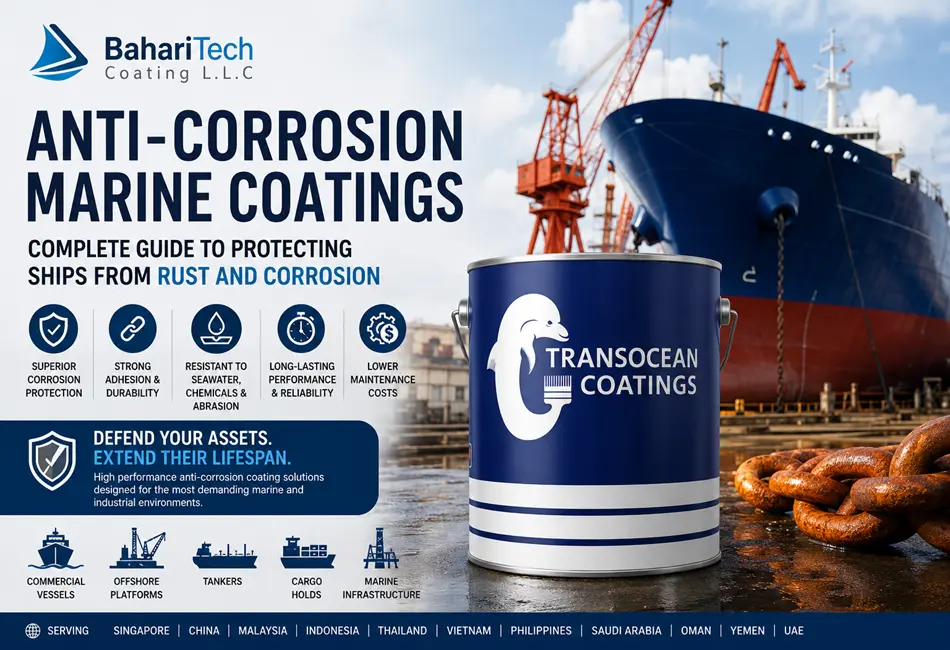
Anti-Corrosion Marine Coatings: Complete Guide to Protecting Ships from Rust and Corrosion
Corrosion is one of the greatest challenges facing the global maritime industry. Every commercial vessel, offshore platform, port facility, and marine steel structure is continuously exposed to harsh environmental conditions that accelerate the deterioration of steel surfaces. Saltwater, oxygen, humidity, ultraviolet radiation, chemicals, and mechanical damage all contribute to corrosion, increasing maintenance costs and reducing the operational lifespan of valuable marine assets.
Without an effective anti-corrosion coating system, steel structures can rapidly develop rust, pitting, and structural deterioration that compromise both safety and operational efficiency. For this reason, anti-corrosion marine coatings have become an essential component of modern shipbuilding, vessel maintenance, offshore energy projects, and industrial marine infrastructure.
Today, marine coating technologies combine advanced primers, epoxy coatings, polyurethane finishes, zinc-rich primers, and specialized protective systems to provide long-term corrosion resistance even in the world’s most aggressive marine environments.
Whether protecting cargo vessels, oil tankers, offshore platforms, ballast tanks, cargo holds, or port infrastructure, selecting the appropriate anti-corrosion coating system is one of the most important investments for reducing lifecycle costs and extending asset service life.
What Are Anti-Corrosion Marine Coatings?
Anti-corrosion marine coatings are specialized protective coating systems designed to prevent corrosion on steel surfaces exposed to marine and industrial environments. These coatings create a durable barrier that isolates steel from moisture, oxygen, saltwater, chemicals, and other corrosive agents responsible for rust formation.
Unlike conventional paints, marine anti-corrosion coatings are engineered to withstand continuous seawater exposure, high humidity, mechanical abrasion, chemical contamination, and extreme weather conditions while maintaining long-term protective performance.
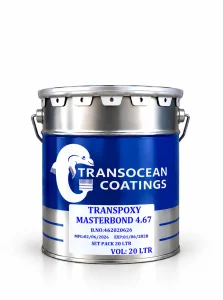
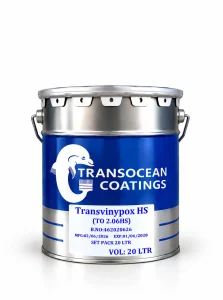
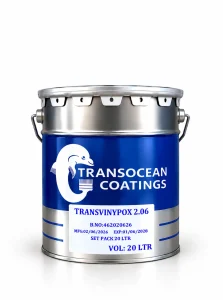
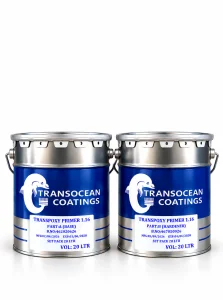
Modern anti-corrosion coating systems are typically composed of multiple layers working together to maximize durability and corrosion protection. A complete system may include zinc-rich primers, epoxy primers, high-build epoxy intermediate coats, and polyurethane topcoats, with each layer serving a specific protective function.
These coating systems are widely used across commercial shipping, offshore oil and gas, marine infrastructure, shipbuilding, industrial manufacturing, and coastal construction projects around the world.
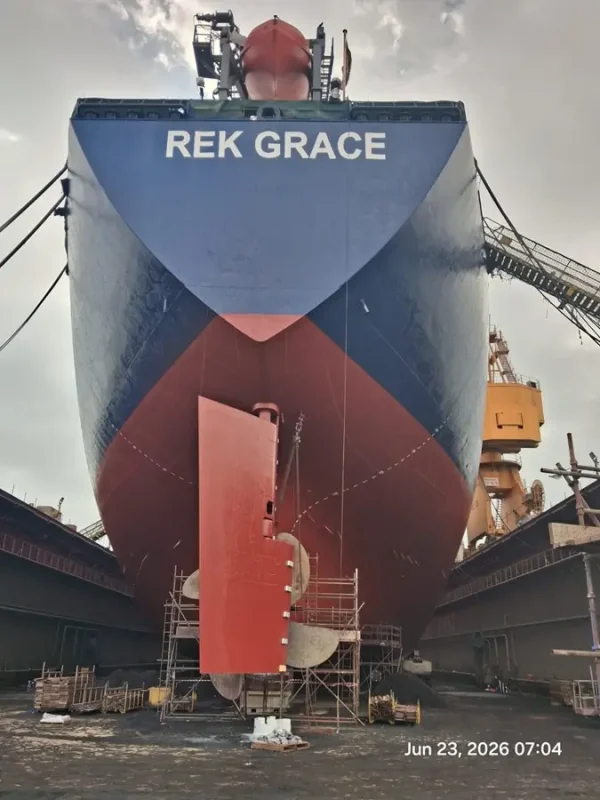
Marine Epoxy Coatings
Why Anti-Corrosion Protection Is Critical for Ships
Ships operate in one of the most aggressive environments on Earth. Continuous exposure to seawater, salt spray, changing temperatures, cargo operations, and atmospheric pollutants accelerates corrosion on both external and internal steel structures.
If corrosion is not effectively controlled, vessel owners may face:
- Structural steel deterioration
- Higher maintenance costs
- More frequent dry docking
- Reduced operational efficiency
- Increased repair expenses
- Shortened vessel lifespan
- Safety risks
- Regulatory compliance issues
High-performance anti-corrosion marine coatings significantly reduce these risks by protecting steel throughout the vessel’s operational life.
What Causes Marine Corrosion?
Marine corrosion is a natural electrochemical process that occurs when steel reacts with oxygen and moisture. In marine environments, this process is accelerated by saltwater and chloride contamination.
Several factors contribute to corrosion:
- Continuous seawater immersion
- Salt spray
- High humidity
- Condensation
- Ultraviolet radiation
- Temperature fluctuations
- Chemical cargo residues
- Mechanical coating damage
- Industrial pollution
- Poor maintenance practices
Because commercial vessels operate in multiple climate zones during a single voyage, coating systems must withstand a wide variety of environmental conditions without losing their protective performance.
Common Types of Marine Corrosion
Uniform Corrosion
Uniform corrosion develops evenly across exposed steel surfaces and is one of the most common forms of corrosion affecting marine structures. Although it progresses gradually, it can lead to significant steel loss if protective coatings fail.
Pitting Corrosion
Pitting corrosion creates small but deep holes in steel surfaces. It often develops beneath damaged coatings and can rapidly weaken structural components while remaining difficult to detect during routine inspections.
Crevice Corrosion
Crevice corrosion occurs in narrow gaps where moisture and chlorides become trapped, creating localized corrosion cells. Bolted joints, welds, flanges, and structural connections are particularly vulnerable.
Galvanic Corrosion
Galvanic corrosion develops when two different metals come into electrical contact in the presence of an electrolyte such as seawater. Proper coating selection and electrical isolation help minimize this type of corrosion.
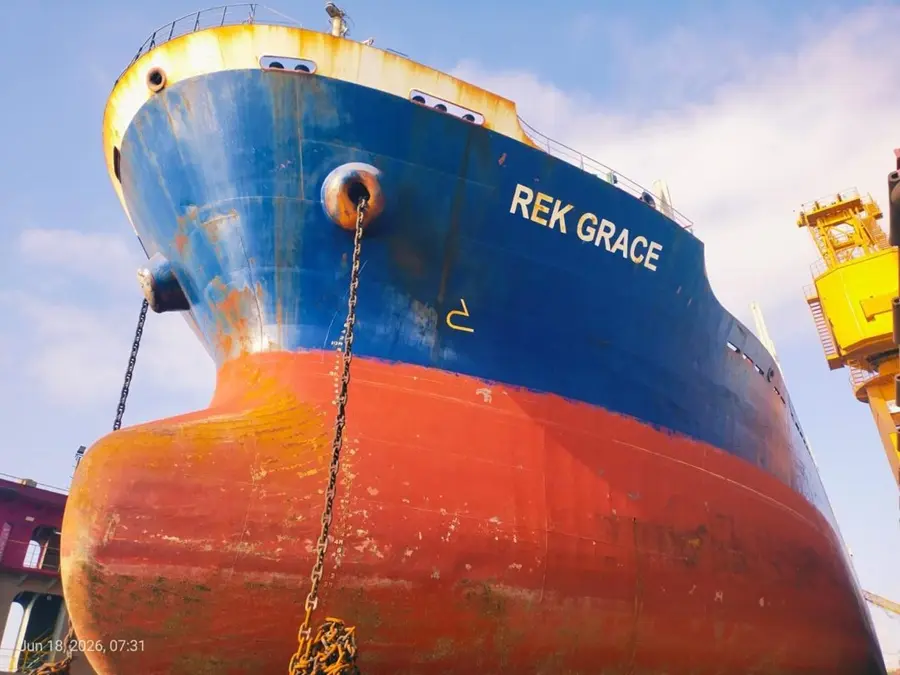
Marine Epoxy Coatings
Microbiologically Influenced Corrosion (MIC)
Certain microorganisms accelerate corrosion by producing corrosive by-products or creating localized chemical environments that attack steel surfaces. MIC is commonly found in ballast tanks, pipelines, and offshore facilities.
Types of Anti-Corrosion Marine Coatings
Zinc Rich Primers
Zinc-rich primers provide sacrificial cathodic protection by allowing zinc particles to corrode before the underlying steel. They are commonly used as the first layer in heavy-duty marine coating systems and offer outstanding long-term corrosion resistance.
Epoxy Marine Coatings
Epoxy coatings provide exceptional adhesion, chemical resistance, and water resistance. They are widely used as primer and intermediate coats for ballast tanks, cargo holds, ship decks, engine rooms, offshore platforms, and industrial steel structures.
Polyurethane Marine Coatings
Polyurethane coatings serve as high-performance topcoats, offering superior UV resistance, gloss retention, color stability, and weather durability. They protect underlying epoxy systems while maintaining an attractive finish.
High-Build Protective Coatings
High-build coating systems increase dry film thickness, providing enhanced protection against corrosion, abrasion, moisture, and mechanical damage in aggressive marine environments.
Specialized Tank Coatings
Dedicated coating systems are available for ballast tanks, potable water tanks, cargo tanks, and chemical storage tanks where long-term resistance to water immersion and chemical exposure is essential.
Where Anti-Corrosion Marine Coatings Are Used
Modern anti-corrosion marine coatings are used throughout the maritime industry to protect critical steel structures from environmental deterioration.
- Commercial vessels
- Container ships
- Bulk carriers
- Oil and chemical tankers
- Ballast tanks
- Cargo holds
- Ship hulls
- Deck equipment
- Offshore platforms
- Marine terminals
- Port infrastructure
- Shipyards
- Industrial steel structures
- Offshore wind farms
- Marine pipelines
As international shipping continues to expand across Singapore, China, Malaysia, Indonesia, Thailand, Vietnam, the Philippines, Saudi Arabia, Oman, Yemen, the United Arab Emirates, and other global maritime markets, anti-corrosion marine coatings remain essential for protecting valuable assets against rust, seawater exposure, and long-term structural degradation.
Benefits of Anti-Corrosion Marine Coatings
Anti-corrosion marine coatings offer far more than simple rust prevention. Modern protective coating systems are engineered to preserve structural integrity, improve operational reliability, and reduce the overall cost of vessel ownership throughout the asset’s service life.
Commercial shipping companies, offshore operators, shipyards, and industrial facilities invest in advanced coating systems because preventing corrosion is significantly more economical than repairing damaged steel structures.
Major benefits include:
- Excellent long-term corrosion protection
- Extended vessel lifespan
- Reduced maintenance costs
- Lower dry dock frequency
- Improved operational efficiency
- Enhanced structural reliability
- Protection against seawater immersion
- Resistance to chemicals and industrial pollutants
- Improved safety standards
- Lower lifecycle ownership costs
Marine Anti-Corrosion Coating Systems
Modern marine protection relies on complete coating systems rather than a single coating layer. Each layer performs a specific function, working together to provide maximum corrosion resistance and long-term durability.
A typical marine anti-corrosion coating system consists of:
| Coating Layer | Main Function |
|---|---|
| Zinc Rich Primer | Cathodic protection for steel surfaces |
| Epoxy Primer | Excellent adhesion and corrosion resistance |
| High-Build Epoxy | Barrier protection and film thickness |
| Polyurethane Topcoat | UV resistance, weather protection, and appearance |
Selecting the appropriate coating system depends on vessel type, operating conditions, cargo requirements, and environmental exposure.
Surface Preparation Before Applying Anti-Corrosion Coatings
The performance of any anti-corrosion coating system depends heavily on proper surface preparation. Even the highest-quality coating cannot provide long-term protection if it is applied over contaminated or poorly prepared steel.
Surface preparation generally includes:
- Abrasive blasting
- Removal of rust and mill scale
- Cleaning oil and grease
- Dust removal
- Salt contamination testing
- Surface profile inspection
- Humidity monitoring
- Steel cleanliness verification
Proper preparation improves coating adhesion and significantly extends coating service life.
Application Process of Anti-Corrosion Marine Coatings
Successful coating application requires trained personnel, controlled environmental conditions, and strict compliance with manufacturer specifications.
The typical application sequence includes:
- Steel inspection
- Surface preparation
- Application of zinc-rich primer
- Application of epoxy primer
- Application of intermediate epoxy coats
- Application of polyurethane topcoat
- Dry film thickness inspection
- Final quality inspection
Following proper application procedures ensures maximum corrosion resistance and long-term coating performance.
Common Causes of Coating Failure
Despite using high-performance coatings, corrosion can still develop if coating systems are improperly applied or poorly maintained.
The most common causes include:
- Insufficient surface preparation
- Incorrect coating thickness
- Improper curing conditions
- Mechanical damage
- Standing seawater
- Chemical contamination
- Poor maintenance practices
- Delayed repair of damaged coatings
Routine inspection and preventive maintenance help minimize these risks while extending coating service life.
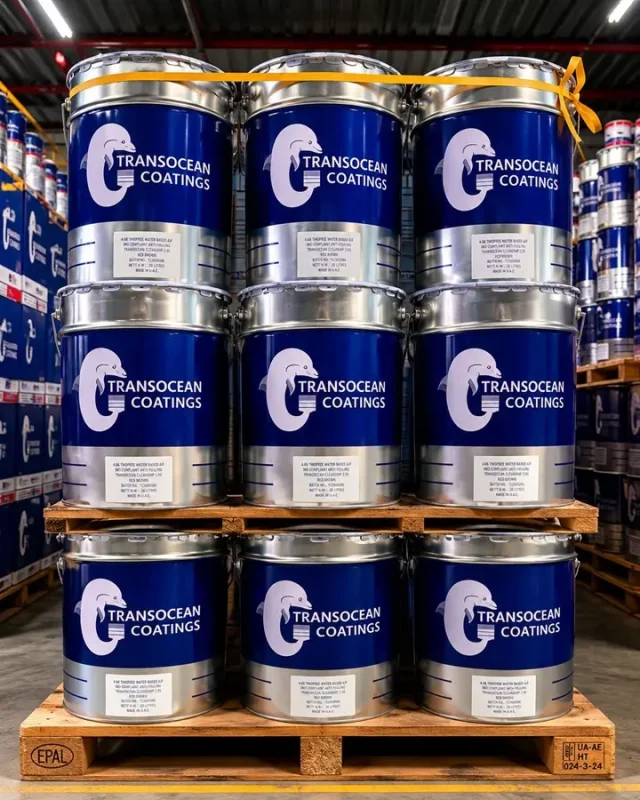
Anti-Corrosion Marine Coatings
Anti-Corrosion Marine Coatings Across Southeast Asia and the Middle East
Demand for anti-corrosion marine coatings continues to increase across Singapore, China, Malaysia, Indonesia, Thailand, Vietnam, the Philippines, Saudi Arabia, Oman, Yemen, and the United Arab Emirates. These regions represent some of the world’s busiest shipping lanes, offshore energy hubs, and shipbuilding industries.
Marine assets operating in tropical climates, high-humidity coastal areas, and salt-rich environments require advanced protective coating systems capable of delivering reliable long-term corrosion resistance.
Ship owners, offshore operators, marine contractors, and industrial companies throughout Southeast Asia and the Middle East rely on modern anti-corrosion coating technologies to reduce maintenance costs, improve operational efficiency, and protect valuable steel structures from aggressive environmental exposure.
Comparison of Common Anti-Corrosion Marine Coatings
| Coating Type | Main Benefit | Typical Applications |
|---|---|---|
| Zinc Rich Primer | Cathodic corrosion protection | Steel preparation |
| Epoxy Coating | Excellent chemical and corrosion resistance | Ballast tanks, cargo holds |
| High-Build Epoxy | Heavy-duty barrier protection | Offshore structures |
| Polyurethane Coating | UV and weather resistance | Exterior topcoat |
Future Trends in Anti-Corrosion Marine Coating Technology
The marine coatings industry continues to develop innovative anti-corrosion technologies focused on sustainability, improved durability, and reduced environmental impact. Manufacturers are investing in low-VOC formulations, faster curing systems, advanced epoxy technologies, environmentally responsible raw materials, and smart protective coatings capable of improving maintenance planning.
As international shipping regulations continue to evolve, modern anti-corrosion marine coatings will play an increasingly important role in protecting ships, offshore structures, marine infrastructure, and industrial facilities while reducing operational costs and extending asset lifespan.
Conclusion
Anti-corrosion marine coatings are one of the most important investments for protecting commercial vessels, offshore structures, marine infrastructure, and industrial steel assets from corrosion and environmental deterioration. By combining advanced zinc-rich primers, epoxy coatings, and polyurethane topcoats into a complete protective coating system, ship owners can significantly reduce maintenance costs, improve operational efficiency, and extend the service life of valuable assets.
Selecting the appropriate anti-corrosion coating system, following proper surface preparation procedures, and implementing regular inspection and maintenance programs are essential for achieving long-term corrosion protection under the demanding conditions of the marine industry.
As global shipping, offshore energy, and marine infrastructure continue to expand across Singapore, China, Malaysia, Indonesia, Thailand, Vietnam, the Philippines, Saudi Arabia, Oman, Yemen, the United Arab Emirates, and other international maritime markets, anti-corrosion marine coatings remain a critical component of sustainable vessel operation and long-term asset protection.
Frequently Asked Questions (FAQ)
What are anti-corrosion marine coatings?
Anti-corrosion marine coatings are specialized protective coating systems designed to prevent rust and corrosion on steel structures exposed to seawater, moisture, chemicals, and harsh marine environments.
Why are anti-corrosion coatings important for ships?
They protect steel structures from corrosion, reduce maintenance costs, extend vessel lifespan, improve operational efficiency, and help maintain compliance with international marine standards.
Which coating provides the best corrosion protection?
A complete marine coating system consisting of zinc-rich primer, epoxy primer, high-build epoxy, and polyurethane topcoat provides the highest level of long-term corrosion protection.
What causes corrosion on ships?
Seawater, oxygen, humidity, salt spray, temperature fluctuations, chemical exposure, mechanical damage, and poor maintenance are the primary causes of marine corrosion.
How long do anti-corrosion marine coatings last?
Service life depends on coating quality, environmental conditions, application methods, and maintenance practices. High-performance coating systems can provide many years of reliable protection when properly maintained.
Are epoxy coatings considered anti-corrosion coatings?
Yes. Marine epoxy coatings are among the most effective anti-corrosion coating systems because they provide excellent adhesion, chemical resistance, and long-term protection against seawater and moisture.
What is the purpose of zinc-rich primers?
Zinc-rich primers provide sacrificial cathodic protection, preventing corrosion by allowing zinc particles to corrode before the underlying steel substrate.
Can anti-corrosion coatings reduce maintenance costs?
Absolutely. Effective coating systems minimize corrosion damage, reduce repair frequency, lower dry dock expenses, and significantly decrease long-term maintenance costs.
Which industries use anti-corrosion marine coatings?
Commercial shipping, offshore oil and gas, shipbuilding, marine infrastructure, ports, industrial manufacturing, offshore renewable energy, and steel fabrication industries all rely on anti-corrosion coating systems.
Are anti-corrosion coatings suitable for tropical marine climates?
Yes. Modern anti-corrosion coating systems are specifically engineered to withstand high humidity, salt-rich atmospheres, intense sunlight, and harsh marine environments commonly found throughout Southeast Asia and the Middle East.
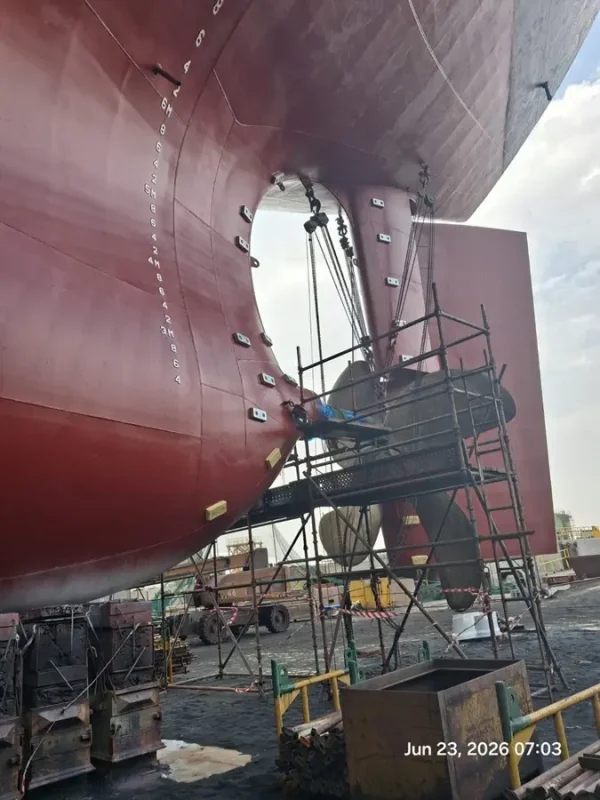
Anti-Corrosion Marine Coatings
Bahari Tech Marine Coating Solutions Across Southeast Asia, China and the Middle East
As international shipping, offshore energy, and marine infrastructure continue to expand, the demand for high-performance anti-corrosion marine coatings continues to grow across global maritime markets.
Bahari Tech supplies premium anti-corrosion marine coatings, marine epoxy coatings, polyurethane coatings, zinc-rich primers, protective coating systems, and industrial marine paint solutions to customers throughout Singapore, China, Malaysia, Indonesia, Thailand, Vietnam, the Philippines, Saudi Arabia, Oman, Yemen, the United Arab Emirates, and other strategic maritime hubs across Southeast Asia and the Middle East.
Our products are trusted by ship owners, shipyards, offshore operators, marine contractors, industrial manufacturers, and infrastructure developers who require reliable coating systems capable of delivering long-term corrosion protection, superior durability, and outstanding operational performance.
Bahari Tech coating solutions are suitable for a wide range of marine and industrial applications, including:
- Commercial vessels
- Cargo ships
- Container vessels
- Bulk carriers
- Oil and chemical tankers
- Offshore platforms
- Ship hulls
- Ballast tanks
- Cargo holds
- Marine terminals
- Port infrastructure
- Industrial steel structures
- Shipbuilding projects
- Offshore energy facilities
- Dry dock maintenance projects
Whether your business operates in Singapore, Shanghai, Kuala Lumpur, Jakarta, Bangkok, Ho Chi Minh City, Manila, Jeddah, Muscat, Aden, Dubai, or other international maritime centers, Bahari Tech can provide reliable anti-corrosion coating systems designed to meet demanding marine and industrial requirements.
With a strong commitment to product quality, technical expertise, and customer support, Bahari Tech helps customers reduce maintenance costs, improve operational efficiency, extend asset lifespan, and comply with international marine coating standards while supporting marine and industrial projects throughout Southeast Asia, China, the Gulf region, and the Middle East.
Request a Quote for Anti-Corrosion Marine Coatings
Protecting steel structures from corrosion begins with selecting the right marine coating system.
Bahari Tech supplies high-performance anti-corrosion marine coatings, zinc-rich primers, epoxy coatings, polyurethane topcoats, and complete protective coating solutions for commercial shipping, offshore industries, shipbuilding projects, and industrial facilities worldwide.
Our technical specialists can help you choose the most suitable coating system based on:
- Vessel type
- Operating environment
- Project specifications
- Corrosion exposure level
- Maintenance strategy
- Expected service life
- International coating standards
Whether you are planning a new shipbuilding project, offshore platform maintenance, ballast tank refurbishment, cargo hold protection, industrial steel protection, or dry dock maintenance, Bahari Tech can provide reliable anti-corrosion coating solutions designed for maximum durability and long-term performance.
⚓ Request a Quote for Anti-Corrosion Marine Coatings
Protecting steel structures from corrosion is essential for maintaining
the safety, reliability, and long-term performance of vessels,
offshore facilities, and marine infrastructure.
Bahari Tech supplies premium
anti-corrosion marine coatings, marine epoxy systems,
polyurethane coatings, and complete protective coating solutions
for ship owners, shipyards, offshore operators,
and industrial projects worldwide.
Our technical specialists can help you select the most suitable coating system
based on your project requirements, operating environment,
maintenance strategy, and long-term asset protection goals.
Contact Bahari Tech today to request a quotation,
receive technical consultation,
or discover our complete range of
anti-corrosion marine coatings
and protective coating systems for international marine
and industrial projects.