
Anti-corrosion Coatings: The Complete Guide to Industrial Corrosion Protection
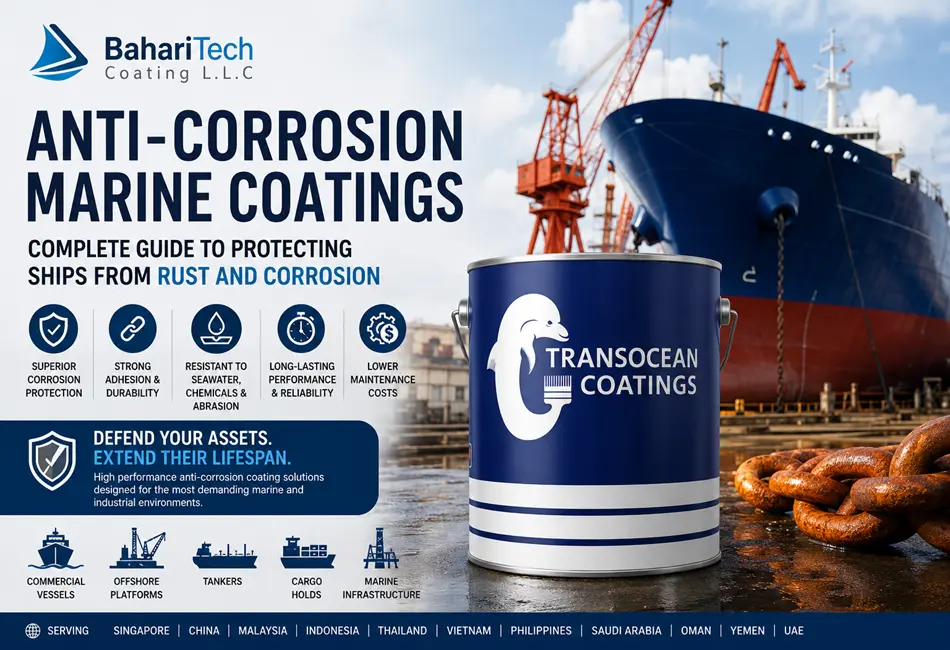
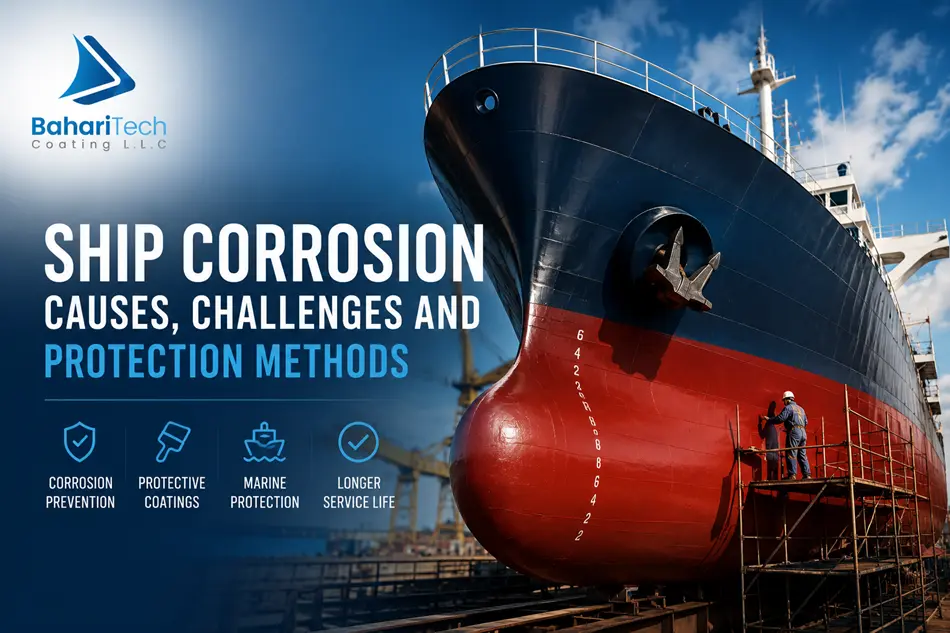
Corrosion is one of the biggest challenges facing industrial facilities, marine structures, offshore platforms, pipelines, steel constructions, and manufacturing equipment. Every year, corrosion causes billions of dollars in repair costs, production downtime, and equipment replacement worldwide. Choosing the right anti-corrosion coatings is not simply about painting a surface—it is about protecting valuable assets, extending service life, reducing maintenance costs, and ensuring operational reliability.
At BahariTech, we provide professional anti-corrosion coating solutions for marine and industrial applications. Our team has successfully supplied and supported protective coating systems for demanding environments across the UAE. We deliver proven coating solutions, assist clients in selecting the right specifications, and ensure every project receives coatings that match international performance standards.
What Are Anti-corrosion Coatings?
Anti-corrosion coatings are specialized protective layers applied to metal, concrete, and industrial surfaces to prevent chemical, electrochemical, and environmental corrosion. These coatings isolate the substrate from moisture, oxygen, salt, chemicals, and UV radiation, significantly increasing the lifespan of industrial assets.
Unlike conventional paints, anti-corrosion coating systems are engineered using advanced resins, pigments, inhibitors, and protective additives that create long-lasting barriers even under severe operating conditions.
Why Anti-corrosion Coatings Are Critical
Without proper corrosion protection, steel structures gradually lose strength, pipelines become vulnerable to leaks, vessels require expensive repairs, and industrial equipment experiences premature failure. Investing in a high-performance coating system dramatically reduces lifecycle costs while improving safety and operational efficiency.
- Protect steel against rust formation
- Reduce maintenance frequency
- Increase equipment service life
- Improve resistance to chemicals
- Protect against seawater exposure
- Enhance structural reliability
- Reduce long-term operating costs
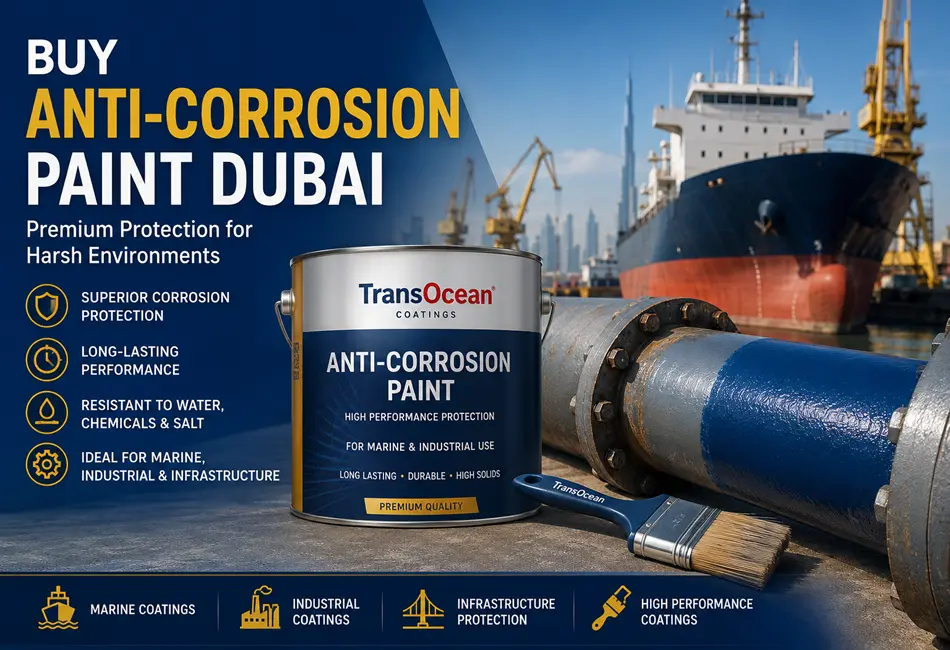
Buy Anti-Corrosion Paint Dubai
Main Causes of Corrosion
Understanding corrosion mechanisms helps in selecting the most suitable coating system. Different environments expose materials to different degradation processes.
| Corrosion Cause | Impact | Recommended Protection |
|---|---|---|
| Salt Water | Rapid steel corrosion | Marine epoxy coatings |
| Humidity | Surface oxidation | Epoxy primer |
| Chemicals | Chemical attack | Chemical resistant epoxy |
| UV Exposure | Coating degradation | Polyurethane topcoat |
| Industrial Pollution | Accelerated corrosion | Multi-layer coating system |
Types of Anti-corrosion Coatings
Epoxy Coatings
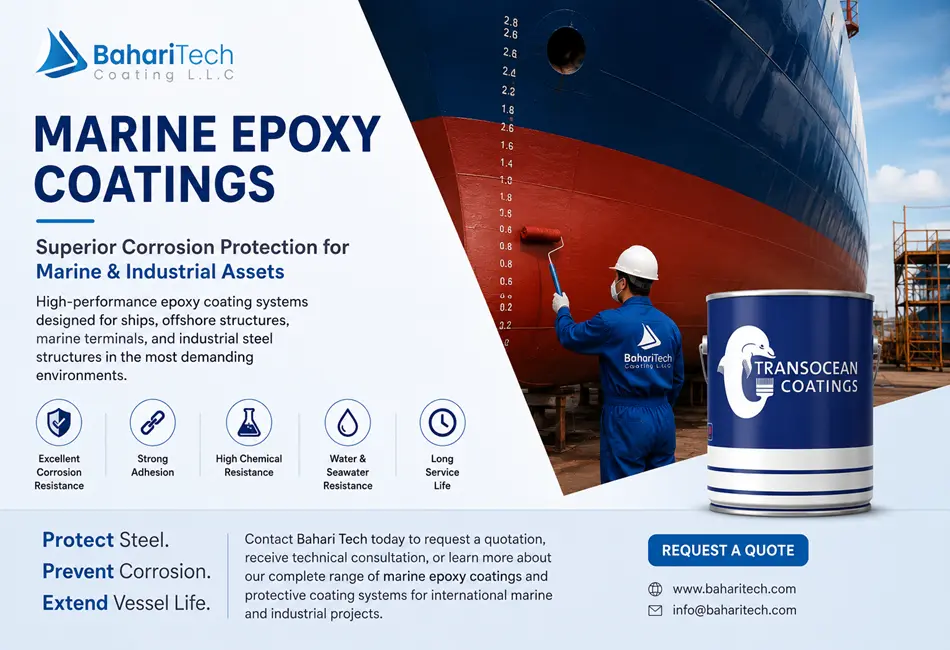
Epoxy coating systems are widely recognized for their outstanding adhesion, chemical resistance, and durability. They form a dense barrier that effectively blocks moisture and corrosive agents from reaching the substrate.
These coatings are commonly used for storage tanks, pipelines, offshore platforms, marine vessels, structural steel, factories, warehouses, and industrial flooring.
Zinc-Rich Primers
Zinc-rich primers provide cathodic protection by sacrificing zinc particles before the steel substrate begins to corrode. They are often selected for heavy-duty industrial structures exposed to aggressive environments.
Polyurethane Coatings
Polyurethane coatings provide exceptional UV resistance, excellent color retention, and superior weatherability. They are commonly applied as finish coats over epoxy primers to create complete long-term protection systems.
Acrylic Protective Coatings
Acrylic systems are suitable for moderate industrial environments where appearance and weather resistance are important. They offer fast drying times and simplified maintenance.
Alkyd Coatings
Alkyd coatings remain an economical solution for light industrial applications where exposure conditions are less severe than marine or chemical environments.
Where Anti-corrosion Coatings Are Used
Modern industries rely heavily on corrosion-resistant coating technologies to maximize equipment reliability and reduce operational risks.
- Marine vessels
- Shipbuilding
- Offshore platforms
- Oil & Gas facilities
- Industrial plants
- Storage tanks
- Water treatment facilities
- Power stations
- Steel bridges
- Manufacturing plants
- Warehouses
- Pipeline networks
How to Choose the Right Anti-corrosion Coating
Selecting the correct coating requires evaluating the operating environment, expected service life, substrate type, exposure conditions, maintenance schedule, and project budget. A coating suitable for indoor steel structures may fail rapidly in offshore marine environments.
- Identify the substrate material.
- Determine environmental exposure.
- Assess chemical resistance requirements.
- Define expected service life.
- Select the correct primer.
- Choose the appropriate intermediate coat.
- Apply a compatible topcoat.
- Verify coating thickness specifications.
Performance Comparison of Common Anti-corrosion Coatings
| Coating Type | Chemical Resistance | UV Resistance | Marine Use | Expected Durability |
|---|---|---|---|---|
| Epoxy | Excellent | Moderate | Excellent | Very High |
| Polyurethane | Very Good | Excellent | Excellent | Very High |
| Acrylic | Moderate | Good | Moderate | Medium |
| Alkyd | Basic | Moderate | Limited | Medium |
| Zinc Primer | Excellent | Depends on Topcoat | Excellent | Very High |
Surface Preparation Before Applying Anti-corrosion Coatings
Even the highest-quality anti-corrosion coating cannot deliver its expected performance if the surface preparation is inadequate. Industry studies consistently show that more than 70% of coating failures are directly related to poor surface preparation rather than coating quality.
Proper preparation removes contaminants, creates the required surface profile, and allows the coating to bond effectively with the substrate. This significantly improves adhesion, corrosion resistance, and the overall service life of the protective system.
Recommended Surface Preparation Steps
- Inspect the substrate for rust, oil, grease, and existing coating damage.
- Remove contaminants using suitable cleaning agents.
- Perform abrasive blasting where required.
- Achieve the specified surface cleanliness according to project standards.
- Measure surface profile and roughness.
- Ensure the surface is completely dry before coating.
- Apply the primer within the recommended time after blasting.
Application Methods for Anti-corrosion Coatings
The application method has a direct impact on coating quality, thickness consistency, and long-term durability. Selecting the appropriate technique depends on project size, coating type, substrate geometry, and environmental conditions.
| Application Method | Best For | Main Advantage |
|---|---|---|
| Airless Spray | Large industrial projects | Fast application and uniform thickness |
| Conventional Spray | Complex geometries | Smooth finish |
| Roller | Medium-sized flat surfaces | Simple and economical |
| Brush | Edges and repairs | Excellent detail coverage |
Benefits of High-Performance Anti-corrosion Coatings
Investing in premium coating systems offers measurable operational and financial advantages. While high-performance coatings may involve a higher initial investment, they significantly reduce maintenance costs and equipment downtime throughout the asset lifecycle.
- Long-term corrosion protection
- Reduced maintenance intervals
- Lower total ownership cost
- Excellent adhesion to steel surfaces
- Outstanding resistance to seawater and chemicals
- Improved operational safety
- Extended asset service life
- Better appearance retention
- Reduced production interruptions
Common Mistakes When Selecting Anti-corrosion Coatings
Choosing a coating solely based on price often leads to premature failure and significantly higher maintenance expenses. A complete coating system should always be selected based on environmental exposure, service conditions, and technical specifications rather than initial cost alone.
- Ignoring environmental conditions
- Selecting incompatible primer and topcoat combinations
- Applying insufficient coating thickness
- Poor surface preparation
- Ignoring curing time requirements
- Using decorative paint instead of protective coatings
- Choosing products without technical support
Anti-Corrosion Paint
Factors Affecting Anti-corrosion Coating Performance
| Factor | Effect on Performance |
|---|---|
| Surface Preparation | Very High |
| Coating Thickness | Very High |
| Environmental Exposure | High |
| Application Quality | Very High |
| Curing Conditions | High |
| Product Quality | Critical |
How to Select the Best Anti-corrosion Coating for Your Industry
Every industry faces different corrosion challenges. Marine vessels encounter continuous saltwater exposure, while chemical plants require resistance against aggressive chemicals. Selecting the correct coating system requires technical evaluation rather than relying on generic product recommendations.
| Industry | Recommended System |
|---|---|
| Marine | Epoxy Primer + Epoxy Intermediate + Polyurethane Finish |
| Oil & Gas | Zinc Rich Primer + High Build Epoxy |
| Chemical Plants | Chemical Resistant Epoxy |
| Steel Structures | Epoxy + Polyurethane System |
| Storage Tanks | High Build Epoxy Coating |
| Power Plants | Zinc Primer + Epoxy System |
Why Choose BahariTech?
At BahariTech, we specialize in supplying advanced marine paints, industrial coatings, epoxy systems, and anti-corrosion solutions for demanding industrial environments across the UAE. We have successfully supported projects involving marine infrastructure, industrial facilities, steel structures, and heavy-duty protective coating systems.
Our technical team evaluates project requirements, recommends suitable coating systems, and helps clients achieve maximum durability with internationally recognized products. We are committed to delivering reliable coating solutions that improve equipment longevity, reduce maintenance costs, and ensure long-term protection.
Whether you require epoxy coatings, polyurethane finishes, zinc-rich primers, marine coating systems, or complete anti-corrosion specifications, our specialists provide practical recommendations based on actual operating conditions rather than generic product selection.
Factors That Influence Anti-corrosion Coating Costs
The cost of an anti-corrosion coating project depends on multiple technical factors. Looking only at the material price can be misleading because installation quality and system design have a much greater impact on lifecycle costs.
- Type of coating system
- Surface preparation requirements
- Project size
- Application method
- Required dry film thickness
- Environmental conditions
- Inspection and quality control requirements
- Maintenance expectations
Frequently Asked Questions About Anti-corrosion Coatings
What are anti-corrosion coatings used for?
Anti-corrosion coatings are designed to protect metal and industrial surfaces from rust, moisture, chemicals, saltwater, and environmental damage. They are widely used in marine, oil & gas, construction, manufacturing, and infrastructure projects.
Which anti-corrosion coating is best for marine environments?
For marine applications, a multi-layer system consisting of an epoxy primer, high-build epoxy intermediate coat, and polyurethane topcoat provides excellent resistance to seawater, abrasion, and harsh weather conditions.
How long do anti-corrosion coatings last?
The lifespan depends on the coating system, surface preparation, and operating environment. High-quality industrial anti-corrosion coatings can provide reliable protection for 10 to 25 years when correctly applied and maintained.
How do I choose the right anti-corrosion coating?
The best anti-corrosion coating depends on the substrate, environmental exposure, chemical resistance requirements, and expected service life. Consulting coating specialists helps ensure the most suitable system is selected.
Can anti-corrosion coatings reduce maintenance costs?
Yes. High-performance anti-corrosion coatings significantly reduce corrosion-related repairs, minimize equipment downtime, and lower long-term maintenance and replacement costs for industrial assets.
What industries benefit most from anti-corrosion coatings?
Industries such as marine, offshore, oil & gas, petrochemical, power generation, water treatment, construction, and heavy manufacturing rely on anti-corrosion coatings to extend equipment life and improve operational reliability.
Why choose BahariTech for anti-corrosion coating solutions?
BahariTech supplies professional marine and industrial coating systems across the UAE. Our team evaluates project requirements, recommends suitable anti-corrosion coatings, and delivers reliable solutions that maximize durability, reduce maintenance costs, and protect valuable industrial assets.