




Epoxy Coating Supplier UAE

Anti-Corrosion Coating Supplier UAE
Ballast Tank Coatings: Complete Guide to Corrosion Protection and Vessel Safety
What Are Antifouling Coatings and Why Are They Important for Ships?
Antifouling Coatings: The Complete Guide to Marine Protection, Performance and Cost Savings
Antifouling coatings are among the most important protective systems used in the marine industry. Whether for commercial vessels, yachts, offshore platforms, fishing boats, or naval fleets, biofouling can significantly reduce performance, increase fuel consumption, accelerate corrosion, and raise maintenance costs. A high-quality antifouling coating provides long-term protection against marine organisms while helping vessels maintain operational efficiency.
As marine industries continue to seek greater efficiency and sustainability, antifouling coatings have evolved into highly engineered solutions designed to combat complex marine environments. Choosing the right coating system can dramatically improve vessel performance, reduce downtime, and extend asset lifespan.
At BahariTech, we help marine operators, ship owners, and industrial clients select and implement advanced coating systems. We have successfully supplied and supported marine coating projects and ensure that clients receive reliable solutions tailored to their operational requirements.
What Are Antifouling Coatings?
Antifouling coatings are specialized protective paints applied to submerged surfaces of vessels and marine structures. Their primary function is to prevent the attachment and growth of marine organisms such as algae, barnacles, mussels, and slime.
Without effective protection, these organisms accumulate on hull surfaces and create significant drag in the water. This results in higher fuel consumption, slower vessel speeds, increased emissions, and more frequent maintenance requirements.
Modern antifouling technologies combine advanced polymers, biocides, and controlled-release mechanisms to provide long-term protection while meeting environmental regulations.
Why Antifouling Coatings Are Essential
Biofouling begins almost immediately after a vessel enters the water. Within days, microorganisms form a slime layer. Over time, larger marine organisms attach to the surface and create extensive fouling.
Research from maritime organizations shows that severe hull fouling can increase fuel consumption by more than 30%. This directly impacts operating costs and environmental performance.
An effective antifouling coating system helps operators maintain efficiency while reducing maintenance expenses and improving vessel reliability.
Key Benefits of Antifouling Coatings
- Reduced fuel consumption
- Improved vessel speed and efficiency
- Lower maintenance costs
- Extended dry-docking intervals
- Reduced greenhouse gas emissions
- Enhanced corrosion protection
- Longer service life for marine assets
- Improved operational reliability
How Antifouling Coatings Work
Antifouling coatings function by preventing marine organisms from permanently attaching to submerged surfaces. Different technologies achieve this goal using different mechanisms.
Some coatings gradually release active ingredients that discourage biological growth. Others create ultra-smooth surfaces that make it difficult for organisms to remain attached when vessels move through water.
The selection of coating technology depends on vessel type, operational profile, water conditions, environmental requirements, and maintenance schedules.
Types of Antifouling Coatings
Self-Polishing Copolymer (SPC) Coatings
SPC coatings are among the most widely used antifouling technologies in commercial shipping. These coatings gradually wear away in a controlled manner, continuously exposing fresh active material.
This self-renewing process ensures consistent antifouling performance throughout the coating's service life. SPC systems are particularly effective for vessels operating regularly at sea.
Hard Antifouling Coatings
Hard antifouling coatings create a durable surface that resists abrasion and mechanical damage. They are commonly used on fast vessels, patrol boats, and racing yachts.
Although they do not self-polish like SPC coatings, they provide excellent durability and can withstand frequent cleaning procedures.
Hybrid Antifouling Coatings
Hybrid coatings combine characteristics of self-polishing and hard coating technologies. These systems offer a balance between durability and antifouling effectiveness.
They are often selected for vessels that require versatile performance under varying operational conditions.
Foul Release Coatings
Foul release coatings utilize advanced silicone or fluoropolymer technology. Instead of killing organisms, they create extremely smooth surfaces that minimize adhesion.
When the vessel moves through water, attached organisms are easily washed away. These coatings are increasingly popular due to environmental considerations.
Comparison of Major Antifouling Technologies
| Coating Type | Durability | Fuel Efficiency | Maintenance | Best Application |
|---|---|---|---|---|
| SPC | High | Excellent | Low | Commercial Ships |
| Hard Coating | Very High | Good | Medium | Fast Boats |
| Hybrid | High | Very Good | Medium | Mixed Operations |
| Foul Release | High | Excellent | Low | Eco-Friendly Fleets |
Applications of Antifouling Coatings
Antifouling coatings are used across numerous marine sectors. Each application requires specific coating characteristics based on operational demands.
Commercial Shipping
Large cargo vessels rely on advanced antifouling systems to maintain fuel efficiency during long voyages. Even small reductions in hull drag can generate significant savings.
Offshore Platforms
Offshore structures remain submerged for extended periods and face constant exposure to marine growth. Specialized coatings reduce maintenance requirements and improve structural integrity.
Fishing Vessels
Fishing fleets benefit from improved maneuverability, reduced fuel costs, and longer intervals between maintenance operations.
Yachts and Recreational Boats
Private vessel owners use antifouling coatings to preserve appearance, improve performance, and reduce cleaning requirements.
Factors Affecting Antifouling Performance
Several variables influence the effectiveness of an antifouling system. Understanding these factors is essential for selecting the correct coating.
- Water temperature
- Salinity levels
- Vessel operating speed
- Time spent stationary
- Hull material
- Application quality
- Maintenance practices
- Local marine species
A coating that performs exceptionally in one region may require modification in another due to environmental differences.
Common Mistakes When Choosing Antifouling Coatings
Selecting Based Only on Price
Low-cost coatings often result in higher lifecycle expenses due to reduced durability and more frequent maintenance requirements.
Ignoring Operating Conditions
Different vessels have different operational profiles. Choosing a coating without considering speed, route, and usage patterns can lead to poor performance.
Improper Surface Preparation
Even the best coating system cannot compensate for inadequate surface preparation. Proper cleaning and priming are essential for long-term success.
Using Incompatible Coating Systems
Compatibility between primers, intermediates, and antifouling layers must be verified before application.
Step-by-Step Antifouling Coating Application Process
- Inspect the hull condition.
- Remove old fouling and contaminants.
- Repair damaged areas.
- Prepare the surface according to specifications.
- Apply the recommended primer.
- Apply intermediate coats if required.
- Apply antifouling topcoat.
- Verify dry film thickness.
- Perform final inspection.
- Launch according to coating guidelines.
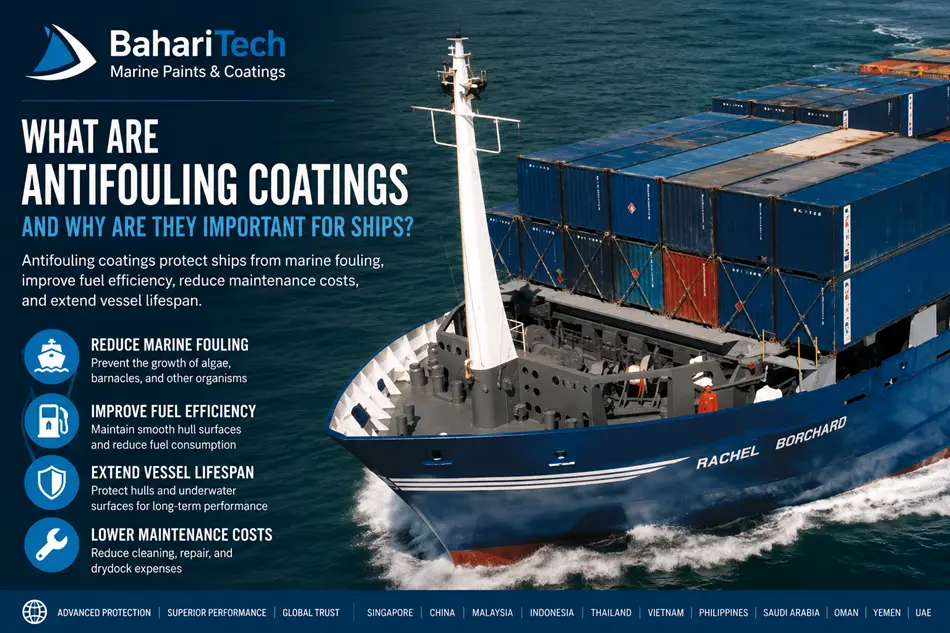
[caption id="attachment_30960" align="aligncenter" width="600"]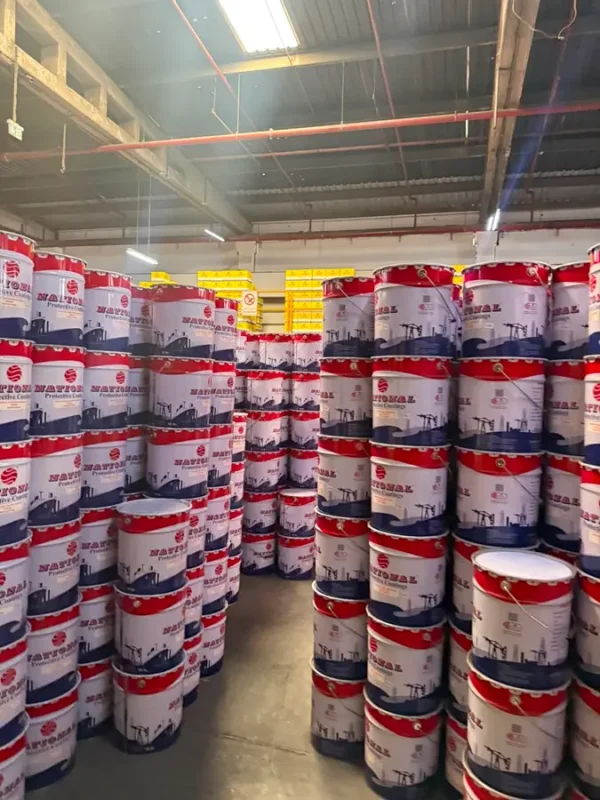 What Are Antifouling Coatings and Why Are They Important for Ships?[/caption]
Antifouling Coating Costs
The total cost of an antifouling system depends on vessel size, coating technology, labor requirements, surface condition, and expected service life.
While premium coatings may involve higher initial investment, they often deliver substantial savings through lower fuel consumption and reduced maintenance costs.
| Cost Factor | Impact Level |
|---|---|
| Vessel Size | High |
| Surface Preparation | High |
| Coating Technology | High |
| Labor Costs | Medium |
| Environmental Conditions | Medium |
| Maintenance Cycle | Medium |
Why Professional Coating Selection Matters
Choosing the right antifouling system requires technical expertise and practical experience. Marine operators must evaluate vessel usage, environmental conditions, regulatory requirements, and budget considerations.
At BahariTech, we assist clients in identifying optimal coating solutions for marine and industrial applications. We have supported coating projects across various sectors and help customers maximize performance while minimizing operational costs.
Our team evaluates technical requirements, recommends suitable products, and supports implementation to ensure long-term protection and reliability.
Future Trends in Antifouling Technology
The marine coatings industry continues to innovate in response to environmental regulations and operational demands. New technologies focus on reducing environmental impact while maintaining superior performance.
Advanced foul-release coatings, smart polymers, nanotechnology-based systems, and environmentally responsible formulations are expected to play an increasingly important role in the future of marine protection.
Antifouling coatings are essential for protecting marine assets, reducing fuel consumption, improving operational efficiency, and extending service life. Selecting the appropriate coating system requires careful evaluation of operational conditions, environmental factors, and performance objectives.
Whether for commercial vessels, offshore structures, fishing fleets, or recreational boats, investing in a high-quality antifouling solution delivers measurable long-term value. The right coating not only protects assets but also contributes to sustainability, reliability, and profitability.
Looking for the best antifouling coating solution
for your vessel or marine project?
BahariTech provides professional guidance,
marine coating expertise, and access to high-performance coating systems.
Our specialists help vessel owners, shipyards,
offshore operators, and marine contractors select
the most effective antifouling systems to improve efficiency,
reduce hull fouling, and support long-term asset protection.
Contact our team today to identify the most effective solution
for your operational requirements and long-term asset protection goals.
Frequently Asked Questions
What is the best antifouling paint for marine vessels?
The best antifouling paint depends on vessel type, operating profile, and environmental conditions. SPC coatings are often preferred for commercial vessels.
How long do antifouling coatings last?
Most high-performance systems provide protection between 2 and 5 years depending on operating conditions and maintenance practices.
Why are antifouling coatings important?
They prevent marine growth, improve fuel efficiency, reduce maintenance costs, and extend vessel service life.
Can antifouling coatings reduce fuel consumption?
Yes. A clean hull can significantly reduce drag and improve fuel efficiency by minimizing marine growth.
How much does antifouling coating application cost?
Costs vary based on vessel size, surface condition, coating type, and labor requirements.
Are environmentally friendly antifouling coatings available?
Yes. Modern foul-release and low-emission technologies offer environmentally responsible alternatives.
Where can I buy professional marine coatings in UAE?
BahariTech supports customers seeking high-performance marine coatings, industrial coatings, and antifouling solutions throughout the UAE.