

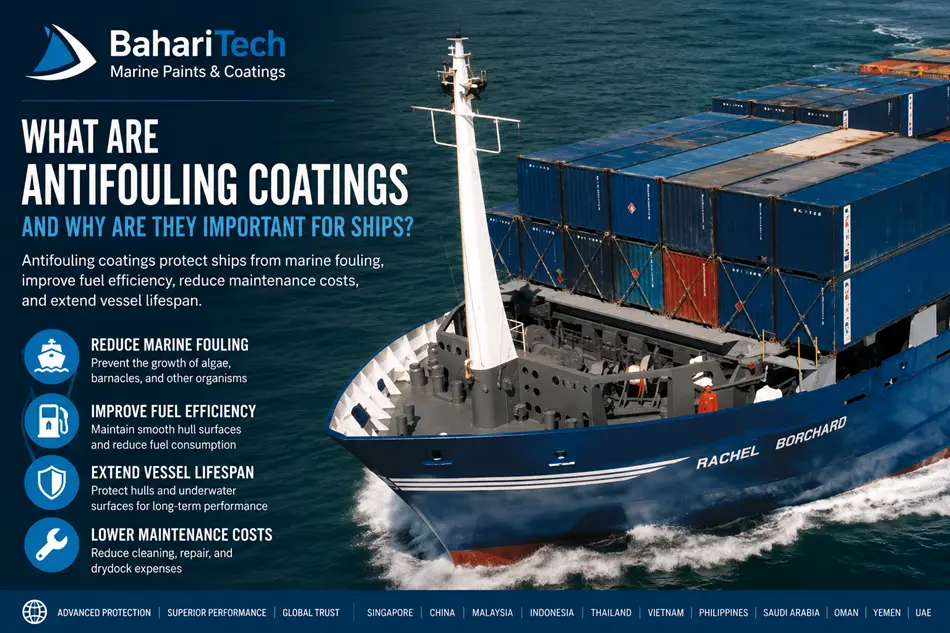
What Are Antifouling Coatings and Why Are They Important for Ships?
Marine vessels constantly operate in environments where algae, barnacles, mussels, slime, and other marine organisms naturally attach themselves to submerged surfaces. Over time, this accumulation—known as marine fouling—can significantly affect vessel performance, fuel efficiency, and maintenance costs.
To combat these challenges, ship owners and operators rely on antifouling coatings. These specialized marine coatings are designed to prevent or reduce the attachment of marine organisms to underwater hull surfaces, helping vessels maintain optimal performance throughout their service life.
Today, antifouling coatings are considered one of the most important components of modern marine coating systems and play a crucial role in protecting vessels operating in international shipping routes.
What Are Antifouling Coatings?
Antifouling coatings are specialized marine paints applied below the waterline of ships, offshore structures, and marine equipment.
Their primary purpose is to prevent the growth and attachment of:
- Barnacles
- Algae
- Seaweed
- Mussels
- Slime
- Marine microorganisms
Without antifouling protection, marine growth can rapidly accumulate on hull surfaces and negatively impact vessel performance.
What Is Marine Fouling?
Marine fouling refers to the accumulation of biological organisms on submerged surfaces.
The fouling process generally develops in stages:
Initial Slime Formation
A thin biological film forms on the submerged surface.
Algae Growth
Microscopic organisms begin attaching to the slime layer.
Macrofouling Development
Larger organisms such as barnacles and mussels establish themselves on the hull.
Over time, these organisms create a rough surface that increases hydrodynamic resistance.
What Are Antifouling Coatings and Why Are They Important for Ships?
Why Is Marine Fouling a Serious Problem?
Marine fouling can create significant operational challenges.
Increased Fuel Consumption
A rough hull surface creates additional drag, forcing engines to work harder.
In many cases, severe fouling can increase fuel consumption by more than 20%.
Reduced Vessel Speed
Marine growth slows vessels by increasing resistance through the water.
Higher Maintenance Costs
Removing fouling often requires expensive cleaning operations and drydock maintenance.
Increased Emissions
Higher fuel consumption directly increases greenhouse gas emissions.
Greater Operational Costs
Shipping companies may experience significant financial losses due to increased fuel expenses and reduced efficiency.
How Antifouling Coatings Work
Antifouling coatings are engineered to discourage marine organisms from attaching to hull surfaces.
Different technologies achieve this in different ways.
Self-Polishing Coatings
These coatings gradually wear away during vessel operation, continuously exposing a fresh active surface.
Benefits include:
- Consistent performance
- Reduced fouling accumulation
- Extended service intervals
Controlled Depletion Coatings
These coatings slowly release active ingredients over time to prevent marine growth.
Fouling Release Coatings
Instead of killing organisms, these coatings create ultra-smooth surfaces that make it difficult for marine life to attach.
Benefits of Antifouling Coatings
High-performance antifouling systems provide numerous advantages:
- Reduced fuel consumption
- Improved vessel speed
- Lower maintenance costs
- Reduced drydock frequency
- Extended vessel service life
- Lower emissions
- Improved operational efficiency
- Enhanced environmental performance
Antifouling Coatings and Fuel Efficiency
One of the most significant benefits of antifouling coatings is fuel savings.
A smooth hull surface allows water to flow more efficiently around the vessel.
As marine growth increases, drag increases significantly.
Modern antifouling systems help maintain smoother hull surfaces, resulting in:
- Lower fuel consumption
- Reduced operating costs
- Improved vessel performance
- Reduced carbon footprint
For large commercial vessels, fuel savings alone can justify the investment in advanced antifouling technologies.
Choosing the Right Antifouling Coating
Several factors influence coating selection.
Vessel Type
Different vessels have different operational requirements.
Trading Routes
Ships operating in tropical waters typically experience faster fouling growth.
Drydock Interval
Longer maintenance intervals require more advanced coating technologies.
Environmental Regulations
Modern coatings must comply with international environmental standards.
What Are Antifouling Coatings and Why Are They Important for Ships?
Antifouling Solutions for Southeast Asia and Middle Eastern Waters
Vessels operating in Singapore, China, Malaysia, Indonesia, Thailand, Vietnam, the Philippines, Saudi Arabia, Oman, Yemen, and other major maritime markets often face aggressive fouling conditions due to warm waters and high biological activity.
These environments require advanced antifouling technologies capable of maintaining long-term performance under demanding operating conditions.
Bahari Tech supplies marine coating solutions designed to support ship owners, offshore operators, shipyards, and marine contractors throughout Southeast Asia, the Gulf region, and international maritime markets.
Our coating systems help customers improve fuel efficiency, reduce maintenance costs, and extend vessel service life while meeting international marine coating standards.
Antifouling coatings play a critical role in modern vessel maintenance and operational efficiency. By preventing marine growth, reducing drag, and improving fuel economy, these coatings provide substantial economic and environmental benefits for ship owners and operators.
As global shipping continues to focus on efficiency and sustainability, high-performance antifouling systems remain one of the most valuable investments in long-term vessel protection.
Common Types of Marine Fouling
Understanding the different forms of marine fouling helps ship operators choose the most effective antifouling solution.
Microfouling
Microfouling refers to the initial formation of biofilms, bacteria, and slime layers on submerged surfaces.
Although these organisms are microscopic, they create conditions that encourage larger marine organisms to attach to the hull.
Soft Fouling
Soft fouling includes:
- Algae
- Seaweed
- Soft marine vegetation
These organisms can spread rapidly in warm coastal waters and increase hull roughness.
Hard Fouling
Hard fouling consists of larger marine organisms such as:
- Barnacles
- Mussels
- Tube worms
- Shell-forming species
Hard fouling creates significant drag and is often difficult to remove without specialized cleaning procedures.
Economic Impact of Marine Fouling
Marine fouling directly affects vessel profitability.
Even moderate fouling can result in:
- Increased fuel consumption
- Reduced vessel speed
- Higher maintenance costs
- Increased drydock frequency
- Reduced operational efficiency
For large commercial fleets, the financial impact of hull fouling can amount to substantial annual expenses.
Investing in high-performance antifouling systems helps minimize these costs while improving vessel performance.
Antifouling Coatings for Commercial Shipping
Commercial vessels rely heavily on antifouling protection to maintain competitiveness and efficiency.
Common vessel types requiring antifouling systems include:
Container Ships
These vessels operate on fixed international routes and require smooth hull surfaces to maximize fuel efficiency.
Oil and Gas Tankers
Tankers often operate continuously for long periods, making durable antifouling systems essential.
Bulk Carriers
Bulk carriers frequently visit ports with varying environmental conditions and require reliable fouling protection.
Offshore Support Vessels
Offshore vessels face continuous exposure to marine growth and benefit significantly from advanced antifouling technologies.
Antifouling Protection in Tropical Waters
Marine fouling develops more rapidly in warm-water regions.
Countries such as:
- Singapore
- Malaysia
- Indonesia
- Thailand
- Vietnam
- The Philippines
are known for high biological activity and accelerated fouling growth.
Ships operating in these regions often require advanced antifouling systems that can maintain performance over extended service intervals.
Regular inspections and proper coating selection are critical for vessels trading throughout Southeast Asia.
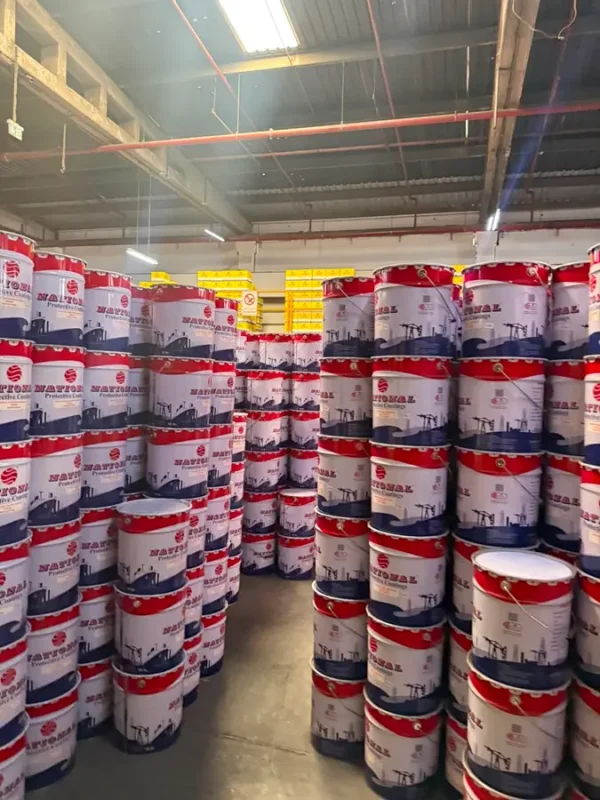
What Are Antifouling Coatings
Antifouling Solutions for Gulf and Middle Eastern Waters
Vessels operating in Saudi Arabia, Oman, Yemen, the UAE, and surrounding Gulf waters face unique environmental challenges.
Factors influencing coating performance include:
- High water temperatures
- Elevated salinity levels
- Intense sunlight exposure
- Heavy commercial shipping traffic
Advanced antifouling systems help vessel operators maintain fuel efficiency and reduce maintenance costs in these demanding conditions.
Bahari Tech supplies marine coating solutions suitable for vessels operating throughout the Gulf region and international maritime markets.
Comparing Antifouling Technologies
| Antifouling Technology | Main Advantage | Typical Service Life |
|---|---|---|
| Self-Polishing Coatings | Consistent performance | Long-term |
| Controlled Depletion Coatings | Reliable fouling control | Medium to long-term |
| Fouling Release Coatings | Environmentally friendly | Long-term |
| Hybrid Antifouling Systems | Balanced performance | Extended service intervals |
Selecting the right technology depends on vessel type, operating routes, environmental conditions, and maintenance schedules.
Best Practices for Maximizing Antifouling Performance
Ship operators can improve coating performance by following several key practices:
Proper Surface Preparation
Surface preparation remains critical for coating adhesion and long-term performance.
Correct Application Procedures
Following manufacturer recommendations ensures optimal coating effectiveness.
Regular Hull Inspections
Routine inspections help identify damage before fouling becomes a major problem.
Scheduled Maintenance
Preventive maintenance reduces repair costs and extends coating lifespan.
Selecting the Right Coating System
The most effective antifouling solution depends on vessel operations, trading routes, and environmental conditions.
The Future of Antifouling Technology
The marine industry continues to develop more sustainable antifouling technologies.
Future innovations are expected to focus on:
- Reduced environmental impact
- Improved fuel-saving performance
- Longer maintenance intervals
- Advanced fouling-release technologies
- Smart coating systems
- Compliance with evolving international regulations
As shipping companies seek greater efficiency and sustainability, modern antifouling coatings will continue to play a vital role in vessel performance and environmental responsibility.
Environmental Regulations and Modern Antifouling Coatings
The maritime industry is facing increasing pressure to reduce environmental impact while maintaining operational efficiency.
As a result, modern antifouling technologies are continuously evolving to meet stricter international regulations and sustainability goals.
Today’s advanced coating systems focus on:
- Lower environmental impact
- Reduced harmful emissions
- Improved fuel efficiency
- Longer service life
- Reduced maintenance requirements
Ship owners increasingly seek coating solutions that balance environmental responsibility with high performance.
The Relationship Between Antifouling Coatings and Carbon Emissions
One of the biggest challenges facing the global shipping industry is reducing greenhouse gas emissions.
Hull fouling directly affects a vessel’s fuel consumption and carbon footprint.
When marine growth accumulates on a ship’s hull:
- Water resistance increases
- Engine load increases
- Fuel consumption rises
- Carbon emissions increase
A properly maintained antifouling coating helps vessels operate more efficiently and supports global efforts to reduce emissions.
This is particularly important for vessels operating on major international routes connecting Asia, the Middle East, and Europe.
Why Shipyards Recommend Antifouling Systems
Modern shipyards consider antifouling coatings an essential part of vessel protection programs.
Benefits include:
Improved Hull Performance
Smooth surfaces improve hydrodynamic efficiency.
Reduced Operating Costs
Fuel savings often provide a significant return on investment.
Extended Drydock Intervals
Advanced coating technologies help maintain performance for longer periods.
Better Asset Protection
Antifouling systems work alongside anti-corrosion coatings to protect vessel structures.
Antifouling Coatings for Offshore Structures
Antifouling protection is not limited to ships.
Many offshore structures require protection against marine growth, including:
- Offshore platforms
- Floating production units
- Subsea structures
- Marine terminals
- Offshore wind installations
These assets often operate continuously in highly aggressive marine environments and benefit significantly from advanced fouling-control technologies.
Why Professional Coating Selection Matters
Not all antifouling coatings are suitable for every vessel.
Several factors must be considered:
| Selection Factor | Importance |
|---|---|
| Vessel Type | Determines operational profile |
| Trading Route | Influences fouling intensity |
| Water Temperature | Affects marine growth rates |
| Drydock Schedule | Determines coating lifespan requirements |
| Environmental Regulations | Influences coating technology selection |
Professional technical support helps ensure the correct coating system is selected for each application.
Bahari Tech Antifouling Solutions for International Maritime Markets
Bahari Tech supplies advanced marine coating solutions to ship owners, shipyards, marine contractors, and offshore operators across major maritime regions.
Our products support customers operating in:
- Singapore
- China
- Malaysia
- Indonesia
- Thailand
- Vietnam
- The Philippines
- Saudi Arabia
- Oman
- Yemen
- UAE
- Other international maritime markets
These regions experience some of the world’s busiest shipping activity and often present demanding fouling conditions that require reliable long-term protection.
Our antifouling systems are designed to help customers:
- Improve fuel efficiency
- Reduce operational costs
- Extend maintenance intervals
- Protect marine assets
- Improve environmental performance
- Enhance vessel reliability
Whether supporting commercial shipping, offshore energy projects, port infrastructure, or shipyard operations, Bahari Tech provides coating solutions developed for challenging marine environments.
| Benefit | Without Antifouling | With Antifouling |
|---|---|---|
| Fuel Consumption | Higher | Lower |
| Hull Performance | Reduced | Improved |
| Maintenance Costs | Higher | Lower |
| Vessel Speed | Reduced | Optimized |
| Environmental Impact | Higher | Lower |
Conclusion
Antifouling coatings are essential for maintaining vessel efficiency, reducing fuel consumption, and protecting marine assets from the damaging effects of biological fouling. As shipping companies continue to prioritize operational performance, sustainability, and cost reduction, investing in high-quality antifouling systems remains one of the most effective long-term strategies for vessel protection.
Whether operating in Singapore, China, Malaysia, Southeast Asia, Saudi Arabia, Oman, Yemen, or other major maritime regions, selecting the right antifouling coating can significantly improve vessel reliability, reduce maintenance requirements, and support long-term operational success.
Frequently Asked Questions (FAQ)
What is an antifouling coating?
An antifouling coating is a specialized marine paint applied below the waterline to prevent the growth and attachment of marine organisms such as barnacles, algae, mussels, and slime.
Why are antifouling coatings important for ships?
Antifouling coatings help maintain a smooth hull surface, reduce drag, improve fuel efficiency, lower maintenance costs, and extend vessel service life.
How often should antifouling coatings be renewed?
The maintenance interval depends on vessel type, operating conditions, trading routes, and coating technology. Regular inspections are recommended to determine the optimal renewal schedule.
Do antifouling coatings reduce fuel consumption?
Yes. By preventing marine growth and maintaining smoother hull surfaces, antifouling coatings reduce water resistance and help improve fuel efficiency.
Are antifouling coatings environmentally compliant?
Modern antifouling technologies are designed to meet international environmental regulations while providing effective fouling protection.
Which vessels require antifouling coatings?
Most commercial vessels, tankers, container ships, bulk carriers, offshore support vessels, and marine structures benefit from antifouling protection.
Are antifouling coatings suitable for tropical waters?
Yes. High-performance antifouling systems are specifically developed for challenging environments such as Singapore, Malaysia, Indonesia, Thailand, Vietnam, China, and other tropical maritime regions.
Can antifouling coatings be used on offshore structures?
Yes. Offshore platforms, marine terminals, floating structures, and other submerged assets often require antifouling protection to reduce biological growth.
What is the difference between antifouling coatings and anti-corrosion coatings?
Anti-corrosion coatings protect steel against rust and corrosion, while antifouling coatings prevent marine organisms from attaching to submerged surfaces.
How can I choose the right antifouling coating?
The ideal coating depends on vessel type, operating environment, maintenance intervals, environmental regulations, and performance requirements. Consulting coating specialists is recommended for the best results.
Which antifouling coating is best for commercial vessels?
High-performance self-polishing antifouling coatings are commonly preferred for commercial vessels due to their long-term performance and fuel-saving benefits.
Can antifouling coatings help extend drydock intervals?
Yes. Modern antifouling systems can significantly reduce fouling accumulation and help vessels maintain performance between scheduled drydock inspections.
Bahari Tech Marine Coating Solutions Across International Maritime Markets
Bahari Tech supplies high-performance marine paints, anti-corrosion coatings, epoxy coatings, polyurethane coatings, antifouling systems, and industrial protective solutions to customers across major maritime and offshore markets worldwide.
Our products and technical solutions support ship owners, shipyards, offshore operators, marine contractors, and industrial facilities in key maritime regions including Singapore, China, Malaysia, Indonesia, Thailand, Vietnam, the Philippines, Saudi Arabia, Oman, Yemen, the United Arab Emirates, and other strategic shipping hubs throughout Southeast Asia and the Middle East.
These regions represent some of the world’s busiest commercial shipping routes, offshore energy sectors, and marine infrastructure projects. Operating in tropical climates, high-humidity environments, and salt-rich coastal conditions requires advanced marine coating systems capable of delivering long-term protection against corrosion, fouling, abrasion, and environmental degradation.
Bahari Tech provides coating solutions for:
Commercial vessels
Cargo ships
Tankers
Offshore platforms
Ballast tanks
Cargo holds
Port infrastructure
Marine terminals
Industrial steel structures
Offshore energy facilities
Whether your operations are located in Singapore, Shanghai, Kuala Lumpur, Jakarta, Bangkok, Ho Chi Minh City, Manila, Jeddah, Muscat, Aden, Dubai, or other international maritime centers, Bahari Tech can provide reliable coating solutions designed to meet demanding marine and industrial requirements.
Our commitment to quality, technical expertise, and long-term asset protection helps customers reduce maintenance costs, improve operational efficiency, extend asset lifespan, and maintain compliance with international marine coating standards.
Contact Bahari Tech today to learn more about our marine coating products and discover how we support customers throughout Southeast Asia, China, the Gulf region, the Middle East, and global maritime markets.
Request a Quote for Antifouling Coatings
Looking for high-performance antifouling coatings for commercial vessels, tankers, offshore platforms, shipyards, or marine infrastructure projects?
Bahari Tech supplies advanced antifouling systems, marine paints, epoxy coatings, polyurethane coatings, and corrosion protection solutions to customers across Singapore, China, Malaysia, Indonesia, Thailand, Vietnam, the Philippines, Saudi Arabia, Oman, Yemen, the UAE, and other major maritime markets throughout Southeast Asia and the Middle East.
Our coating solutions are designed to help ship owners and marine operators:
- Reduce fuel consumption
- Improve vessel performance
- Minimize maintenance costs
- Extend drydock intervals
- Protect marine assets
- Enhance operational efficiency
Whether you are planning a new shipbuilding project, vessel maintenance program, offshore installation, or port infrastructure development, our technical team can help you select the most suitable coating system for your requirements.
Contact Bahari Tech today to request a quotation, discuss export opportunities, check product availability, or receive expert guidance on marine coating solutions for your next project.
Ready to improve vessel performance and reduce maintenance costs? Contact Bahari Tech today to request a quotation and discover our advanced marine coating solutions for projects across Southeast Asia, China, Saudi Arabia, Oman, Yemen, and international maritime markets.