

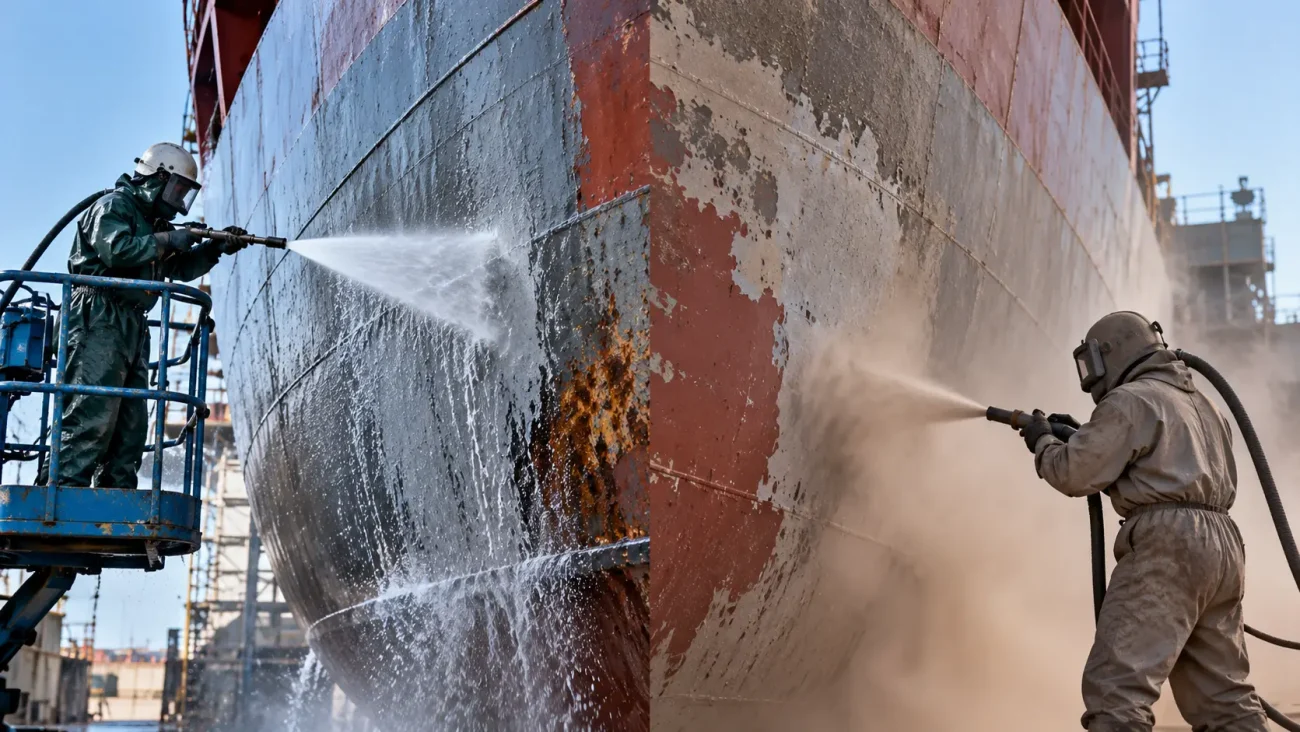
Every dry dock job starts with the same question: how do we strip the hull? The hydroblasting vs abrasive blasting choice affects cleanliness, schedule, waste and, most of all, how long the new paint will last.
This guide compares hydroblasting vs abrasive blasting for ship hulls in a neutral way. It is written for buyers, contractors and yards in the UAE and Oman. It shows where each method is strong, where it is weak and which questions to settle with your coating supplier before the work starts.
What is hydroblasting vs abrasive blasting?
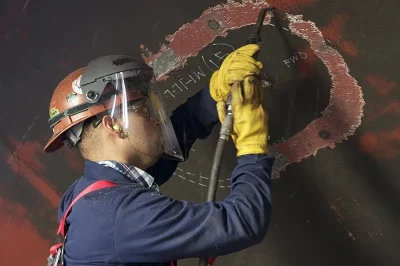
Abrasive blasting throws a hard grit at the steel with compressed air. It removes paint and rust and cuts a rough surface pattern into the metal. You can read more in this overview of abrasive blasting.
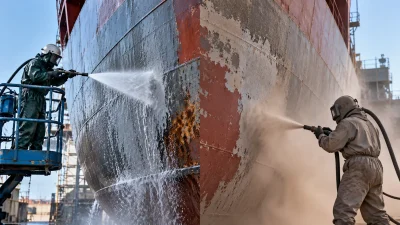
Hydroblasting uses water at high or very high pressure. In ship repair it usually means ultra high pressure (UHP) water jetting, which is commonly counted from about 2,000 bar and above. Pressure classes can differ between standards, so confirm the one in your specification. The water lifts off coatings, rust and soluble salts. It does not add abrasive grit.
Some systems add a little abrasive to the water. That is a third option, and the same checks still apply.
Hydroblasting vs abrasive blasting: Sa 2.5 and Wa 2 compared
The first point in any hydroblasting vs abrasive blasting comparison is the cleanliness grade. The two methods are described by different standards.
- Sa 2.5 is a dry blast grade in ISO 8501-1. It is the usual target for many hull coating systems.
- Wa 2 is a water jetting grade in ISO 8501-4. It describes a thoroughly cleaned surface.
These grades are not the same thing. Wa 2 allows some staining or tightly bonded residue, and water jetting also adds a flash rust level to the description. Do not write “Wa 2 equals Sa 2.5” in a tender.
Instead, ask what the coating needs. The data sheet will state a surface grade, and it may state one for water jetting as well. Our guide to surface preparation in coating projects explains why this step drives the whole result.
Anchor profile: what water jetting cannot do
Paint grips steel through a rough surface pattern, often called the anchor profile. Abrasive blasting creates this pattern. The water method does not.
That difference shapes any hydroblasting vs abrasive blasting plan:
- Bare or smooth steel: it needs abrasive blasting, or another way to make a profile.
- Hull with a good existing profile: UHP jetting can uncover it again by removing old coating and rust.
- Pitted steel: hydroblasting can clean the pits well, but heavy pitting may need repair first.
Take the required profile range from the data sheet. Then measure it on site. Do not assume the old profile survived years of service.
Soluble salts: where water jetting helps
Soluble salts are a quiet cause of blistering. Chloride on the steel pulls moisture through the new film and can start corrosion under it. Our article on marine coating failures shows how these faults appear.
On salts, hydroblasting vs abrasive blasting favours the water method. Salts dissolve in water, so the water method can wash them out of pits and corners. Dry grit does not dissolve anything, and it can leave salts trapped in pitted steel.
Whatever the method, test the result. A conductivity test on a known area gives a salt reading, and the specification sets the limit. A clean look is not proof.
Flash rust after water jetting
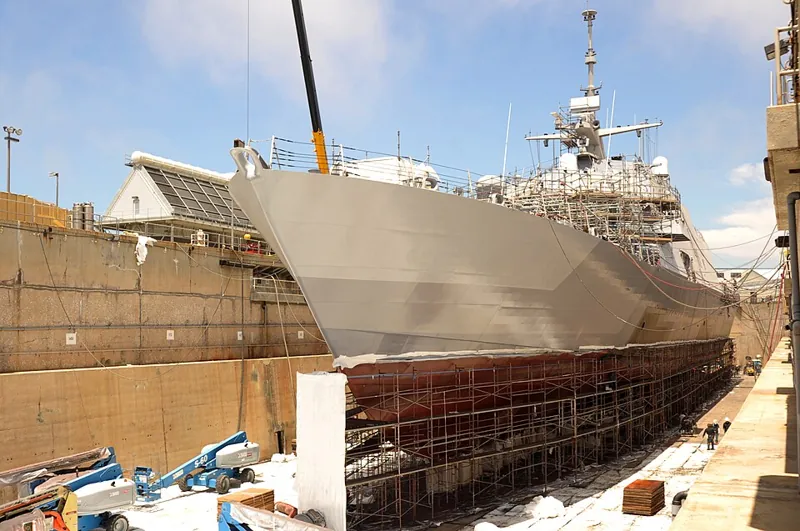
Flash rust is the main drawback of UHP jetting. Bare steel wet from jetting can turn orange within hours, and humid Gulf air makes it faster.
Standards describe flash rust in light, medium and heavy levels. What you can accept depends on the coating:
- Some primers tolerate a light level and are made for damp or hand-prepared steel.
- Other systems need a surface free from visible rust.
- Heavy flash rust normally has to be removed before painting.
Vendors also note that ordinary two-pack epoxies can have trouble with moisture or flash rust after hydroblasting. That is why you must check the data sheet before choosing the method. Plan the timing too: jet, dry, inspect and paint in a tight sequence. Dehumidification in the dock can help hold the surface.
Dust, waste and dry dock conditions
In hydroblasting vs abrasive blasting, both methods make waste, only in different forms.
- Abrasive blasting: dust, spent grit and removed paint. The grit and dust need containment, collection and disposal.
- Hydroblasting: wastewater with paint chips, rust and salts. It needs containment and treatment or disposal.
The water method makes very little dust, and that can ease work near other trades or in a crowded yard. It is not free of risk, though. UHP jets can cause serious injury, so operators need training and proper equipment.
Check the rules of the yard and the local authorities in the UAE and Oman for waste and discharge. Do not assume what is allowed at one yard is allowed at another.
Speed and cost: what really decides
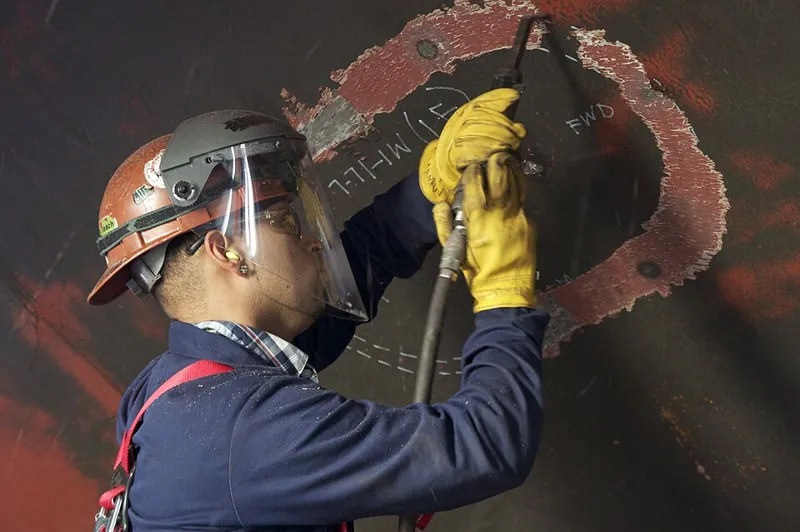
Many articles name a winner in hydroblasting vs abrasive blasting on speed and cost. We do not, because the answer depends on the job. Public figures also vary a lot between sources.
These factors move a hydroblasting vs abrasive blasting comparison more than the method name:
- How much old coating is on the hull, and how well it is bonded.
- How much rust and pitting there is.
- Whether the hull needs a new profile.
- Waste handling, containment and disposal cost.
- Drying time, waiting time and the risk of rework.
- Dock days. They often cost more than the labour.
A method that looks cheaper per square metre can lose if the surface fails and the hull needs a second pass. Ask each contractor to quote the full scope, including waste, access and re-work allowances. Our comparison of spot repair vs full recoat helps you decide how much of the hull needs treatment at all.
Which coating system fits each method
The best choice in hydroblasting vs abrasive blasting is the one that suits the coating you will apply. Work backwards from the paint.
Systems that expect a blasted surface
Standard epoxy primers and anticorrosive coats for hull and tank steel normally call for Sa 2.5 and a set profile. Abrasive blasting is the direct route. If you choose UHP jetting, check that the data sheet allows it and that the profile is already there.
Systems made for water jetted or damp steel
Some coatings are made for lower surface grades, damp steel or light flash rust. These can suit UHP hydroblasting well. Ask the supplier for written confirmation of the allowed grade, such as Wa 2 with a stated flash rust level.
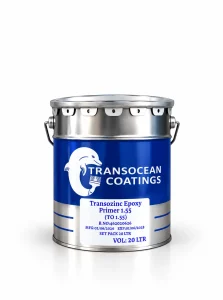
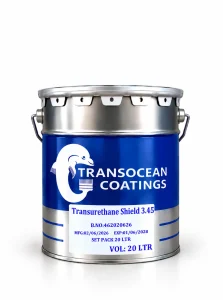
The TransOcean paint range covers several hull and anticorrosive systems. Each has its own surface requirements, so match them to your method before you order. For yard work in Oman, see our note on ship repair coatings in Duqm.
Side-by-side comparison
This table sums up hydroblasting vs abrasive blasting at a glance.
| Point | Abrasive blasting | Hydroblasting (UHP) |
|---|---|---|
| Cleanliness standard | Sa 2.5 (ISO 8501-1) | Wa grades (ISO 8501-4) |
| Anchor profile | Creates it | Does not create it |
| Soluble salts | Can stay in pits | Washed out well |
| Flash rust | Low risk if painted promptly | Expected, must be graded |
| Dust | High | Very low |
| Waste | Spent grit and dust | Wastewater and solids |
| Coating match | Most systems | Check the data sheet |
How to choose between the two methods
Use these five questions to settle the hydroblasting vs abrasive blasting decision:
- What does the data sheet require? Surface grade, profile and allowed flash rust.
- Does the hull still have a good profile? If not, plan abrasive blasting.
- How much salt is on the steel? Heavy contamination favours the water method, then retest.
- What can the dock handle? Think about dust, wastewater, access and neighbours.
- How fast can you paint? Humid weather shortens the window after jetting.
On many jobs the hydroblasting vs abrasive blasting answer is a mix. A yard can water jet to remove old coating and salts, then spot blast bare areas to restore a profile. That keeps the benefits of both. Agree the plan with your paint supplier in writing.
Frequently asked questions
Is hydroblasting better than abrasive blasting for ship hulls?
Neither wins in every case. Abrasive blasting creates a fresh anchor profile and reaches Sa 2.5 on bare steel. Hydroblasting removes salts and old paint without dust but leaves flash rust and no new profile. The coating specification decides which method fits.
What is the difference between Sa 2.5 and Wa 2?
Sa 2.5 is a dry blast cleaning grade from ISO 8501-1. Wa 2 is a water jetting grade from ISO 8501-4. Wa 2 describes a thoroughly cleaned surface, but it may still show some staining or tightly bonded residue, so it is not a direct match for Sa 2.5.
Does water jetting leave an anchor profile?
No. Ultra high pressure water jetting cleans the surface but does not roughen it. It exposes the profile that already exists. If the old blast profile is missing or too smooth, the steel needs abrasive blasting or another profile-making step.
What is flash rust and is it always a problem?
Flash rust is a thin orange film that forms on bare steel soon after water jetting. Light levels may be acceptable if the paint data sheet allows it. Heavier levels must be removed. The paint maker and the specification set the accepted grade.
Can I use any two-pack epoxy after hydroblasting?
Not always. Some suppliers warn that standard two-pack epoxies can struggle on damp steel or on surfaces with flash rust. Always check the product data sheet for the allowed surface condition, or choose a coating made for that condition.
Which method is cleaner for the dry dock environment?
Hydroblasting makes little dust but creates wastewater that needs containment and disposal. Abrasive blasting makes dust and spent abrasive that need containment and removal. Both are controlled by yard rules and local environmental requirements in the UAE and Oman.
Need help with your dry dock coating plan?
Need help with the hydroblasting vs abrasive blasting decision for your next dry dock? Contact our team. We will help you match your surface preparation method to the right TransOcean system, data sheets and application limits for your project in the UAE or Oman.