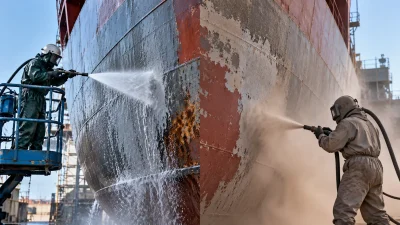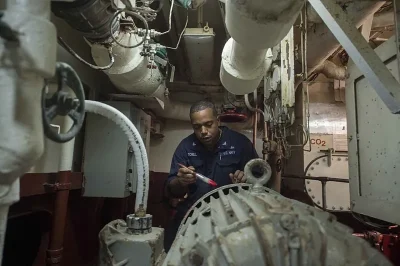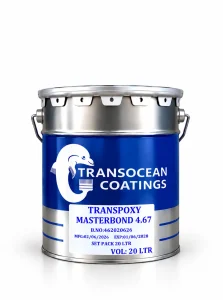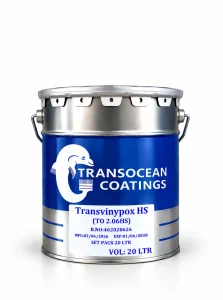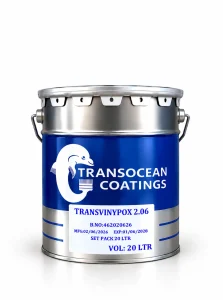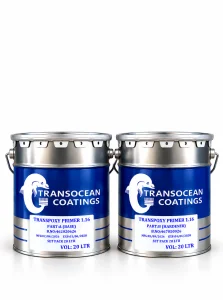


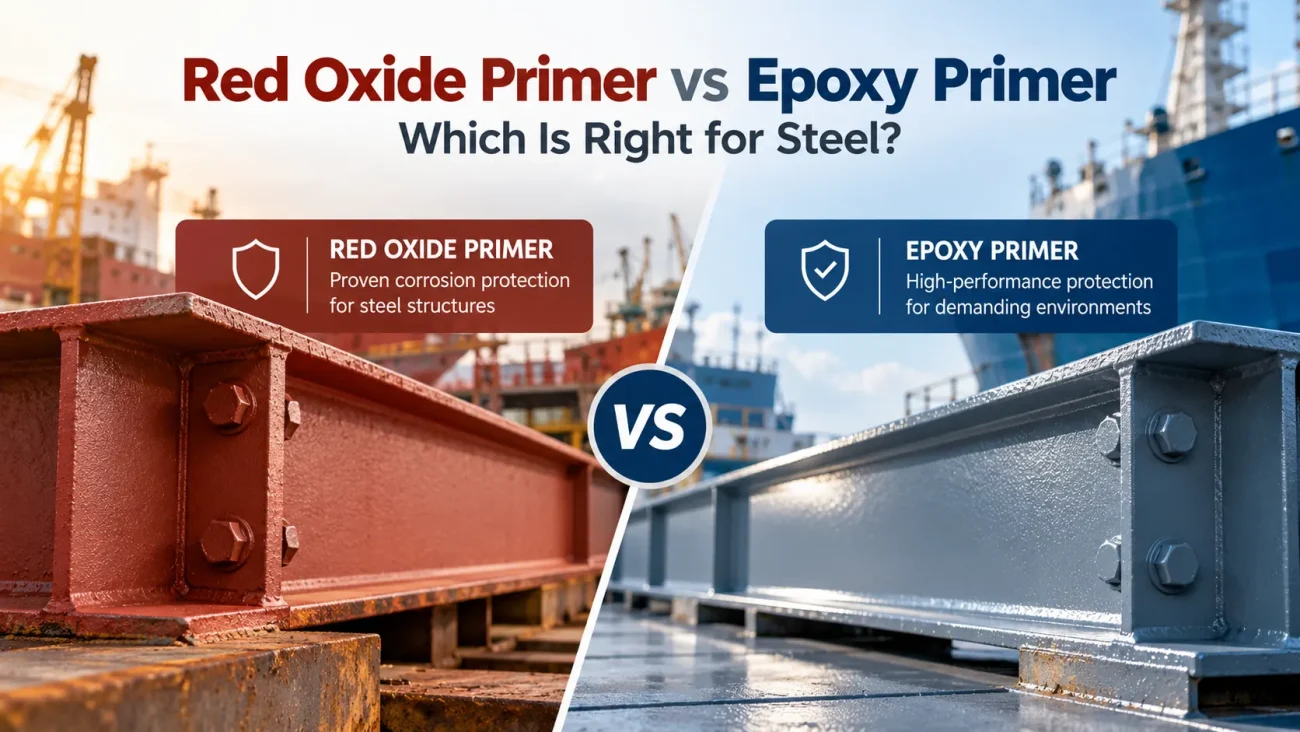
Steel is waiting for its first coat. The budget is tight, the schedule is tighter, and two primers are on the quote. One is cheap and quick. The other costs more and needs mixing. Which one protects the steel? The red oxide primer vs epoxy primer choice is common, and it is easy to get wrong.
This guide explains red oxide primer vs epoxy primer in plain terms. It is written for ship managers, yard engineers and plant teams who buy maintenance paint in the UAE and Oman.
Red oxide primer vs epoxy primer: the short answer
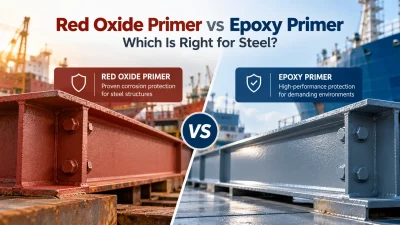
The short answer on red oxide primer vs epoxy primer: use red oxide primer where steel is lightly exposed and you need a fast, low-cost base. Use epoxy primer where steel faces salt, water or chemicals and the repair will be hard to repeat.
- Red oxide primer is an alkyd primer. It is single-pack and quick drying.
- Epoxy primer is a two-pack primer. It forms a tougher barrier on blasted steel.
- Your topcoat must suit the primer. This rule decides many choices.
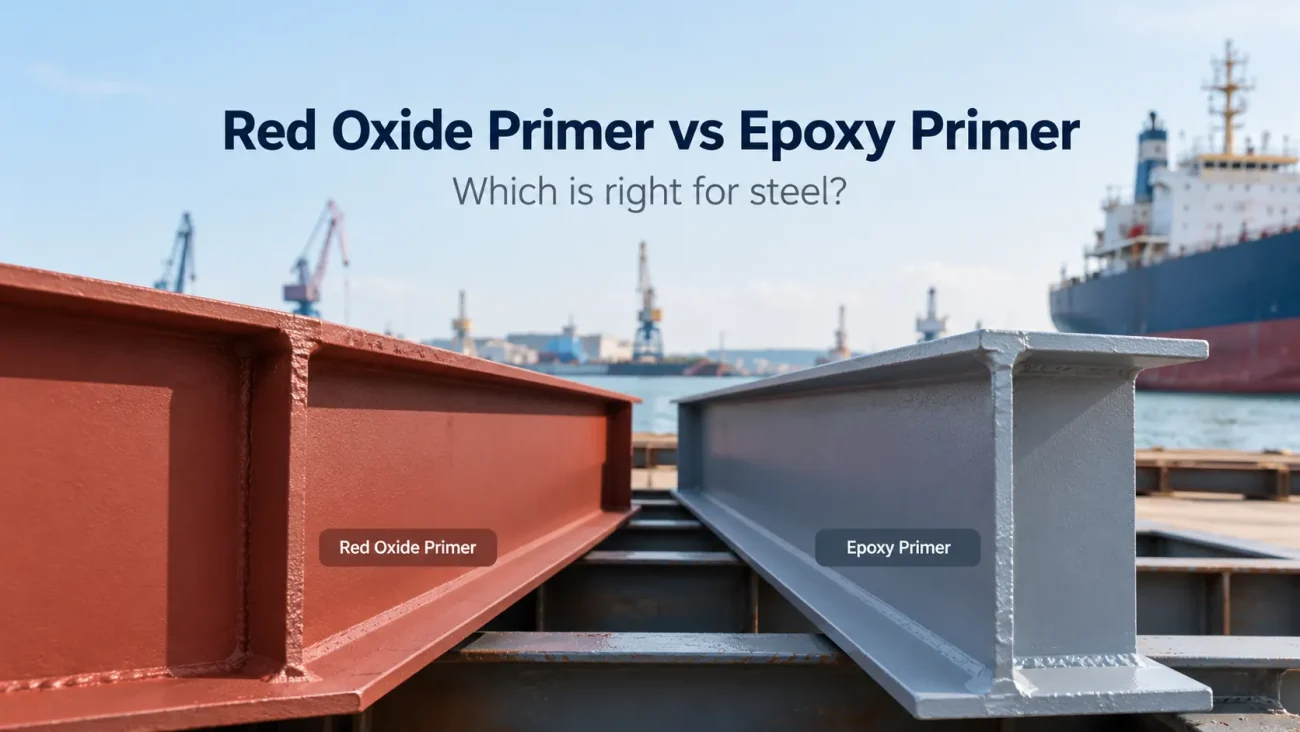
What is red oxide primer?
Red oxide primer is a rust-inhibiting primer, made with iron oxide pigment in an alkyd resin. It dries by reacting with air. You stir it and apply it by brush, roller or spray.
Our Transogard Redoxide (TO 1.12) is a quick drying alkyd primer for steel in marine and industrial settings. Its data sheet describes good adhesion to power-tool prepared steel and compatibility with Transocean alkyd topcoats. For background on the resin, see this overview of alkyd resins.
Where red oxide primer works well:
- Structural steel under a roof or in a mild, dry setting.
- Maintenance touch-up where full blasting is not planned.
- Fabricated parts that get an alkyd finish soon after priming.
- Jobs where speed and cost matter more than a long service life.
Its limits are as important. An alkyd film is softer and more open than a cured epoxy film. It handles water, salt and chemicals less well. Alkyd systems are generally not chosen for steel that sits in water.
What is epoxy primer?
Epoxy primer is a two-pack coating. You mix a base (part A) with a curing agent (part B) before use. The two react and cure into a hard, dense film. You can read the chemistry in this epoxy overview.
The Transpoxy Primer A&B (TO 1.16) is a polyamide cured epoxy primer for steel in marine and industrial service. Its product page lists use on ship hulls, cargo holds and decks. It can act as a holding primer on large refurbishment areas. It can also serve as a tiecoat over inorganic zinc silicates.
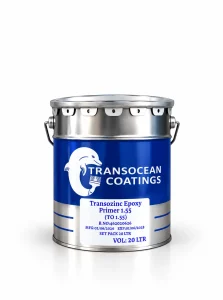
When you need more protection on blasted steel, a zinc-rich epoxy such as Transozinc Epoxy Primer 155 is another option. It is a two-component primer with high zinc content, built to protect steel in industrial and marine environments.
Epoxy primer asks more from the crew:
- Mix parts A and B in the right ratio.
- Use the mix within its pot life.
- Respect the minimum cure temperature and overcoating times on the data sheet.
- Prepare the steel well, as epoxy relies on clean steel with a good profile.
Red oxide primer vs epoxy primer: 7 key differences
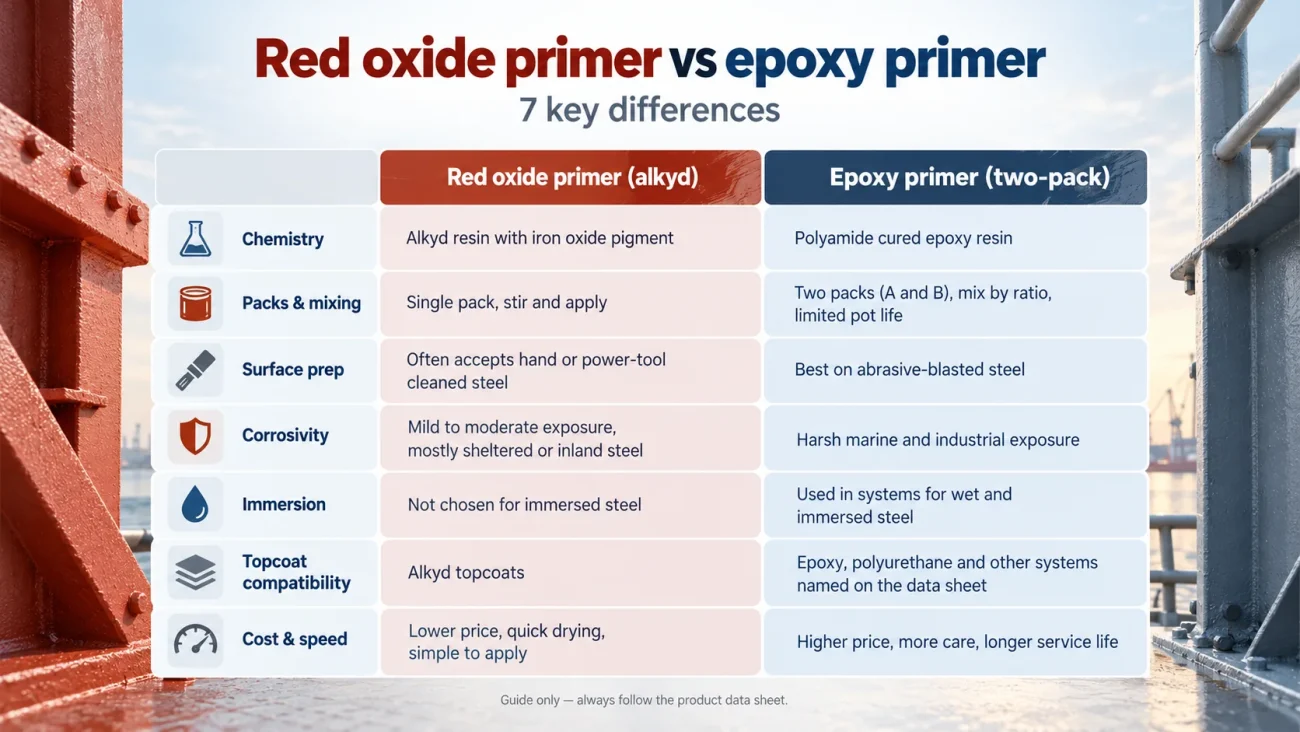
Here are seven points that decide red oxide primer vs epoxy primer on most jobs. Treat the table as a guide. The product data sheet always has the final limits.
| Point | Red oxide primer (alkyd) | Epoxy primer (two-pack) |
|---|---|---|
| Chemistry | Alkyd resin with iron oxide pigment | Polyamide cured epoxy resin |
| Packs and mixing | Single pack, stir and apply | Two packs (A and B), mix by ratio, limited pot life |
| Surface preparation | Hand or power-tool cleaned steel is often accepted | Abrasive-blasted steel gives the best result |
| Corrosivity | Mild to moderate exposure, mostly sheltered or inland steel | Harsh marine and industrial exposure |
| Immersion | Not chosen for immersed steel | Used in systems for wet and immersed steel |
| Topcoat compatibility | Alkyd topcoats | Epoxy, polyurethane and other systems named on the data sheet |
| Cost and speed | Lower price, quick drying, simple to apply | Higher price, more care, longer service life |
Red oxide primer vs epoxy primer by corrosivity
In red oxide primer vs epoxy primer talks, corrosivity is the first factor. It is how aggressive the air is around the steel. The ISO 12944 standard groups it into categories from C1 (very low) to C5 (very high), plus categories for immersed steel. You can find the overview on the corrosion page.
A rough guide helps buyers:
- Dry, sheltered, inland steel: red oxide primer can be enough.
- Coastal air, splash and spray, hot and humid sites: choose epoxy primer.
- Immersed or wet-zone steel: use an epoxy-based system only.
The Gulf is a hard setting. Salt in the air, daily humidity swings and strong sun all age coatings fast. For ships, offshore steel and coastal plants in the UAE and Oman, we suggest starting from epoxy and moving to alkyd only when exposure is mild.
Red oxide primer vs epoxy primer for immersion
In red oxide primer vs epoxy primer comparisons, immersion is the clearest dividing line. Ballast tanks, hull bottoms, jetty piles and water tanks stay wet for long periods. Water pushes into weak films, and rust starts under the paint.
Red oxide primer is not the tool for this job. A two-pack epoxy primer, inside a full epoxy system, is the safer choice. Check the coating specification for the exact service class and the dry film thickness required.
Red oxide primer vs epoxy primer: topcoat compatibility
A primer never works alone, so topcoats matter in any red oxide primer vs epoxy primer choice. It sits in a system with a midcoat and a topcoat. Our guide to the marine coating system: primer, midcoat and topcoat explains each layer.
Compatibility rules are simple:
- Alkyd primer: use alkyd topcoats. Strong solvents in other topcoats may lift the film.
- Epoxy primer: use the epoxy, polyurethane or other topcoats named on the data sheet.
- Mixed brands: ask the paint maker before you combine products.
If you plan a polyurethane finish for colour and gloss retention, read our marine epoxy vs polyurethane comparison. Epoxy primers fit that kind of system. Alkyd primers do not.
How to choose in the red oxide primer vs epoxy primer decision
Run through five questions before you order. They settle most red oxide primer vs epoxy primer debates.
- Where is the steel? Coastal, offshore or wet steel points to epoxy.
- How long must the coating last? A long repaint cycle points to epoxy.
- How will you prepare the surface? Blasting supports epoxy. Power-tool cleaning supports alkyd.
- What topcoat is specified? Pick the primer that the topcoat allows.
- What will access cost? Scaffolding, dock time and downtime often cost more than the paint.
Cheap primer on hard-to-reach steel can be a false saving. You may pay for access twice. The marine primers and anti-corrosive coatings page compares the full primer range.
Common primer mistakes on steel
Whichever side of red oxide primer vs epoxy primer you pick, most failures start before the can opens. Watch for these.
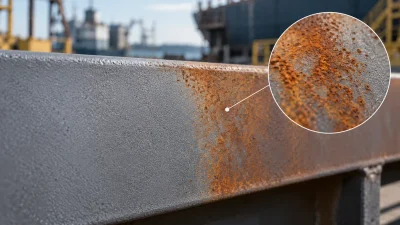
- Skipping surface preparation. Rust, oil and salt under the primer cause blisters and flaking.
- Applying in wrong weather. Check steel temperature and dew point before you coat.
- Missing the overcoating window. Too early traps solvent. Too late hurts adhesion.
- Thinning or mixing wrongly. Follow the ratio and the thinner on the data sheet.
- Ignoring film thickness. Measure it. A thin coat fails early.
Frequently asked questions
What is the difference in red oxide primer vs epoxy primer?
Red oxide primer is a single-pack alkyd primer that dries in air and suits light to moderate exposure. Epoxy primer is a two-pack coating that cures by chemical reaction. It forms a harder, denser film with better water and chemical resistance, so it suits harsher marine and industrial service.
Can I use red oxide primer on a ship hull?
Only for limited duty, such as touch-up or interior steel above the waterline, and only if the coating specification allows it. Hulls see salt water, abrasion and cathodic protection. These conditions usually call for an epoxy primer. Always check the product data sheet and the paint maker’s advice.
Can I paint epoxy over red oxide primer?
This is risky. The strong solvents in many epoxies can lift or wrinkle an alkyd primer, and adhesion may fail. Test a small patch first and ask the paint maker. The safer route is to strip the alkyd primer and re-prime with an epoxy primer made for the system.
Is epoxy primer worth the extra cost?
Usually yes on steel that stays wet, sees salt or is hard to reach for repairs. The primer is a small share of total job cost, while access, labour and downtime are large. A longer-lasting primer cuts the number of repaints. For dry, mild service, red oxide can be enough.
Do I need a topcoat over red oxide primer?
Yes. Red oxide primer is not a finish coat. It holds the steel until a compatible alkyd topcoat goes on. Left bare, the film weathers, chalks and loses protection. Plan the topcoat inside the overcoating interval stated on the data sheet.
What surface preparation does each primer need?
Red oxide primer is often applied to hand or power-tool cleaned steel, as its data sheet describes. Epoxy primer performs best on abrasive-blasted steel with a clean, dry, dust-free profile. Poor preparation causes most early coating failures, whatever the primer, so follow the data sheet grade.
Get the right primer for your steel
Still weighing red oxide primer vs epoxy primer for steel in a harsh marine or industrial setting? Request a quote for Transpoxy Primer A&B (TO 1.16). Tell us the steel, the surface preparation and the topcoat, and our team will help you match the primer and the data sheet limits to your site. For light, dry service, we can also quote the Transogard Redoxide alkyd primer.