

Summer in Dubai and Abu Dhabi brings hot steel and thick, damp air. On the coast at Duqm, humidity can be just as hard on a coating job. Paint that behaves well in mild weather can fail fast in these conditions.
This guide shares seven site tips for painting in hot humid weather. It covers steel surface temperature, dew point, shortened pot life, flash rust, blushing and thinner use, always based on the product data sheet.
Why painting in hot humid weather is different
Painting in hot humid weather puts two stresses on the coating at the same time. Heat speeds up the chemical reaction and the solvent loss. Humidity brings moisture to the steel and into the wet film.
Three things go wrong most often. The paint can gel in the pot before it reaches the steel. It can dry too fast, which leaves dry spray and pinholes. Or moisture can settle on the surface, which causes flash rust, blushing and poor adhesion.
None of this means you should stop work. It means you need a plan, a few instruments and the habit of checking the data sheet. The tips below show how.
7 tips for painting in hot humid weather
Use these seven tips for painting in hot humid weather as a site checklist. Each one links back to the product data sheet, which is the final authority for your paint.
1. Plan the painting window around steel temperature
When painting in hot humid weather, the air temperature reading can mislead you. Steel in direct sun on a UAE summer day can be much hotter than the air around it. Most data sheets give a maximum substrate temperature, so check it.
- Start early, before the sun heats the deck or hull.
- Follow the shade around the structure during the day.
- Use screens or tents to keep sun off the work area.
- Stop spraying when the steel passes the data sheet limit.
Plan the painting window the evening before. A written plan stops the crew from rushing a coat into the hottest hours.
2. Measure steel temperature and dew point before every coat
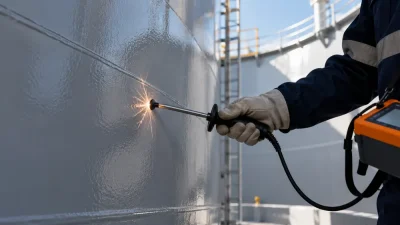
Dew point is the temperature at which moisture condenses from the air. Steel colder than that point collects an invisible film of water. You can read more about it in this explanation of the dew point.
The usual rule in data sheets and standards is simple. The steel should be at least 3 degrees C (5 degrees F) above the dew point during application and early cure. Confirm the number in your own data sheet.
For painting in hot humid weather, take three readings before each coat:
- Steel surface temperature, with a contact or infrared thermometer.
- Air temperature and relative humidity, with a hygrometer.
- The calculated dew point, from the two air readings.
Write the readings in the daily log. At Duqm and other coastal yards, check again in the afternoon. Humidity often rises as the sea breeze arrives.
3. Stop flash rust before it starts
Clean steel rusts quickly in damp air, so painting in hot humid weather needs tight control of preparation. Flash rust is a thin orange film that forms on freshly blasted steel, and it can appear within hours in humid conditions. Paint over it and the coating can lose adhesion later.
- Blast only the area you can coat the same shift.
- Keep the steel above the dew point after blasting.
- Remove dust and soluble salts, as the specification requires.
- Check the surface just before the primer goes on.
If rust returns, clean the steel again to the grade in the data sheet. Our guide to marine coating failures explains how poor preparation leads to blisters and early breakdown.
4. Expect a shorter pot life
Pot life is the time a mixed two-pack paint stays usable. It is normally printed for a set temperature, and heat shortens it. In painting in hot humid weather, the mixed paint may thicken and gel well before the time on paper.
- Mix smaller batches that the crew can apply quickly.
- Keep the cans in the shade and off hot steel.
- Note the mixing time on each can.
- Discard paint that is thick, lumpy or warm to the touch.
Do not thin gelling paint to save it. The reaction has already started, and extra thinner only hides the problem. Planning the pot life against the number of spray guns and painters avoids waste.
5. Choose the thinner from the data sheet
Thinner choice matters when painting in hot humid weather. A fast thinner can flash off before the paint levels out. That leaves dry spray, a rough film and trapped solvent that later forms pinholes.
Follow these rules:
- Use only the thinner named in the data sheet.
- Stay within the maximum thinning percentage shown there.
- Ask the paint maker whether a slower thinner grade exists for hot conditions.
- Do not swap in a general solvent from the store.
Every extra percent of thinner lowers the film you can build in one coat. Always check the result with a wet film gauge, then confirm the dry film. Our overview of the marine coating technical data sheet shows where to find these figures.
6. Avoid blushing and moisture on the wet film
Blushing is a common risk when painting in hot humid weather. It shows as a cloudy or milky haze in the film. As solvent evaporates, it cools the wet surface. In humid air, moisture can condense on it, and the film turns dull or white.
Epoxy hardeners can also form a waxy surface layer in damp, cool conditions. It is often called amine blush. It can weaken the bond to the next coat.
- Keep the steel above the dew point for the whole application and early cure.
- Avoid painting late in the evening, when steel cools toward the dew point.
- Do not paint if rain or sea mist is likely before the film cures.
- Wash or remove any surface layer as the paint maker advises before overcoating.
7. Watch overcoat intervals and film thickness
Painting in hot humid weather also shortens the time between coats. The minimum overcoat interval is shorter. The maximum can pass sooner, which makes the next coat harder to bond. Check both figures in the data sheet, using the actual steel temperature.
Measure the wet film while you spray, then measure the dry film after cure. Record every reading. Our marine topcoats and finishes guide explains how the final coats protect the system, so they deserve the same care as the primer.
When a job starts to drift outside the data sheet limits, stop and call the coating inspector. A short delay costs less than stripping a failed coat.
Hot and humid coastal sites: a shift checklist
Painting in hot humid weather at coastal yards needs extra care. At Duqm, ship repair work often takes place near the water, where salt and moisture reach the steel quickly. Plan dock schedules, surface preparation and coating windows together. Our guide to ship repair coatings in Duqm covers this planning in detail.
Use a short site checklist for every shift:
- Check steel temperature, humidity and dew point.
- Confirm the data sheet limits for this product.
- Mix small batches and track the pot life.
- Apply to the thickness in the specification.
- Log the readings and the film thickness.
Frequently asked questions
What is the best time of day for painting in hot humid weather?
Early morning is usually best, once the steel has warmed above the dew point and before the sun heats it. Avoid late evening, because cooling steel can fall to the dew point and collect moisture. Measure steel temperature and dew point before each coat.
How far above the dew point should the steel be?
Most data sheets and standards ask for a steel temperature at least 3 degrees C (5 degrees F) above the dew point during application and early cure. The reason is simple: below that margin, moisture can form on the surface. Always confirm the figure in the product data sheet.
Why does paint pot life get shorter in the heat?
Heat speeds up the chemical reaction between the base and the hardener. The mixed paint thickens and gels sooner than the data sheet figure, which is usually given at a lower temperature. Mix smaller batches, keep the cans in the shade and never thin gelling paint to extend its life.
Can I add extra thinner when painting in hot weather?
Only the thinner named in the data sheet, and only up to the stated maximum. Extra thinner lowers the film build and can cause sagging, poor cure and weak adhesion. Where heat causes dry spray or pinholes, ask the paint maker about a slower thinner grade instead.
What is flash rust and how do I prevent it?
Flash rust is a thin orange film that forms on freshly blasted steel when it meets humid air or moisture. Prevent it by coating soon after blasting, keeping the steel above the dew point and following the cleanliness grade in the data sheet. Re-clean any steel that has rusted before you coat.
What is blushing in a paint film?
Blushing is a cloudy or milky white haze in the paint film. It happens when moisture condenses on the wet film as the solvent evaporates and cools the surface. It is more common in humid air. Follow the dew point margin and use the thinner your data sheet recommends.
Need help with summer coating work?
Planning painting in hot humid weather on a job in the UAE or Oman? Contact our team for advice on a TransOcean system and the right application window. You can also download product data sheets to check temperature, pot life and thinner limits.