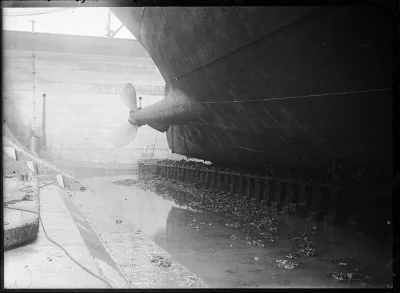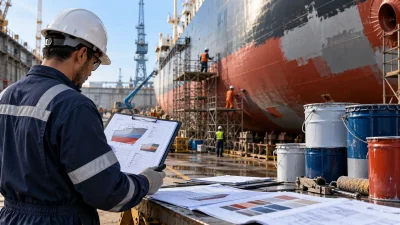


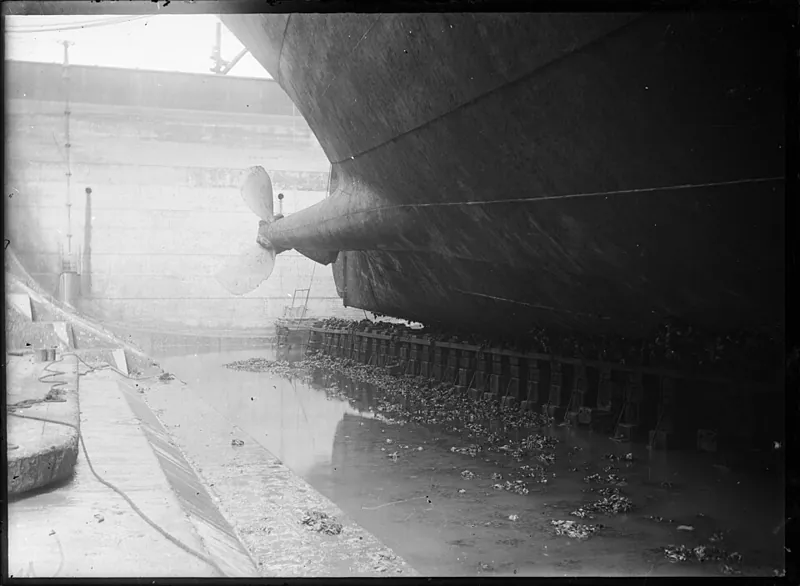
Marine growth builds up fast on a hull in warm water. It adds drag, burns more fuel and forces early cleaning. The right paint slows this down, but only if it suits the vessel.
This guide compares the main antifouling paint types for technical managers, superintendents and ship repair contractors in the UAE and Oman. It explains how each type works and how to choose by vessel and trading pattern.
Contents
- Why antifouling paint types matter
- 1. Self-polishing copolymer (SPC)
- 2. Hard matrix (contact leaching)
- 3. Hybrid and hard ablative paints
- 4. Foul release coatings
- Antifouling paint types compared
- How to choose by vessel and trade
- Application and docking tips
- Frequently asked questions
Why antifouling paint types matter
Hull fouling is the growth of algae, barnacles, tube worms and other organisms on the underwater hull. The process is called biofouling. A rough hull needs more power to keep its speed. That is why owners treat the underwater coating as a cost item, not only a protection item.
There is no single best product. The antifouling paint types differ in how they stop growth, how they wear and what they need from the vessel. A paint that works well on a fast container ship may fail on a harbour tug. Our general guides on antifouling coatings and anti-fouling marine coatings explain the basics. This page focuses on the choice between types.
Most antifouling paint types sit on top of an anti-corrosive system. The full build-up is described in our marine coating system guide.
1. Self-polishing copolymer (SPC)
A self-polishing copolymer paint has a binder that reacts slowly with seawater. The outer layer softens and washes away as the ship moves. This exposes fresh paint and keeps releasing the active ingredient at a steady rate.
Strengths
- Smooth surface as the film polishes.
- Predictable wear, so film thickness can be matched to the docking interval.
- Suited to vessels that sail often and at steady speed.
Limits
- Needs water flow to polish. Long idle periods reduce its performance.
- The film must be thick enough for the planned period.
- Overcoating needs a compatible system.
A self-polishing copolymer is common on deep-sea ships with a steady trading pattern. Always check the maker’s data sheet for minimum speed and activity.
2. Hard matrix (contact leaching)
A hard matrix paint, also called contact leaching, holds its active ingredient in a hard, insoluble binder. The ingredient dissolves out through tiny channels in the film. The binder itself does not wear away much.
Strengths
- Does not depend on high vessel speed to work.
- Often a lower first cost than other antifouling paint types.
- Useful for slower craft, workboats and vessels with short docking cycles.
Limits
- The surface gets rougher over time as the active ingredient is depleted.
- Performance falls as the leached layer grows.
- Repeated coats can build up and may need removal at some point.
A hard matrix is a practical choice when the budget is tight and the docking interval is short. It is less suited to long periods between dockings.
3. Hybrid and hard ablative paints
Hybrid products try to combine the best of both worlds. Hard ablative or hybrid paints wear slowly, but not in the same way as an SPC. They aim for steadier release than a hard matrix, with less dependence on speed than a full SPC.
These antifouling paint types are often used on vessels with mixed duty, such as offshore support vessels, ferries and work boats. Performance depends strongly on the product and the maker’s data. Ask for references and the expected service period for your trading pattern.
4. Foul release coatings
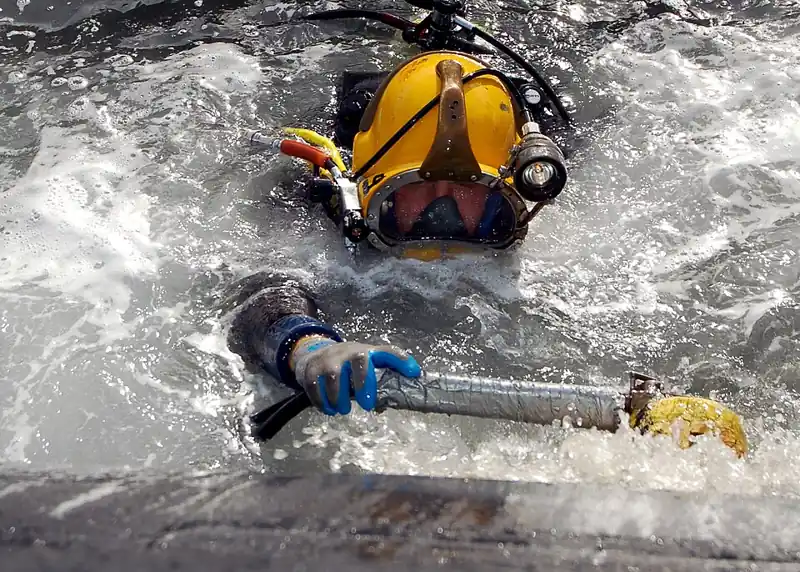
A foul release coating does not rely on a biocide. It forms a very smooth, low-friction surface, often silicone-based. Organisms find it hard to attach firmly. When the vessel moves, or when the hull is cleaned, the growth comes off more easily.
Strengths
- No biocide as the active agent.
- Smooth finish and easy cleaning.
- Fits fast, active vessels that trade often.
Limits
- Usually needs its own system, with a tie coat. It is not a simple swap for a biocidal paint.
- The film is soft and can be damaged by contact, tugs and fenders.
- Low activity or idle time can allow slime and fouling to settle.
Foul release suits vessels with high activity and good access for in-water cleaning. Read the maker’s instructions before you choose it.
Antifouling paint types compared
This table summarises how the antifouling paint types differ. Use it as a quick guide, then confirm details on the product data sheet.
| Type | How it works | Best for | Main limit |
|---|---|---|---|
| Self-polishing copolymer | Film polishes away in moving water | Active vessels with steady speed | Needs movement |
| Hard matrix | Active ingredient leaches from a hard film | Slower craft, short docking cycles | Surface roughens with time |
| Hybrid / hard ablative | Slow wear with steadier release | Mixed-duty vessels | Depends on the product |
| Foul release | Smooth surface, low adhesion | Fast, active vessels | Soft film, needs its own system |
How to choose antifouling paint types by vessel and trade
Start with how the vessel really works, not with the price. Ask these questions:
- How fast does it sail? Slow craft favour hard matrix or hybrids. Fast ships suit SPC or foul release.
- How often does it move? Long idle periods raise fouling risk for every type.
- What is the docking interval? Longer intervals need a film built for that period.
- What are the water conditions? Warm Gulf water gives strong fouling pressure.
- What is on the hull already? Compatibility with the old coat decides what you can apply.
- What do local rules require? Check regulations and port requirements first.
A harbour tug in Dubai, a coaster working between Gulf ports and a tanker at Duqm each have different needs. Our page on anti-fouling paint in the UAE gives more on local conditions.
Application and docking tips
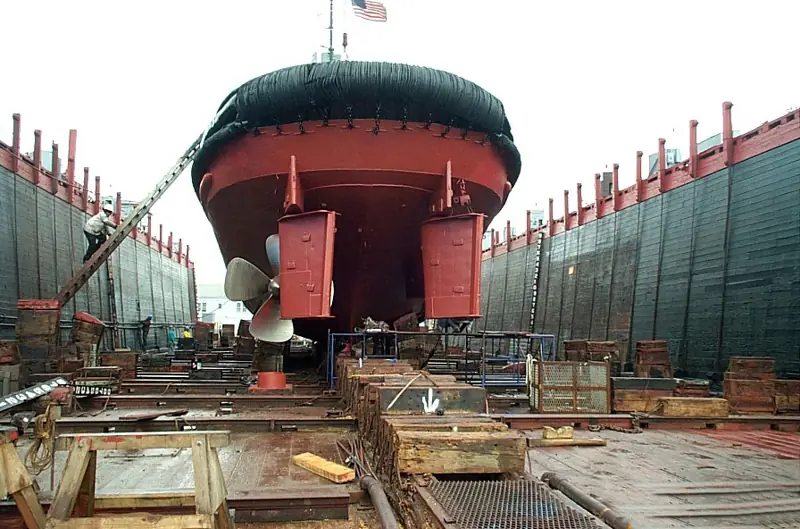
Even the best of the antifouling paint types fails when it is applied badly. Keep these points in mind:
- Prepare the hull to the specified standard and keep the anti-corrosive coats intact.
- Apply the full film thickness stated on the data sheet.
- Respect the overcoating interval between coats.
- Check humidity and steel temperature before each coat.
- Record the product, batch and film thickness for the next docking.
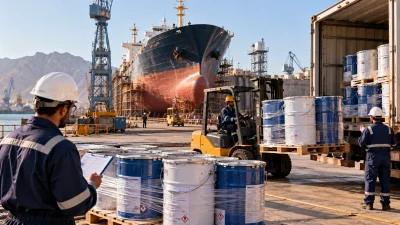
Write these steps into your marine coating specification. For dry-dock work in Oman, see our page on ship repair coatings in Duqm. You can also browse the TransOcean paint range for marine coating systems.
Some older biocides, such as tributyltin, are now banned for ships. Read about tributyltin and make sure any product you buy meets current rules.
Frequently asked questions
What are the main antifouling paint types?
The main antifouling paint types are self-polishing copolymer (SPC), hard matrix (contact leaching) and foul release. Hybrid and hard ablative products sit between them. Each type works in a different way, so the best choice depends on vessel speed, activity and the docking interval.
What is the difference between self-polishing and hard matrix antifouling?
A self-polishing copolymer film wears away slowly in moving water and exposes fresh paint. A hard matrix film stays in place and releases its biocide through a fixed, porous structure. Hard matrix suits slower or idle vessels. SPC needs regular movement.
Which antifouling paint is best for vessels that stay idle?
Idle vessels need a paint that does not depend on water flow. A hard matrix or a high-activity hybrid is often used for slow or idle craft. SPC and foul release rely more on movement, so check the data sheet limits for idle time before you choose.
How does foul release differ from biocidal antifouling?
Foul release coatings use a very smooth, low-friction surface, often silicone-based, that makes it hard for organisms to hold on. They contain no biocide as the active agent. Fouling that settles is released by vessel speed or light cleaning.
How long does antifouling paint last?
Service life depends on the product, film thickness, vessel speed, activity and water conditions. Makers state an in-service period on the data sheet. Treat it as a guide for planning dry-docking, not as a promise, and inspect the hull at every docking.
Can I apply a new antifouling over an old one?
Only if the two are compatible and the old film is sound. Some types need a sealer or tie coat, and foul release usually needs its own system. Always follow the data sheet and the maker’s compatibility advice. Do not guess; a wrong overcoat can peel.
Do antifouling paint types differ for the UAE and Oman?
The paint chemistry is the same, but warm Gulf waters usually mean heavy fouling pressure. That makes the vessel’s activity and speed even more important in the choice. Check current local regulations and port requirements before you buy.
Need help with antifouling paint types?
Not sure which antifouling paint types fit your vessel? Contact our team with the vessel type, trading pattern and docking date. We will help you choose a compatible system and prepare a quote. You can also download product data sheets for TransOcean marine paints.