

A buyer has two zinc primers on the quote and one budget. A maintenance manager has a steel structure that needs repair and no time to learn paint chemistry. Both ask the same question: which primer goes where?
This guide is for technical buyers, ship managers, shipyard planners and coating supervisors. It explains zinc silicate vs zinc epoxy primer in plain steps and shows where each one fits in a coating system. It complements our guide to zinc rich primer and how it protects steel, so we do not repeat the basics here.
Zinc silicate vs zinc epoxy primer: the short answer
Zinc silicate vs zinc epoxy primer comes down to the job. Zinc silicate is an inorganic, moisture-curing primer for long-term protection of blasted steel in marine and industrial service. Zinc epoxy primer is a single pack shop primer for temporary protection during fabrication, and for repairs on zinc silicate. Choose by role, surface preparation and topcoat system.
Both primers use zinc dust to protect steel. The zinc acts as a sacrificial anode, so it corrodes first and keeps the steel from rusting. The binder around the zinc is what differs, and the binder decides how the primer is used.
What zinc silicate is and where it works best
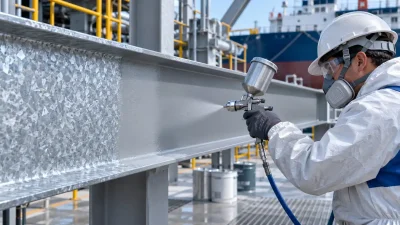
Zinc silicate is the inorganic option. Transozinc Silicate 158 (TO 1.58) is a moisture-curing inorganic zinc silicate with a high zinc content. It cures with moisture from the air and builds a dense, chemically bonded silicate matrix.
The product page lists these points:
- Cathodic protection from the high zinc dust content.
- Compliance with SSPC Paint 20, Type I, Level 1 and ISO 12944: Zinc Rich.
- Good abrasion resistance, and resistance to many industrial solvents and chemicals.
- Use in C4, C5 and CX environments, offshore and coastal exposure.
- Surface preparation typically by abrasive blasting to Sa 2½.
It can also be left uncoated in certain atmospheric environments. Where more protection or a colour is needed, it is recoated with compatible systems such as Transpoxy, Transoprene or Transvinyl.
What zinc epoxy primer is and why shipyards use it
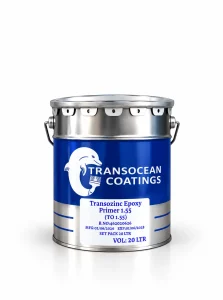
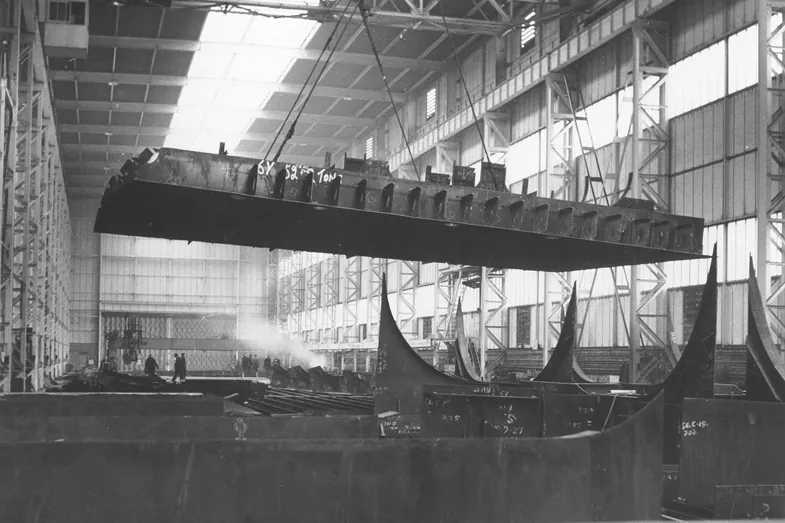
Zinc epoxy primer is the organic option. Transozinc Epoxy Primer 159 (TO 1.59) is a single pack epoxy shop primer with a high zinc content. It is made for shipbuilding, offshore and heavy industrial projects.
Its job is temporary but reliable protection while steel is stored, moved and assembled. The product page highlights:
- Fast drying, so plates and blocks can be handled, stacked, cut and welded sooner.
- A shopprimer certificate, confirming suitability for pre-construction steel treatment.
- Compatibility with welding and flame cutting.
- Single pack supply, with no mixing and no ratio errors.
- Suitability for the maintenance of zinc silicate coated substrates.
That last point matters. The epoxy primer is not only a shop primer. It is also a repair tool for areas where a silicate coat has been damaged.
Zinc silicate vs zinc epoxy primer: side-by-side comparison
This table puts zinc silicate vs zinc epoxy primer side by side, using the two Transozinc products. Every row comes from the product pages. For any number, such as film thickness, overcoating interval or temperature limit, use the technical data sheet.
| Point | Zinc silicate (TO 1.58) | Zinc epoxy primer (TO 1.59) |
|---|---|---|
| Binder | Inorganic silicate | Epoxy, single pack |
| Curing | Moisture-curing | Fast drying |
| Main role | Long-term corrosion protection | Shop primer, temporary protection |
| Surface preparation | Abrasive blasting, typically Sa 2½ | Properly prepared steel |
| Welding and cutting | Not the stated purpose | Compatible, shopprimer certified |
| Left uncoated | Possible in certain atmospheric environments | Temporary, then overcoated |
| Repair use | Base coating to be maintained | Maintenance of zinc silicate coated substrates |
Surface preparation in zinc silicate vs zinc epoxy primer work
Surface preparation decides the result for both primers. Zinc silicate is the more demanding one. The product page says abrasive blasting to Sa 2½ is typical, and the standard behind that grade is ISO 8501-1.
Blasted steel also rusts fast in the Gulf. Flash rust can appear within hours in humid air, so plan the coating right after blasting. Our guide to flash rust on blasted steel explains the grades and how to prevent them. For the full picture of cleaning methods, read marine coating surface preparation.
Do not treat the epoxy primer as a way to skip good preparation. It adheres well to properly prepared steel, and the word properly is part of that promise.
Zinc silicate vs zinc epoxy primer in hot, humid Gulf conditions
Climate changes how you apply both primers. Zinc silicate cures with moisture from the air, so humidity helps it. But the wet film and the steel temperature still need control. Condensation on cold steel ruins any primer, which is why our dew point in painting guide matters on every job.
In Dubai, Abu Dhabi and Duqm, hot and humid days are normal. Read our tips for painting in hot and humid weather, and take the working limits for temperature and humidity from the data sheet of the exact product. We do not quote them here, because they belong to the maker’s document.
Shop primer and pre-construction use
Pre-construction is where zinc epoxy primer wins. Steel plates and profiles are blasted, primed and then stored in the yard. They wait for cutting, welding and assembly. During this time they need protection that dries fast and does not block the welders.
A shop primer such as TO 1.59 fits that flow. It protects the steel during storage, transport and assembly. After that the block gets its full coating system. If you want to see where a primer sits in the whole build-up, read our guide to the marine coating system: primer, midcoat and topcoat.
Zinc silicate also has a place in new construction, but as part of the final system on blasted steel, not as a quick temporary coat.
Tanks, masts and offshore structures
In zinc silicate vs zinc epoxy primer decisions for tanks, masts, decks and offshore structures, the long-term role matters most. That is where zinc silicate is usually considered, with an epoxy or other compatible topcoat as the specification requires. Our article on cargo tank coatings for chemical tankers shows how zinc silicate and epoxy are used inside tanks, and why the cargo list controls the choice.
For platforms and structures above the water, the high zinc content and the C4, C5 and CX suitability on the TO 1.58 page are the reason to look at the silicate. See also our guide to anti-corrosion coatings for offshore platforms.
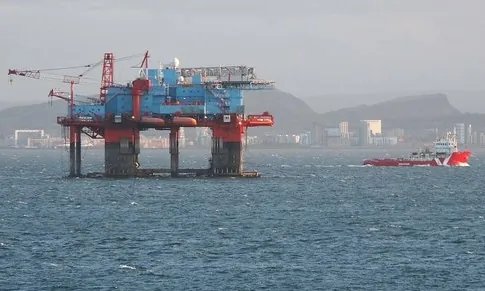
On site, the epoxy primer then helps with repairs. Damaged spots, weld seams and cut edges on an existing silicate coat can be touched up with TO 1.59, following the data sheet and the project specification.
Zinc silicate vs zinc epoxy primer: common mistakes, cracking and overcoating
Most field failures come from a few repeated mistakes. Check each one before the spray starts.
- Mud-cracking. A zinc silicate film that is too thick shrinks while curing and cracks like dried mud. Apply in controlled passes and stay inside the range in the data sheet.
- Cracking at weld areas and corners. Paint collects there and builds up. Stripe coat with care and keep the film even.
- Overcoating problems. A silicate surface is porous. Topcoats can form bubbles or pinholes if the overcoating method is wrong. Follow the maker’s overcoating instructions, interval and recommended system.
- Poor blasting. The silicate needs a clean, roughened steel surface. A weak profile is a weak bond.
- Wrong topcoat. Use only compatible systems. The product page names Transpoxy, Transoprene and Transvinyl for the silicate.
- Mixing up roles. Using a shop primer as a final long-term primer, or the reverse, causes early failure.
Example coating systems for each case
These examples show the logic of zinc silicate vs zinc epoxy primer only. Film thickness and intervals are not given, because they come from the data sheet and the specification.
- New-build steel block. Blast the plate, apply the zinc epoxy primer as shop primer, cut and weld, clean the weld areas, then apply the full system chosen by the designer.
- Tank or structure on blasted steel. Blast to the specified standard, apply zinc silicate as the primer, then add an epoxy or other compatible topcoat as the specification requires.
- Repair on a silicate-coated structure. Prepare the damaged spot, apply the zinc epoxy primer for maintenance of the zinc silicate substrate, then recoat with the specified topcoat.
Always follow the written project specification. The comparison of zinc silicate vs zinc epoxy primer is a guide, not a replacement for it.
Zinc silicate vs zinc epoxy primer: how to choose
Use this short checklist when you compare zinc silicate vs zinc epoxy primer for a project:
- Is the coat temporary or permanent? Temporary shop protection points to the epoxy primer. Long-term protection on blasted steel points to the silicate.
- Will the steel be cut and welded after priming? The shopprimer certificate of TO 1.59 is made for this.
- Can you reach Sa 2½? If not, fix the preparation first.
- Which topcoat is in the specification? Check that it is compatible with the primer.
- Is it a repair? Look at the epoxy primer for maintenance on silicate.
If the answer is still unclear, send us the substrate, the exposure and the specification. We will help match the product and its data sheet.
Frequently asked questions
What is the main difference between zinc silicate and zinc epoxy primer?
Zinc silicate is an inorganic, moisture-curing zinc primer that forms a hard silicate matrix on blasted steel. Zinc epoxy primer is an organic, epoxy-based zinc primer. The Transozinc range reflects this: TO 1.58 is the silicate, and TO 1.59 is a single pack epoxy shop primer.
Can zinc epoxy primer be applied over zinc silicate?
Yes, for maintenance. The product page of Transozinc Epoxy Primer 159 states that it suits the maintenance of zinc silicate coated substrates. Always confirm the exact overcoating rules and intervals on the data sheet, and agree the repair procedure with the coating specification before you start work.
Which primer is better as a shop primer?
Zinc epoxy primer. Transozinc Epoxy Primer 159 is a single pack epoxy shop primer that dries fast and holds a shopprimer certificate. It is meant for temporary protection of plates and blocks during storage, transport, cutting, welding and assembly, before the final coating system is applied.
Does zinc silicate need abrasive blasting?
Yes. For Transozinc Silicate 158 the product page says surface preparation should typically reach abrasive blasting to Sa 2½. A clean, roughened steel surface gives the silicate matrix its adhesion. Poor preparation is a common reason for early coating failure, so check the blast standard on site.
Can zinc silicate be left uncoated?
In certain atmospheric environments, yes, because of its high zinc content. Where the specification needs extra protection or a colour finish, it is recoated. The Transozinc Silicate 158 page names Transpoxy, Transoprene and Transvinyl as compatible systems. The environment and the specification decide.
What causes mud-cracking in zinc silicate?
Mud-cracking usually comes from applying the film too thick, so the coat shrinks and cracks like dried mud while it cures. Spray in controlled passes, check the wet film as you go, and stay inside the film thickness range in the data sheet. Heavy build-up in corners and weld areas is a common trap.
Get a quote for Transozinc zinc primers
Choosing between zinc silicate vs zinc epoxy primer for your steel? Request a quote for Transozinc Silicate 158 or Transozinc Epoxy Primer 159 on the product page. Tell us the substrate, the exposure and the site, and we will help with pricing, availability and the data sheet. You can also contact our team for technical support.