

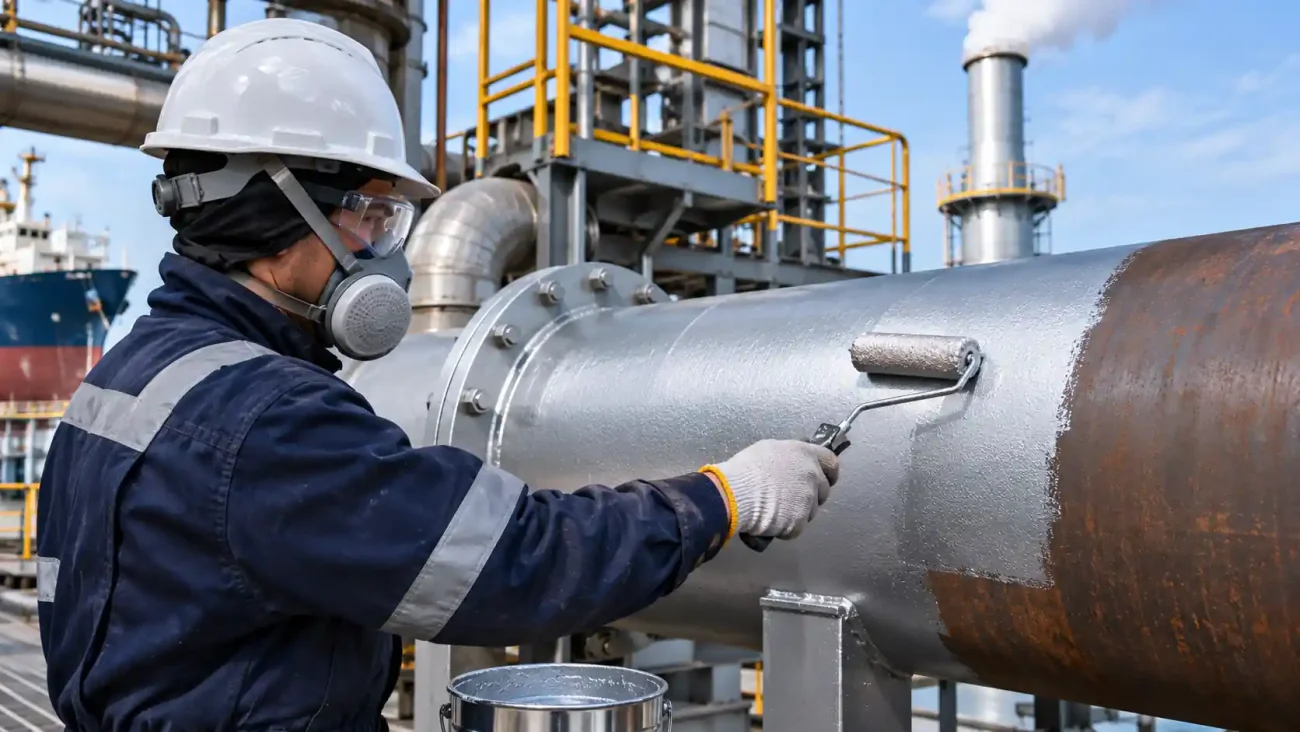
The funnel casing looks fine in the shipyard. A few months of engine heat later, the paint is chalking, the steel is rusting and the silver finish has gone dull. The cause is often simple: an ordinary coating was used on a hot surface. Heat resistant aluminium paint is made for that job.
This guide is for ship maintenance managers and purchasing engineers. It explains the real temperature limits, the surfaces that suit this paint, how to prepare and apply it, and how it differs from aluminium epoxy mastic. Every figure below comes from the product pages on our site.
What heat resistant aluminium paint is and how it works
Heat resistant aluminium paint is a coating that contains aluminium flake in a binder that can tolerate high temperatures. The aluminium gives the silver look. The binder decides how hot the film can get before it fails.
Two binder types matter for most buyers:
- Aluminium-based finish (one-pack). A single-component aluminium finish for steel with a moderate heat load. Transolac Aluminium HR (TO 5.11) is rated up to 200°C.
- Silicone aluminium paint. A single-component finish based on silicone resins for high-temperature service. Transosil Aluminium 515 (TO 5.15) and 516 (TO 5.16) are rated up to 600°C.
Both are single-component, so there is no mixing ratio or pot life to manage. That makes work in a hot engine room simpler.
Heat resistant aluminium paint temperature limits: how hot is too hot?
The first question for any heat resistant aluminium paint is how hot the surface gets. Do not guess. Ask the engineers for the real surface temperature, or measure it with a contact thermometer while the machine runs.
The table below shows the ratings given on the product pages of our TransOcean range.
| Product | Type | Heat resistance | Dry film (per coat) |
|---|---|---|---|
| Transolac Aluminium HR (TO 5.11) | Aluminium-based finish | Up to 200°C | 30 µm |
| Transosil Aluminium 515 (TO 5.15) | Silicone aluminium finish | Up to 600°C | 20 µm |
| Transosil Aluminium 516 (TO 5.16) | Silicone aluminium finish | Up to 600°C | See data sheet |
Choose a rating with some margin above the working temperature. A rating of 200°C does not cover a surface that reaches 300°C during a hot start. If the temperature is close to the limit, move up to the next product.
Best surfaces for heat resistant aluminium paint on ships
Heat resistant aluminium paint suits steel parts that run hot and still need a clean, protected finish. Typical marine and industrial examples are:
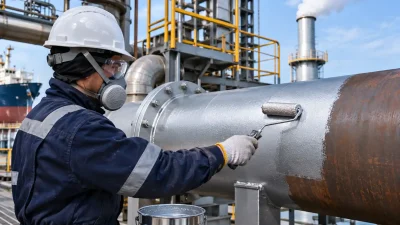
- Funnels and exhaust casings. Parts near the engine exhaust see heat and weather together.
- Exhaust pipes and silencers. The surface temperature is high and can change fast.
- Steam and hot-water pipes. Bare or lightly insulated lines need a coating that holds up at temperature.
- Engine room steelwork. Hot casings, boiler surroundings and similar equipment.
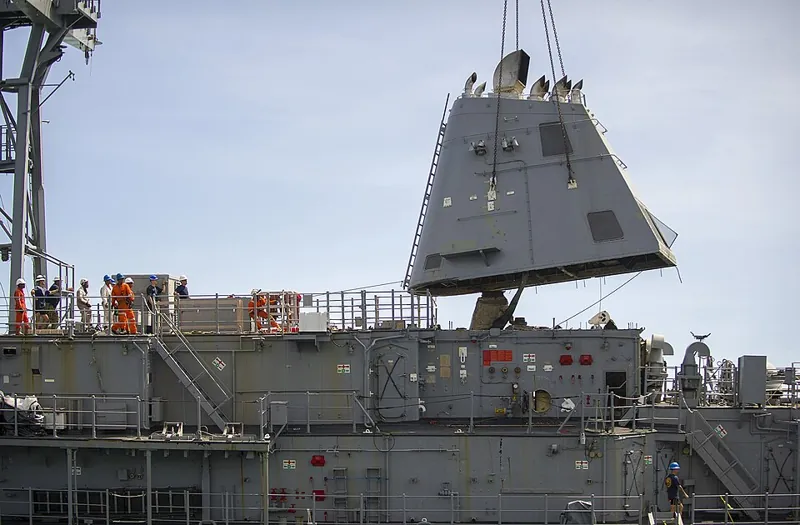
Not every hot part is the same. A funnel top near the exhaust outlet can be far hotter than the casing lower down. Match the product to the hottest area, or split the job into zones.
The product page of Transolac Aluminium HR says it can be used on interior and exterior steel. For the highest temperature resistance, it should go directly on the steel. It can also be applied over the Transogard priming system when the heat load allows. Ask us to confirm the system for your case.
Heat resistant aluminium paint vs aluminium epoxy mastic
Buyers often mix up heat resistant aluminium paint with aluminium epoxy mastic. Both look silver. They do different jobs.
Aluminium epoxy mastic is a two-pack epoxy with aluminium flakes. Transpoxy Masterbond Alu (TO 4.66) is a high-solids epoxy with a base to hardener ratio of 4:1 by volume and about 78% volume solids. It gives corrosion resistance, impact resistance and better water resistance on prepared steel. Its product page gives no heat rating, so it is not a heat paint.
| Point | Heat resistant aluminium paint | Aluminium epoxy mastic |
|---|---|---|
| Main job | Protects hot steel | Protects against corrosion and water |
| Heat rating | 200°C or 600°C on our range | None stated on the product page |
| Components | Single component | Two component (4:1) |
| Typical film | 20 to 30 µm per coat | 125 µm |
In short, use mastic where steel is cold or damp, and use a heat-rated finish where steel is hot. To learn more about the epoxy side, read our guide to epoxy mastic and our page on marine epoxy coatings.
Surface preparation before heat resistant aluminium paint
A heat resistant coating cannot rescue a poor surface. Preparation is where most failures start.
- Remove contamination. Clean off oil, grease, salt and dust. Hot surfaces often carry oil film.
- Remove rust and old paint. Take off rust, scale and loose coating.
- Blast or power-tool clean. For blast-cleaned steel, the Transolac Aluminium HR data sheet recommends Sa 2½ to ISO 8501-1:2007 and a surface profile of 40 to 70 µm.
- Let the surface cool and dry. Apply only to clean, dry steel, not to a hot or damp one.
Our page on the marine coating system explains how each layer, from primer to finish, depends on the one below it.
How to apply heat resistant aluminium paint: 5 steps
Follow these steps for a clean heat resistant aluminium paint job.
Step 1: Read the data sheet
Check the temperature rating, the thinner, the film thickness and the cure. The details differ between products, so do not reuse a method from another job.
Step 2: Mix the paint well
Aluminium flake settles in the can. Mix thoroughly with a clean mechanical mixer before use. The Transolac Aluminium HR product page says to use Transocean Alkyd Thinner 6.00, while Transosil Aluminium 515 uses Transocean Standard Thinner 6.01.
Step 3: Choose the application method
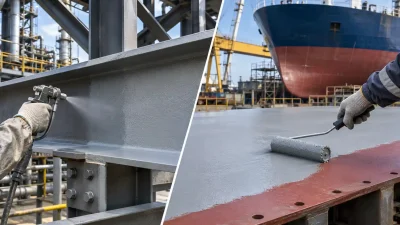
Both products can be applied by airless spray, conventional spray, brush or roller, as stated on their product pages. For Transosil Aluminium 515, the datasheet gives airless spray at 120 to 150 bar with a 0.38 to 0.43 mm nozzle, and conventional spray at 2 to 3 bar with a 1.5 to 2.0 mm nozzle. For Transolac Aluminium HR, thinning is not advised for airless spray, while 0 to 5% is allowed for the other methods.
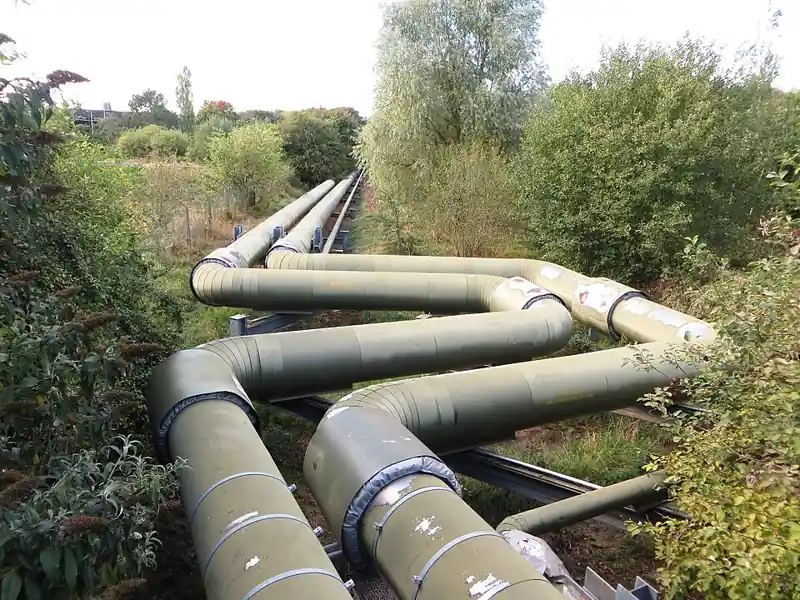
Step 4: Control the film thickness
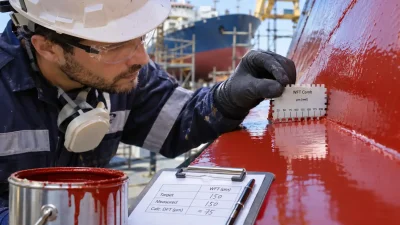
The recommended film is thin. Transosil Aluminium 515 lists 20 µm dry and 50 µm wet, and Transolac Aluminium HR lists 30 µm dry and 90 µm wet. Check the wet film with a comb gauge while you work. Read about measuring marine coating DFT and how wet film thickness predicts the dry film.
Step 5: Allow the cure
At 23°C, Transolac Aluminium HR is touch dry in about 2 hours and dry to handle in about 1 day. For silicone products, the Transosil Aluminium 515 page states that full curing requires additional heat curing under the maker’s conditions. Do not skip this. A silicone film that never gets its cure stays softer and weaker.
Common mistakes with heat resistant aluminium paint
These mistakes cause most early failures of heat resistant aluminium paint:
- Wrong rating. Using a 200°C product on a part that reaches a higher temperature.
- Using epoxy mastic on hot steel. A corrosion coating with no heat rating is not a heat coating.
- Film too thick. Heavy coats on hot steel can crack or flake. Stay near the recommended film.
- Skipping the heat cure. Silicone systems need the cure stated by the maker.
- Poor preparation. Paint over oil, salt or rust will not hold.
- Settled pigment. Not mixing the can gives uneven colour and film.
- Wrong thinner. Use only the thinner named on the data sheet.
How to choose heat resistant aluminium paint: buyer checklist
Before you place an order, collect these facts. They let the supplier match the right heat resistant aluminium paint to the job.
- The highest surface temperature, in °C, and how often it is reached.
- The substrate and its condition: new steel, blasted steel or an old coated surface.
- The area in square metres, so you can estimate the litres. For example, 20 m²/L is the theoretical spreading rate of Transosil Aluminium 515 at 20 µm; real use is higher because of losses.
- The application method and the site conditions.
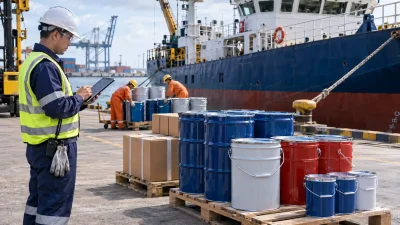
- The pack size you need. Transosil Aluminium 515 comes in 20 L, while Transolac Aluminium HR and Transosil Aluminium 516 come in 5 L.
Our TransOcean shop lists the full range with data sheets. For a deeper look at film thickness and system design, see the guides above.
Frequently asked questions
What is heat resistant aluminium paint?
Heat resistant aluminium paint is a silver coating made with aluminium flake in a binder that tolerates high temperatures, such as a silicone resin. It protects hot steel surfaces like exhausts, funnels and steam pipes while keeping an aluminium look. Always check the temperature rating on the product data sheet.
What temperature can heat resistant aluminium paint take?
It depends on the product. On our site, Transolac Aluminium HR (TO 5.11) is rated up to 200°C, and the silicone-based Transosil Aluminium 515 and 516 are rated up to 600°C. Measure the real surface temperature of the part first, then pick a product with a rating that covers it.
Can I use aluminium epoxy mastic on a hot exhaust?
No, not unless the data sheet states a heat rating. Aluminium epoxy mastic, such as Transpoxy Masterbond Alu (TO 4.66), is made for corrosion and water resistance on prepared steel, and its product page gives no heat rating. Use a silicone or heat-rated aluminium finish for hot surfaces.
How do you prepare steel for heat resistant aluminium paint?
Clean the steel and remove oil, salt, rust and old loose paint. For blast-cleaned steel, the Transolac Aluminium HR data sheet recommends Sa 2½ to ISO 8501-1:2007 with a 40 to 70 µm profile. The surface must be dry before you apply the first coat.
Does silicone aluminium paint need heat to cure?
Yes, in many cases. The product page of Transosil Aluminium 515 says full curing requires additional heat curing under the maker’s recommended conditions. Follow the data sheet for the temperature and time, and do not put a new coating into full service before the cure is complete.
How thick should heat resistant aluminium paint be?
Follow the data sheet. Transosil Aluminium 515 lists 20 µm dry (50 µm wet) and Transolac Aluminium HR lists 30 µm dry (90 µm wet) per coat. Do not apply much thicker than the maker advises, because heavy films on hot steel can crack or flake. Check the wet film while you spray.
Get a quote for heat resistant aluminium paint
Need heat resistant aluminium paint for a funnel, exhaust or steam line? Review Transosil Aluminium 515 (up to 600°C) and request a quote on its page. Tell us the surface temperature, the area and the site, and we will help you match the right product and data sheet. You can also see the full TransOcean paint range or contact our team.