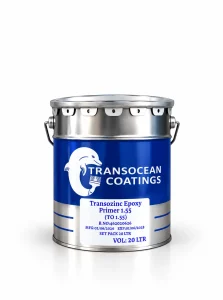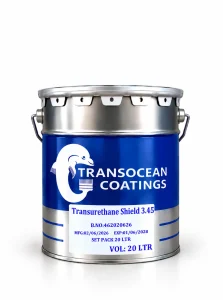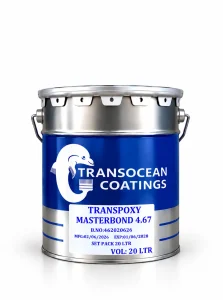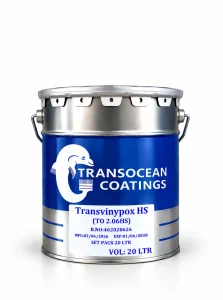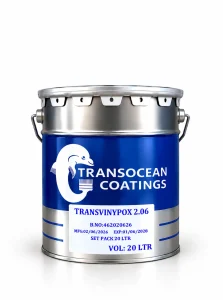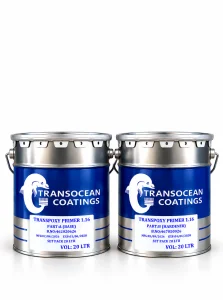



A ship hull sits in one of the most corrosive places on Earth. Seawater attacks steel all day, and every scratch in the paint is a possible start for rust. Owners often ask whether paint alone is enough, or whether anodes are needed too.
This guide explains cathodic protection vs coatings in plain terms. You will see what each system does, how they work together, where they clash and what to check at dry dock.
Cathodic protection vs coatings: what each system does
Cathodic protection vs coatings is not a contest. They are two layers of one defence. The coating keeps seawater away from the steel. Cathodic protection protects the steel wherever the coating fails.
What marine coatings do
A marine coating is a barrier. Primer, build coats and topcoat keep water, oxygen and salts off the steel. A healthy film can protect a hull for years. Our guide to anti-corrosion marine coatings explains the layers in detail.
But no film is perfect. Pinholes, scratches, weld edges and mechanical damage all expose bare steel. Those small areas are where corrosion starts.
What cathodic protection does
Cathodic protection makes the steel the cathode of a corrosion cell. The corrosion then happens on something else, not on the hull. It works only when the steel is immersed in an electrolyte, so it cannot protect decks or topsides. You can read the basic theory in this overview of cathodic protection.
The idea is simple but the design is not. A corrosion engineer sizes the system for the hull area, the bare steel expected over the docking cycle, the seawater conditions and the coating quality. Ships use two types:
- Sacrificial anodes ship hull systems: zinc or aluminium alloy blocks that corrode instead of the steel.
- Impressed current cathodic protection (ICCP): a power supply, inert anodes and reference electrodes that deliver a controlled current.
7 facts about cathodic protection vs coatings
These seven facts sum up cathodic protection vs coatings for ship hulls. Always follow the design of your own vessel, class rules and the paint maker’s data sheet.
1. The coating reduces the work for cathodic protection
Cathodic protection vs coatings starts with this basic rule. In practice, paint is the first line of defence. The less bare steel there is, the less current the anodes must supply. A good coating lets a small anode system do the job.
Without a coating, the anode system would need to be much larger. The anodes would also be used up far faster.
2. Cathodic protection only works underwater
Cathodic protection vs coatings also splits the work by location. Cathodic protection acts only on immersed steel. Above the waterline, in the splash zone and inside dry spaces, only the coating protects the steel.
For the full picture of where rust starts on a ship, see our guide to ship corrosion and prevention methods.
3. Anodes cover coating damage
Every coating ages. Rough handling, dock blocks, anchor chains and fouling removal all damage the film. Cathodic protection covers these small defects, so a scratch does not turn into deep pitting before the next dry dock.
This is the main reason hull corrosion protection uses both systems together.
4. Cathodic disbondment is a real risk
Cathodic protection vs coatings is not always harmonious, because cathodic protection can also harm a coating. At a damaged spot, the protective current creates an alkaline layer and hydrogen at the steel surface. This can break the bond and lift the film around the defect. The effect is called cathodic disbondment.
It gets worse when the potential is too negative. That is why underwater coatings must be alkali-resistant, and why ICCP needs reference electrodes and control.
5. The coating must suit cathodic protection
Not every paint suits a hull with cathodic protection, so cathodic protection vs coatings must be planned together. Underwater primers and build coats are usually epoxy-based because epoxy resists alkali and water. Check the data sheet for suitability with cathodic protection before you choose a system. Our guide to marine primers and anti-corrosive coatings covers the primer layer.

6. ICCP anodes need a dielectric shield
In cathodic protection vs coatings design, impressed current anodes create a strong electric field close to the anode. Designers therefore apply a thick, resistant dielectric shield around each ICCP anode. Without it, the coating nearby would fail early.
The shield is part of the cathodic protection design. Do not repair it with ordinary hull paint.
7. Never paint over sacrificial anodes
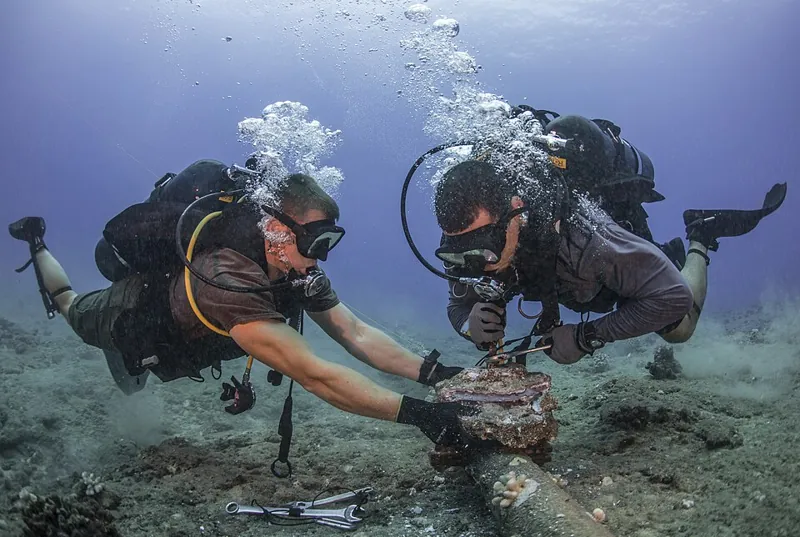
Sacrificial anodes only work with a clean metal surface. If paint covers them, they stop supplying current. Mask the anodes before painting the hull, and uncover them before the ship leaves the dock.
Antifouling then goes on the hull around the anodes, never on them. See our guide to antifouling paint types for the outer layer of the system.
Sacrificial anodes or ICCP: which system fits your ship?
When owners compare cathodic protection vs coatings, they often skip a second question: which type of cathodic protection fits the ship? The answer depends on size, trade and docking plans.
- Sacrificial anodes: simple, no power supply and no control system. They suit smaller vessels, rudders, sea chests and other local areas. They must be replaced when spent.
- ICCP: a controlled system with a longer life between dockings. It suits large hulls and long voyages. It needs power, monitoring and trained crew.
- Combined use: many ships use ICCP for the main hull and sacrificial anodes for the propeller area and sea chests.
Whichever type you choose, the coating comes first. A cathodic protection vs coatings plan should be written as one specification, so the paint maker and the corrosion engineer agree on the same targets.
Do ships need both cathodic protection and coatings?
For a ship in service, the answer to cathodic protection vs coatings is both. The underwater hull needs a coating system and cathodic protection. The coating provides the barrier, and the cathodic protection backs it up at the weak points.
The rest of the ship is different. Decks, topsides and superstructure rely on coatings alone. Ballast tanks also rely mainly on coatings; anodes may be fitted as an extra, depending on class and the specification.
A simple comparison helps:
- Coating only: low cost at first, but damaged spots corrode fast.
- Cathodic protection only: heavy current demand, fouling and roughness remain unsolved.
- Coating and cathodic protection: the coating lowers current demand, and the anodes cover the damage.
Checking cathodic protection and coatings at dry dock
Dry dock is the best time to review cathodic protection vs coatings together. A good routine looks like this:
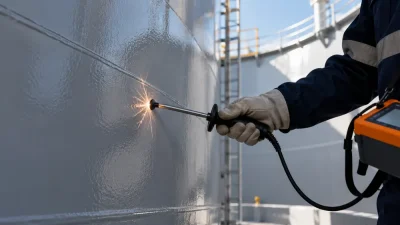
- Inspect the coating for damage, blisters and rust breakthrough.
- Measure how much of each anode is left, and replace spent ones.
- Test ICCP rectifiers, anodes and reference electrodes.
- Repair the coating and the anode shields to the specification.
- Keep anodes unpainted and record all readings.
Good records make the next docking easier. Note the anode weight or size at fitting and at removal, the ICCP current and potential readings, and the areas where the paint failed. Over time these records show whether the design suits the trade of the ship, or whether the specification needs a change.
Many hull failures start when one system is neglected. Our article on marine coating failures shows what happens when damage is ignored.
Frequently asked questions
Do ships need both cathodic protection and coatings?
Yes, for the underwater hull. The coating is the main barrier and keeps the current demand low. Cathodic protection guards the steel where the coating is scratched, worn or damaged. Above the waterline, only coatings work, because cathodic protection needs an electrolyte such as seawater.
What is the difference between sacrificial anodes and ICCP?
Sacrificial anodes are blocks of zinc or aluminium alloy that corrode instead of the steel, with no power supply. Impressed current cathodic protection uses a power source, inert anodes and reference electrodes to supply a controlled current. ICCP is common on large ships; anodes suit smaller vessels and local areas.
Can cathodic protection replace marine coatings?
In practice, no. A bare hull would need a very large current, and the anodes would be used up quickly. Coatings also protect the hull against fouling, roughness and atmospheric corrosion, which cathodic protection cannot do. The two systems are designed to work together.
What is cathodic disbondment?
Cathodic disbondment is the loss of coating adhesion around a damaged spot on a protected structure. The protective current creates an alkaline, hydrogen-rich layer at the steel surface that pushes the film off. Alkali-resistant coatings and correct potential control reduce the risk.
Should sacrificial anodes be painted?
No. Paint on the anode surface blocks the current and stops it working. Mask the anodes before painting the hull, and check that they are clean and free of coating when the ship leaves dry dock. Follow the anode supplier and the cathodic protection design for details.
How often should anodes and hull coatings be checked?
Check them at every dry-docking and during underwater inspections, in line with class rules and the owner’s plan. Inspectors measure anode wastage, test ICCP equipment and review coating damage. Replace spent anodes and repair damaged coating before the ship returns to service.
Need help with hull corrosion protection?
Planning a hull repair or a new coating specification? Contact our team for advice on a TransOcean coating system that works with your cathodic protection design. You can also download product data sheets to check immersion and CP suitability.