


The importance of paints is easy to underestimate because the coating is the thinnest part of a ship. In reality, it is the layer that stands between steel and seawater every day. Marine paint protects hulls, decks, tanks and equipment, keeps vessels safe and visible, and decides how often a ship has to return to the yard for repairs.
If you are new to the subject, our introduction to marine paint and ship paints explains the basic types first. This guide explains the importance of paints job by job and shows how to think about it as a complete system. It also covers colour, branding and environmental rules, and how Bahari-Tech supports owners and shipyards in the UAE and Oman.
The Importance of Paints at a Glance: 7 Benefits
A ship in service is exposed to salt water, humid air, strong sunlight, cargo and constant movement. The importance of paints is clearest when you see that a good coating system has to answer all of these at once. The main benefits are:
- Corrosion protection: a barrier that keeps water and oxygen away from the steel.
- Antifouling: a hull that stays smooth instead of collecting barnacles and algae.
- Safety: clear colours, markings and non-slip surfaces for the crew.
- Lower maintenance cost: fewer repairs, shorter yard stays and longer intervals between recoats.
- Fuel efficiency: a clean, smooth hull needs less power to move.
- Regulatory compliance: coatings that meet international rules for tanks and antifouling.
- Appearance and branding: a well-kept ship that shows the owner’s identity.
The Importance of Paints for Corrosion Protection
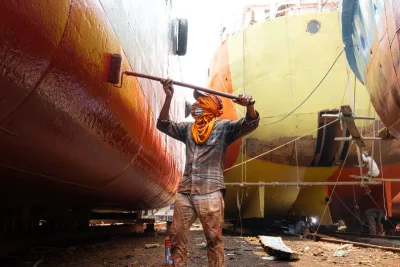
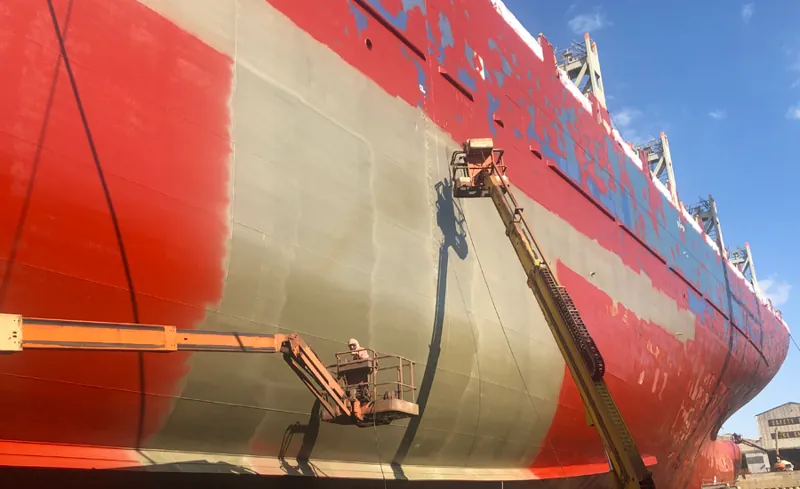
Steel and seawater are a poor match. Salt water conducts electricity, and humid, salty air keeps the surface wet, so unprotected steel rusts quickly. You can read the general science in this overview of corrosion. Paint is the first and cheapest defence against it.
How the coating stops rust
Most protective coatings work in one of two ways. Barrier coatings, such as epoxies, form a dense film that keeps water and oxygen away from the metal. Zinc-rich primers add a second line of defence because the zinc sacrifices itself to protect the steel where the film is damaged. Our guide to marine primers and anti-corrosive coatings explains how the two approaches are combined.
Surface preparation decides the result
Even the best paint fails on a dirty or rusty surface. Blasting, cleaning and checking the surface before the first coat is as important as the paint itself. Read more in the importance of surface preparation in coating projects.
Tanks need special linings
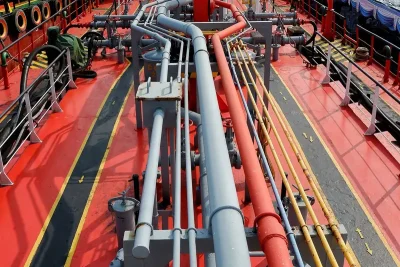
Ballast and cargo tanks are some of the harshest places on a ship. They stay wet or hold chemicals, and they are hard to reach for repairs. For this reason, tank coatings are chosen for the specific service and applied under strict control. See our guides to ballast tank coatings and types of tank paints.
Marine Paint and Biofouling: Keeping the Hull Smooth
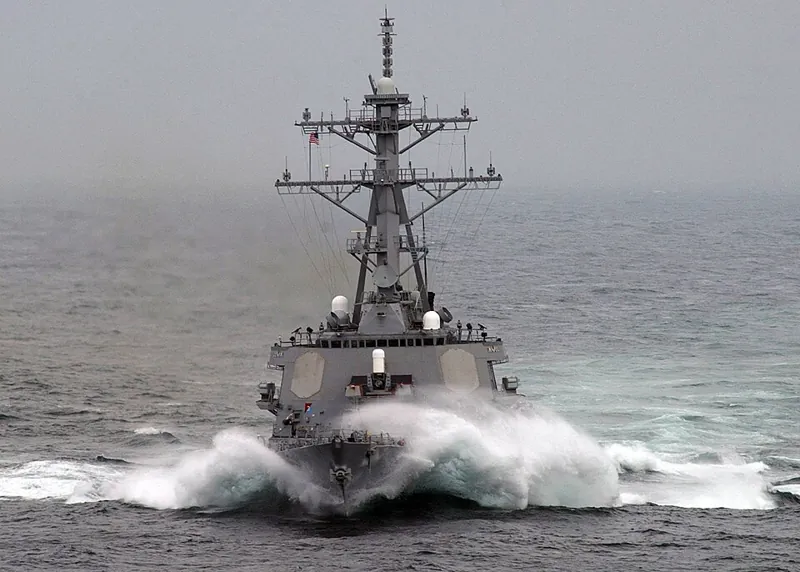
Below the waterline, the problem is not only rust. Barnacles, algae and slime attach to the hull in a process called biofouling. A rough hull creates extra drag, so the engine has to work harder to hold the same speed. Here the importance of paints is about drag and fuel use, not only rust. Antifouling coatings reduce this by releasing a controlled agent or by giving organisms a surface they struggle to hold on to.
Antifouling is also regulated. The international convention on harmful antifouling systems bans organotin compounds such as TBT on ships, so every coating choice has to comply. Our article on the IMO AFS Convention explains the rules, and antifouling paint types compares the main technologies.
The Importance of Paints Colour for Safety
Colour is one of the oldest safety tools on a ship. Using the right colours on equipment, decks and hull markings gives crew and other vessels a quick visual message: Slip resistance matters on decks as well; see anti-slip coating options for ship decks.
- Red is widely used for fire-fighting equipment and prohibition signs, and yellow for hazards and warnings.
- Green marks safe conditions and escape routes, and blue marks mandatory actions. These meanings follow the common safety colour convention in ISO 3864.
- Bright, high-visibility colours help crews find life-saving equipment and see hazards at night or in poor weather.
- Painted load line and draught marks use colours that contrast with the hull so they can be read from a distance.
Colour also has a technical side. Light topcoats absorb less solar heat than dark ones, which matters on hot decks in the Gulf. Light-coloured tank coatings make it easier for inspectors to spot rust and damaged areas. Non-slip deck coatings add grip where crews work in wet conditions.
How Marine Paint Reduces Maintenance and Operating Costs
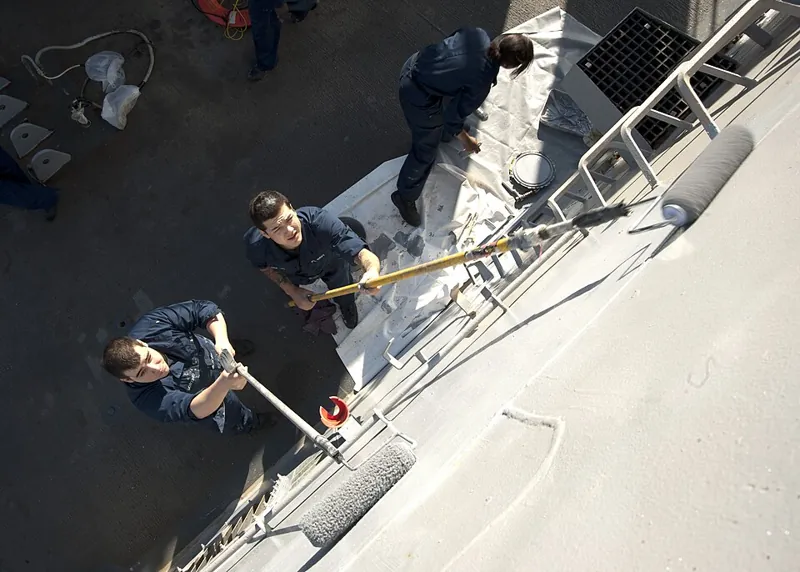
A coating is a maintenance decision as much as a technical one, and the importance of paints follows from that. Steel renewal, unplanned repairs and extra time in dry dock are far more expensive than a well-applied coating system. The importance of paints shows up most clearly in the total cost over the life of the vessel, not in the price per litre.
Three habits keep that cost down:
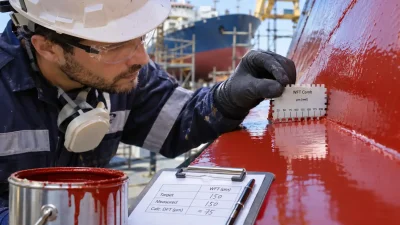
- Apply the specified film thickness. Too little leaves weak spots, and too much can crack. Our guide to dry film thickness explains how it is measured.
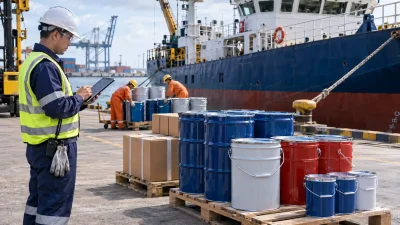
- Plan quantities properly. Knowing the area, losses and film thickness avoids shortages on the job. See marine paint consumption.
- Learn from failures. Most early breakdowns trace back to surface preparation, thin film or poor curing conditions. Our article on marine coating failures shows the common causes.
Marine Paint Works as a System, Not a Single Coat
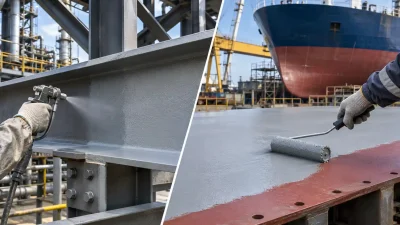
No single coat does every job, and the importance of paints lies in how the layers work together. Marine protection comes from layers that each play a part, applied in the right order and within their overcoating times. A simple view of a typical system looks like this:
| Layer | Main job | Typical product type |
|---|---|---|
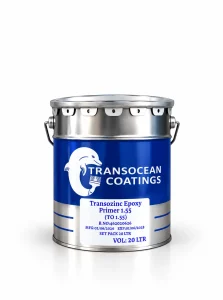
| Primer | Bonds to the prepared steel and gives the first corrosion protection | Epoxy or zinc-rich primer |
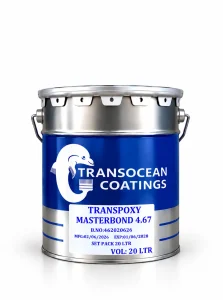
| Intermediate (build) coat | Adds film thickness and a barrier against water and salt | High-build epoxy |
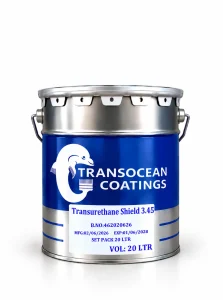
| Topcoat | Resists sunlight, weather and abrasion and sets the colour and gloss | Polyurethane or similar finish |
| Antifouling | Keeps marine growth off the underwater hull | Antifouling paint below the waterline |
Each manufacturer sets the exact products, thicknesses and drying times in its technical data sheet, and the owner’s coating specification ties them together for a project. For the full picture, read our guide to the marine coating system. For the finishing layer, see marine topcoats and finishes and epoxy vs polyurethane.
Ship Aesthetics and Branding
The importance of paints is not only technical, because paint is also the most visible part of a company’s identity at sea. Shipping lines use hull colours, funnel markings and logos to make their vessels recognisable in ports and shipping lanes. A clean, well-maintained finish tells customers and port authorities that the vessel is cared for.
Appearance and protection work together. A faded or chalking topcoat is often the first sign that the film is ageing, and a timely recoat protects the steel while also restoring the look of the ship.
Colour and the Working Environment
Colour also affects the spaces where crews live and work. Light, clear colours in cabins and on the bridge make rooms feel brighter, and colour coding of pipes and equipment helps people separate systems at a glance. These choices support good housekeeping and safe working habits, although they never replace proper procedures and training.
Innovation and Environmental Rules in Marine Paints
The importance of paints keeps growing as the marine industry raises the bar for coatings. Owners now expect longer service life, lower solvent content and better fouling control. Typical areas of development include:
- High-solids and low-VOC formulations that reduce solvent emissions during application.
- Foul-release and self-polishing antifouling coatings for smoother hulls.
- Faster-curing epoxies that shorten the time a ship spends in the yard.
- Tank linings designed to meet international performance standards for ballast tanks.
Whatever the technology, always check claims against the product data sheet and ask for technical support before choosing a new product.
Marine Paint Support in the UAE and Oman
The importance of paints is even greater in the Gulf, which is a demanding place to coat a ship. High temperatures, humidity and salt all affect how paint dries and how long it lasts. Bahari-Tech supplies TransOcean marine and industrial paints in the UAE and Oman, including for ship repair at Duqm. You can browse the TransOcean paint range, read about marine coating supply in the UAE or learn about ship repair coatings at Duqm.
When planning a coating job, send us the vessel type, the area to be painted and the exposure. We can then suggest a suitable system and point you to the right data sheets.
Frequently Asked Questions
Why is marine paint important for ships?
The importance of paints is that they protect steel from corrosion, keep marine growth off the hull, make decks and equipment visible and safer, and cut maintenance costs. Without a working coating system, seawater, salt and sunlight damage a vessel quickly, and repairs become more frequent and more expensive.
What does marine paint protect a ship from?
It protects against corrosion from seawater and salt-laden air, ultraviolet damage from sunlight, abrasion from cargo, ropes and weather, and fouling by barnacles, algae and slime. Specialised linings also protect ballast and cargo tanks from the liquids they carry.
How often should a ship be repainted?
There is no single interval. It depends on the coating system, the film thickness applied, the trading pattern and the dry-docking cycle. Hull antifouling is usually renewed at dry-docking, while topside and deck coatings are inspected regularly and touched up when the film starts to break down.
Is marine paint different from normal paint?
Yes. Marine paints are formulated for constant water contact, salt, high humidity and strong sunlight. They are usually applied as a multi-coat system of primer, intermediate coat and topcoat, with film thickness set by a specification. Household paint would fail quickly in these conditions.
What is antifouling paint and why does it matter?
Antifouling paint is applied below the waterline to stop barnacles, algae and other organisms settling on the hull. A fouled hull creates extra drag, so the ship burns more fuel to hold speed. Antifouling coatings are also regulated internationally, so the product choice matters.
Does the colour of marine paint matter?
It does. Colour is used for safety marking, visibility, identification and branding. Light topcoats also absorb less solar heat, and light-coloured tank coatings make inspection easier. Colour never replaces the protective job of the coating beneath it, which is set by the system and its film thickness.
How do I choose the right marine paint?
Start with the surface and the service: hull, deck, superstructure, ballast tank or cargo tank. Then check the product data sheet, the specification and the surface preparation requirements. Match the whole coating system to the exposure, and ask a supplier for technical advice before you buy.
Summary
The importance of paints comes down to protection, safety and cost. It stops corrosion, keeps the hull smooth, makes ships safer to operate and reduces the money spent on repairs. Treat it as a complete system, apply it to specification and match it to the way the vessel is used.
Need advice on a marine coating project? Contact the Bahari-Tech team for help choosing a system, or download product data sheets to compare products.